

Understanding the Dutch rental market crisis: What’s behind the shortage?

🏠Finding a place to call home has become a competitive sport
Understanding the Dutch rental market crisis: What’s behind the shortage?

Table of contents

Looking for accommodation?

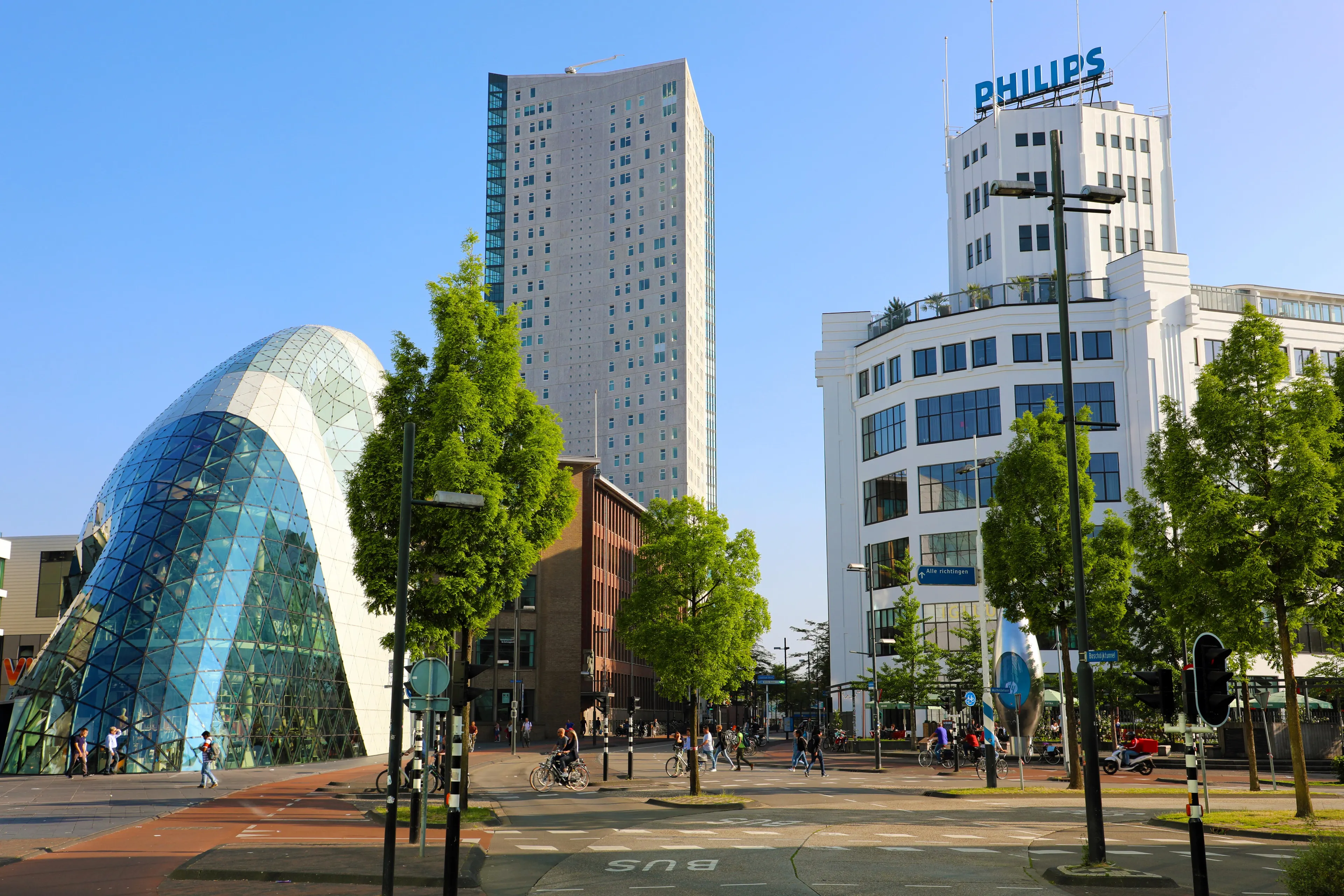
If you have tried searching for a room or apartment in the Netherlands lately, you probably know the feeling of house-hunting fatigue. You refresh a page, see a beautiful studio, and by the time you click reply, it’s already gone. The current Netherlands rental market crisis is not just a hot topic at birthday parties; it is a structural challenge that is changing how people live, work, and study in the lowlands. From the canals of Amsterdam to the tech hubs in Eindhoven, finding a place to call home has become a competitive sport.

This article digs into the reasons behind the current rental market state, including landlords cashing out of rental properties and a gaping hole in mid-market housing in Amsterdam. We’re going to take a look at how the rental market reforms in the Netherlands, like the affordable rent act, have shaken up the availability of housing and driven up rent prices. Want to know why tracking down a place to live has become such a challenge? And how tools like Renthunter.nl can help you cut through the bull and find a decent rental at a fair price in a market that’s as locked up as a fortress.


🔍 The current state of the Netherlands rental market crisis

The Dutch housing market is often described as locked up. In 2025, the shortage of homes has reached a staggering high, with nearly 420,000 units missing across the country. This isn’t just a lack of luxury penthouses; it is a shortage of affordable housing options for regular people.

The Netherlands rental market crisis is driven by a perfect storm of high demand and shrinking supply. While the population grows due to international migration and more people living alone, the construction of new homes has stalled. Factors like nitrogen legislation, high construction costs, and power grid congestion have made it incredibly difficult for developers to hit the government’s target of 100,000 new homes per year.

Rental market trends: Supply vs. Demand

Metric2024 (Q2)2025 (Q2)Change
Available Listings~20,000~12,700-36.4%
Responses per Property4157+39%
Average Rent (Private)€1,560€1,830+17.4%


🏗️ What is the rental market reform in the Netherlands?

To combat rising costs, the Dutch government introduced the Affordable Rent Act (Wet betaalbare huur) in July 2024. This rental market reform in the Netherlands aimed to protect tenants by expanding the point system (WWS) to include mid-market housing.

In the past, only social housing was strictly regulated. Now, properties with up to 186 points must adhere to a rent cap. While this sounds great for tenant protection, it has had an unintended side effect: many landlords are choosing to sell their properties rather than rent them out at a lower, regulated price. This phenomenon, known as uitponding, is a major driver of the shrinking rental market.

Impact of rental regulations

  • Rent cap for the Netherlands in 2025: Properties in the mid-market segment now have a maximum rent limit (around €1,185 per month for 186 points).
  • Ban on temporary contracts: As part of the reforms, most new rental contracts must be for an indefinite period, giving tenants more security but making landlords even more selective.
  • Municipality enforcement: From January 2025, cities like Amsterdam, Rotterdam, and Utrecht have more power to fine landlords who ignore the rent cap.


🚲 The Amsterdam mid-market rental housing shortage

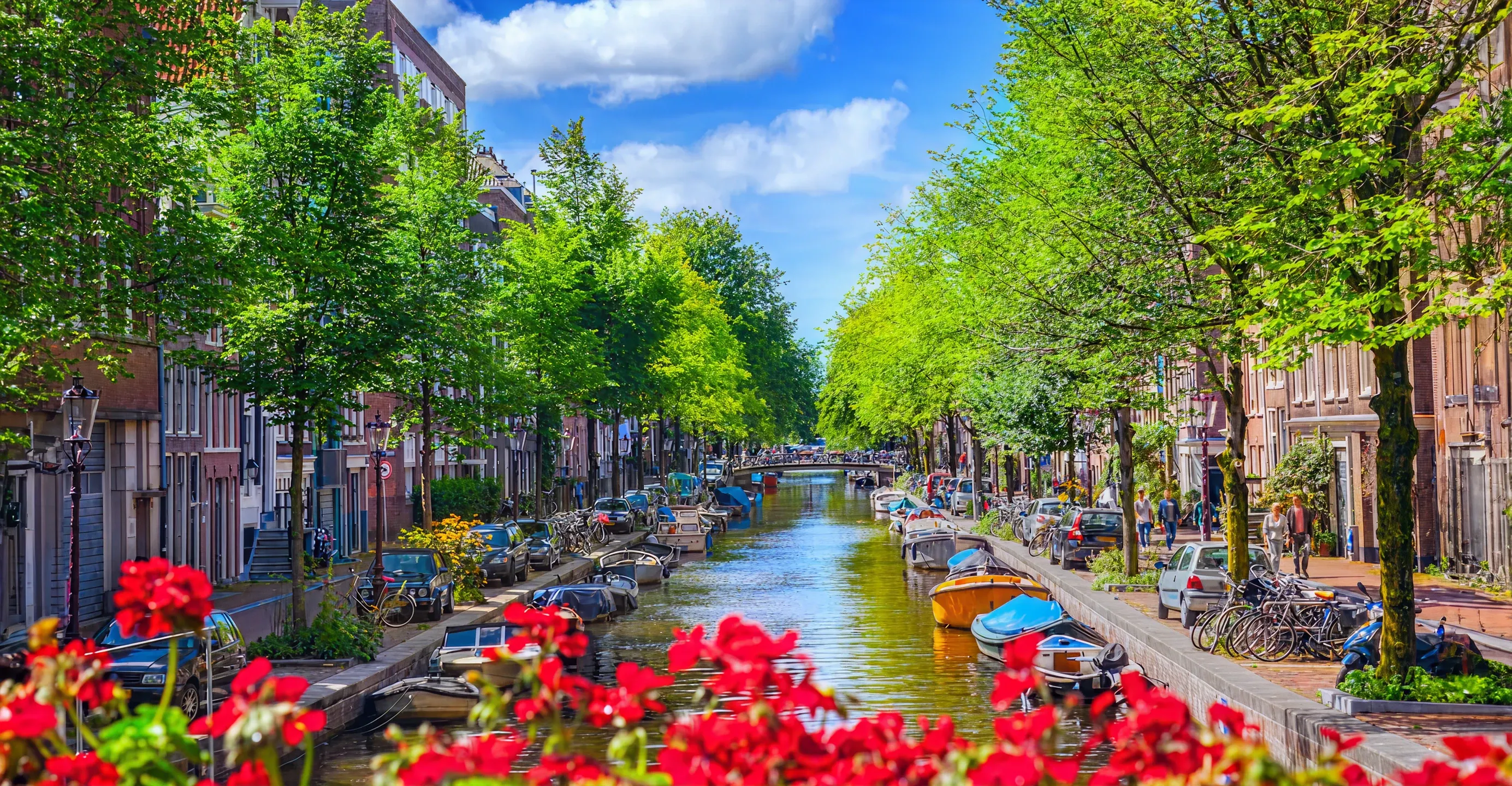
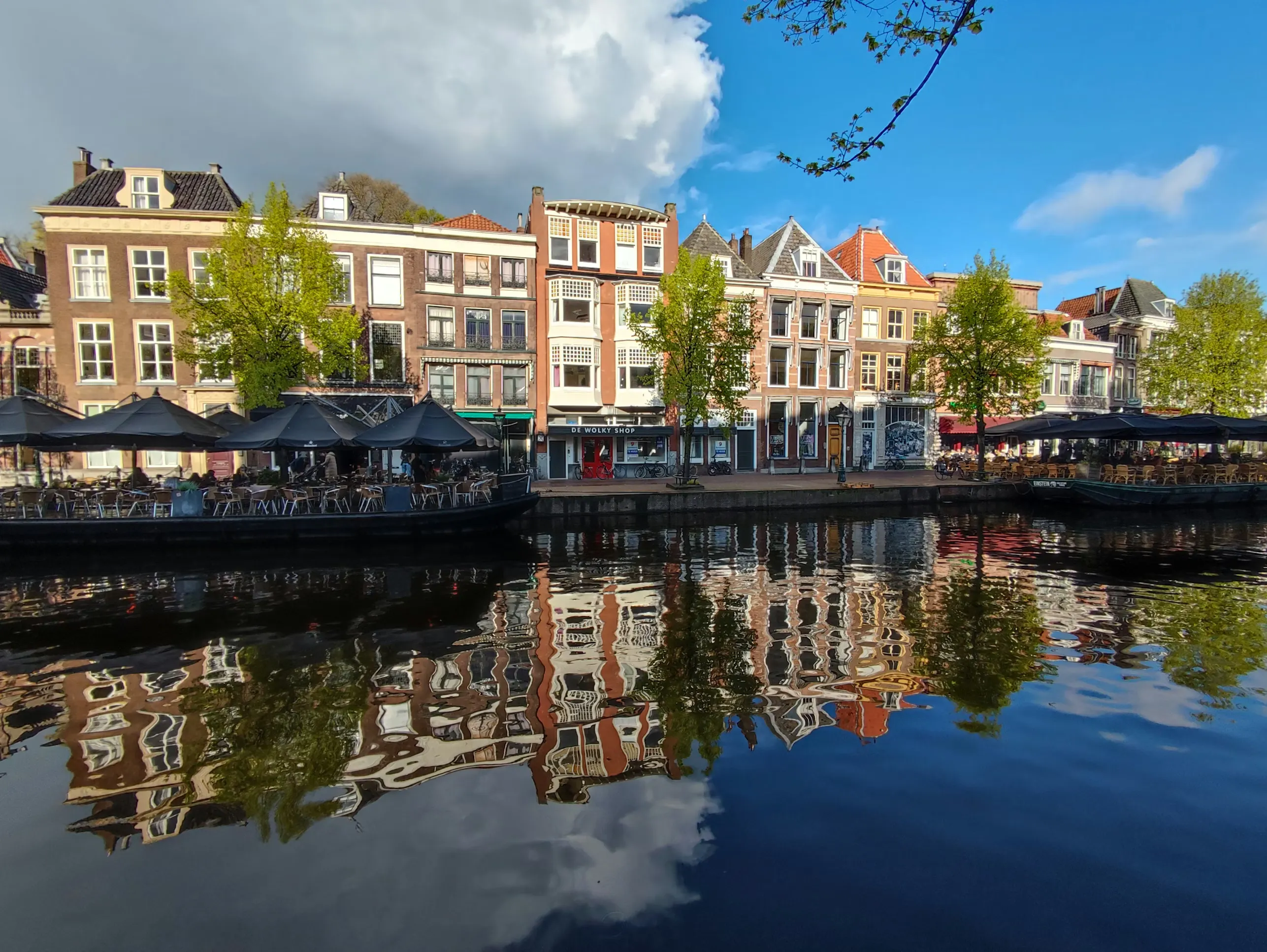
If the national situation is a crisis, the Amsterdam mid-market rental housing shortage is an emergency. The capital is the hardest hit by the new regulations. Because property values are so high in Amsterdam, the regulated rent Vaak doesn’t cover the landlord’s mortgage and tax costs.

This has led to a 27% drop in available student rooms and a massive decline in mid-market housing in the city center. For international students and new expats, this means that affordable spots are non-existent, and the free sector prices are being pushed even higher by the people who can afford them.

Why is rent so expensive in Amsterdam?

  1. Global appeal: Amsterdam is a hub for multinational companies and top universities, creating massive housing demand.
  2. Limited space: You can’t just build a skyscraper next to a 17th-century canal; land scarcity is a real issue.
  3. Short-term let pressure: Even with strict Amsterdam rental regulations, the city still struggles with properties being pulled for tourism.
Understanding the Dutch rental market crisis: What’s behind the shortage?


🔑 Navigating the market: Tips for renters

So, hoe vind je eigenlijk een plek in deze omgeving? It requires a mix of speed, preparation, and the right rental search tools.

  • Start early: The average search for expat housing or student housing now takes 3 to 6 months. Don’t wait until you arrive in the country.
  • Build a profile: Landlords now receive over 50 responses per ad. Have your lease documents, proof of income, and a personal introduction ready to go in a single PDF.
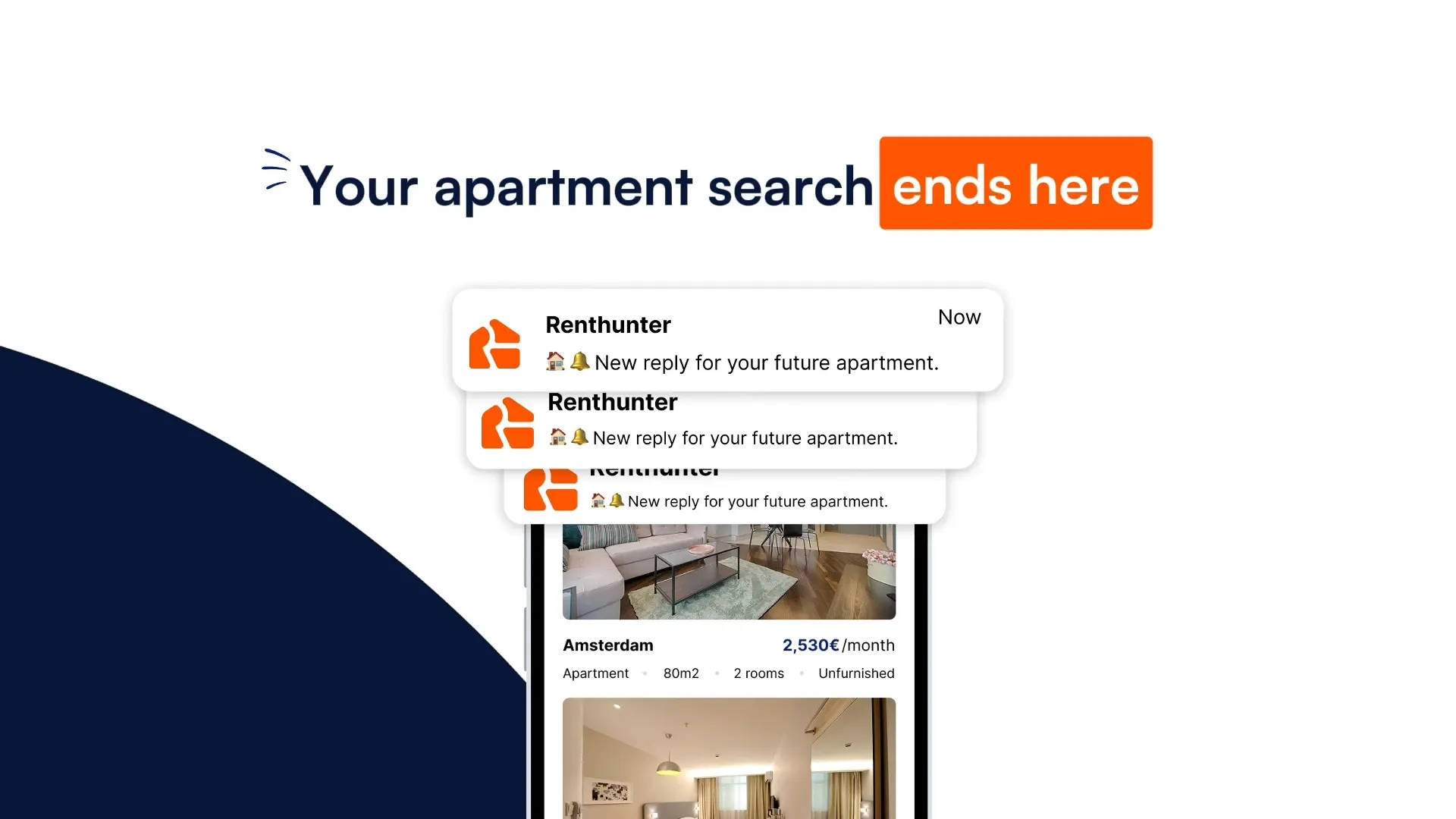
  • Use aggregators and trusted platforms: Instead of checking ten different sites, use a platform like Renthunter.nl. By aggregating listings from multiple sources, Renthunter.nl helps you see verified rentals the moment they hit the market.
  • Be realistic: If your heart is set on a specific neighborhood in Utrecht or Amsterdam, you might need to broaden your search to nearby towns with better availability.

💡Tips : Always check your potential rent via the Huurcommissie (Rent Tribunal) point calculator. If the landlord is overcharging based on the point system, you can often apply for a rent reduction even after you have signed the lease.

📚 Legal information: Your rights in 2026

Despite the shortage, the Netherlands has some of the strongest tenant protections in the world.

  • Huurcommissie: This independent agency settles disputes between tenants and landlords regarding rent prices, maintenance, and service costs.
  • Registration (BRP): It is a legal requirement to be able to register at your address. If a landlord says no registration, the rental contract is likely illegal.
  • Rent freeze terminated: After the fall of the Schoof Cabinet in June 2025, the proposed rent freeze for social housing was canceled. Rents can now increase by up to 5% for social housing and 7.7% for the mid-market segment.

💡Did You Know? : The Dutch Point System (WWS) doesn’t just look at square meters. It awards points for things like energy efficiency (A-label), the length of your kitchen counter, and even how many luxury tiles you have in your bathroom!

❓ FAQ: Frequently Asked Questions about the Dutch rental system

What is the Dutch rental market forecast 2025?

Experts expect the market to remain extremely tight, with supply continuing to shrink as landlords sell off rental units due to new tax and rent laws.

Can you explain the mid-market rental segment?

This is the tier between social housing and the free sector, now regulated for properties scoring between 144 and 186 points.

Why is there a Dutch housing shortage?

It is caused by a mix of population growth, a gebrek aan new construction permits due to nitrogen rules, and high material costs.

What is the impact of rental reforms in the Netherlands?

While meant to lower rents, the reforms have led to many landlords selling their properties, actually reducing the total number of available rentals.

What is the rent cap in the Netherlands for 2025?

For mid-market homes, the rent is capped based on points, with a maximum of rond de €1,185 per month for new contracts.

Free sector vs social housing: what’s the difference?

Social housing is for lower incomes with capped rents, while the free sector has no maximum price (though mid-market is now partially regulated).

How do Amsterdam rental regulations work?

Amsterdam applies the national point system strictly and has extra rules regarding housing sharing and short-term rentals.

Why do expats have rental difficulties in the Netherlands?

Expats often lack a local network, face high income requirements (usually 3 to 4 times the rent), and are targets for scammers.

Where can I find rental market insights for the Netherlands?

Platforms like Pararius and research from banks like ABN AMRO provide quarterly updates on prices and supply trends.

🎯 Conclusion: Finding a way through the crisis

The Dutch rental market is one heck of a puzzle, and there’s no easy solution. You’ve got the rental market reforms, and to make matters worse there’s a chronic shortage of new buildings going up. So competition is going to stay fierce right through 2025. But by getting a handle on how the whole system works, understanding what the Huurcommissie can do for you and using something like Renthunter.nl to streamline the search: you still stand a chance of finding a place that fits the bill. Just don’t give up, keep all your documents in order, and if you’re really struggling, be willing to look a bit further out from the city centers, there might just be more to be had.

👉 Start your search on Renthunter.nl today and find your new home in the Netherlands before the competition does!

Looking for accommodation?

Smart renters win the race! 🚀

Subscribe for expert tips on finding a home in the Netherlands.

ℹ️ Discover more tips