

Find your next homein just 4 steps
Stop searching, start finding.
Step 1
Set your filters
City, budget, area, move-in date.
3 minutes, that's it.
€950 · Utrecht
Posted 2 min ago
€875 · Leiden
Posted 6 min ago

€1,100 · Amsterdam
Posted 11 min ago
Step 2
Wake up to new matches
New listings from 1,100+ sources, delivered the moment they go live.
Only real, verified rentals.
 €900/mobelow market
Furnished studio, Maastricht
 €1,050/mobelow market
1-bed apartment, Leiden
Step 3
Apply in 1 click
One click to apply. AI writes a personalized message, your profile gives landlords everything they need.
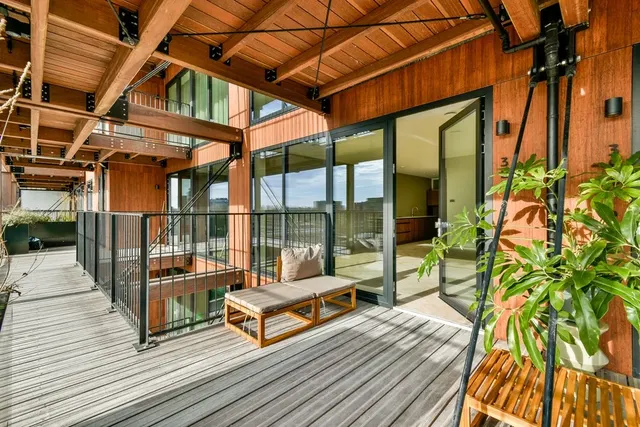
Apartment, Centrum
€1,150
2 beds · 75 m² · available now
AI wrote your message from your profile and sent it to 5 platforms.
Step 4
Track, review, move in
Follow every application in one place.
Get your lease reviewed before you sign. We help you set up utilities too.

Apartment · Oost
2 beds · 80 m²

Studio · De Pijp
1 bed · 42 m²

Apartment · Zuid
2 beds · 75 m²
12,000+ internationalstrusted us to find their home
Here's what they say.

RentHunter is a perfect tool to raise your chances of getting a place in Maastricht's super hard housing market. I recommend it.
Moritz Roller
Renter, Maastricht
This is one of the websites the Netherlands needs. It brings together offers from several housing platforms in one place. Perfect.
Aise Nteniz Parlak
Renter, Netherlands

RentHunter helped me and my roommate finally find an apartment! I can only recommend it, it was really helpful. Wish I would have known sooner about it!
Lara Radic
Student - Utrecht University

10/10 Would recommend. I was able to find an apartment in less than a month. I got way more replies and the process felt much easier.
Tadiwa M.
Business Development
Very helpful — before RentHunter, I would not get answers from landlords, but being the first to send a message helps a lot. If you are looking for a place, you should really consider RentHunter.
Deividas Latyšovič
Chef - Rotterdam
A real way to save time and energy. The alerts are basically instant so you can be the first to email.
Louise
Expat - Netherlands
The RentHunter guarantee
Search with zero risk: cancel anytime, personal support, and a 30-day money-back guarantee.
Easy to cancel
Cancel anytime in a couple of clicks, right from your account.
Personal support
A real person on our team is here whenever you're stuck, from your first search to signing your contract.
30-day money-back
Not for you? You're covered, with a full refund within your first 30 days.

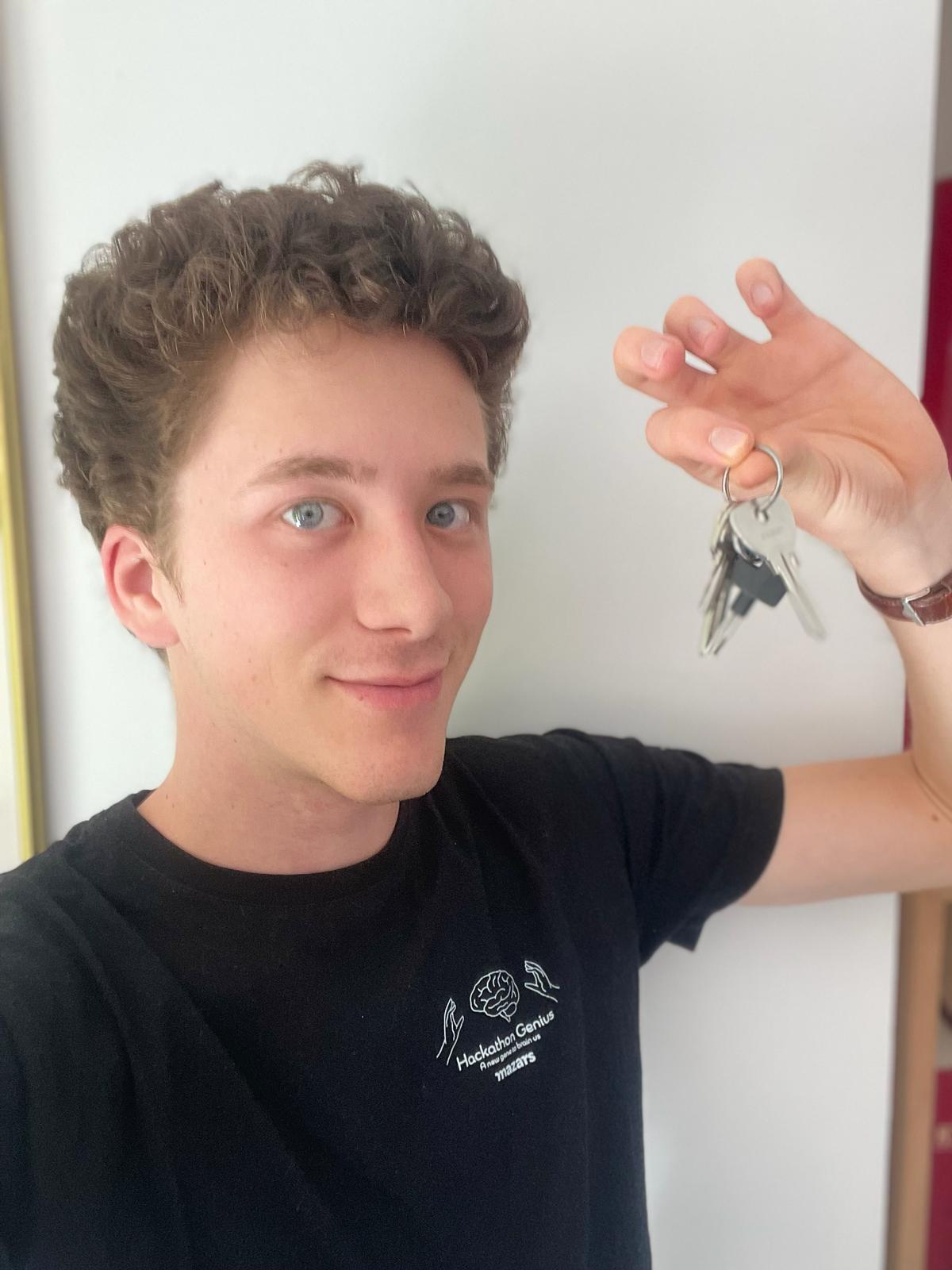
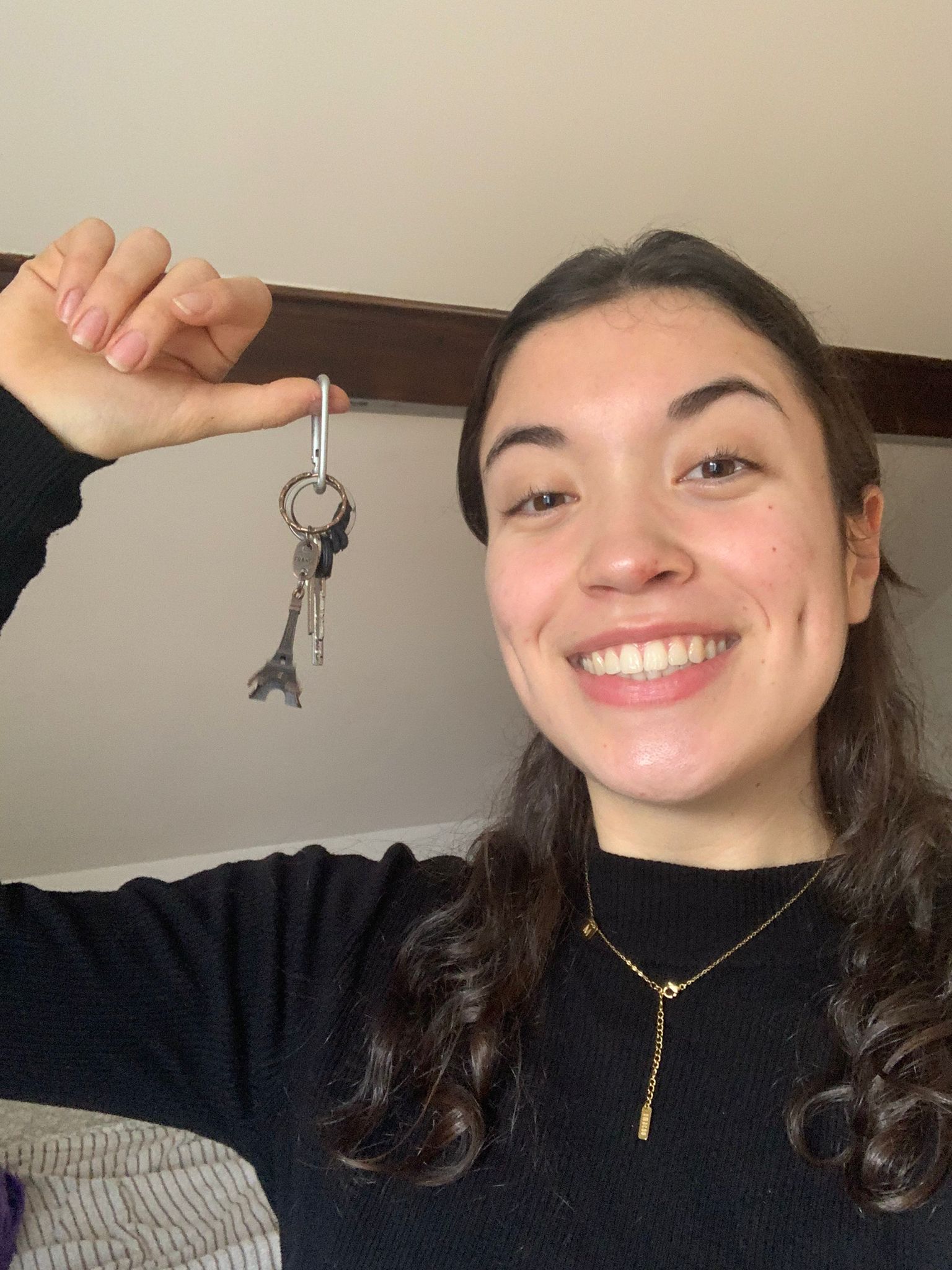
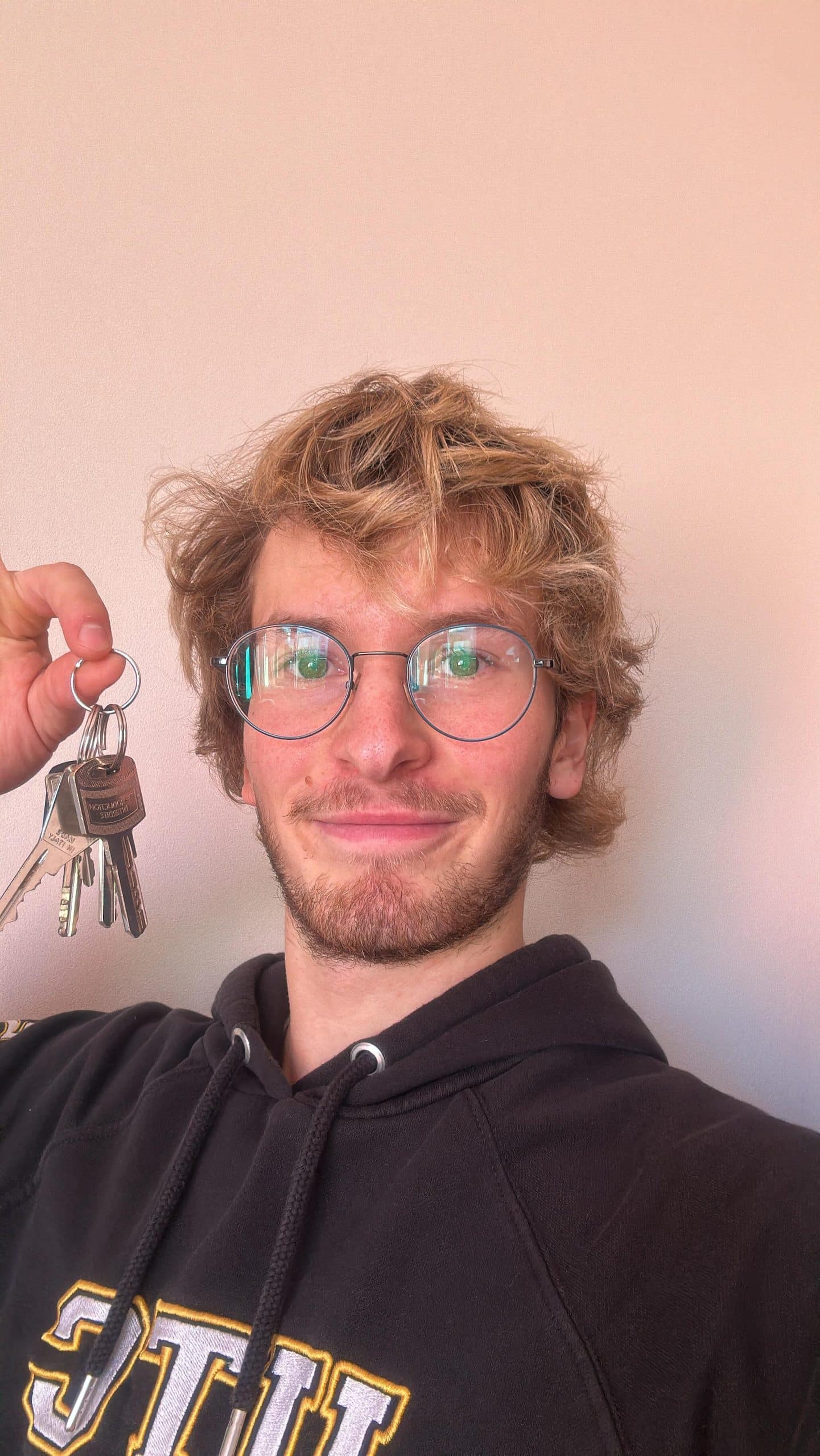
A promise from Nicolas, Romain & Fabien, founders of RentHunter
All you needto know
Our answers to the most common questions.
Most housing websites only show the listings they personally host. RentHunter works differently: we scan the entire Dutch rental market across 1100+ sources, from the biggest housing platforms to smaller agency websites, local property platforms, student portals, and expat housing websites. Our system monitors all of these channels 24/7 and checks for new listings every few seconds. You see everything in one place, instantly, without jumping between tabs or missing opportunities.
Every day, hundredsEvery day, hundreds of
of new listings go livenew listings go live
The first 5 serious applicants get 70% of the viewings.




Over 12 k+ users have found their dream home in 30 days on average