



Huurcommissie: How the Dutch Rent Assessment Committee works

🏠Yes, the Huurcommissie acts as an official housing tribunal that provides binding rulings on rent
Huurcommissie: How the Dutch Rent Assessment Committee works

Table of contents

Looking for accommodation?

Living in the Netherlands as a renter is a pretty sweet deal thanks to the robust protections in place for all tenants. Staying on top of the latest market changes, and we are talking specifically about 2026, is key to not getting taken for a ride by some dodgy landlords and unscrupulous rent hikes. Under the Dutch rental law, international residents are protected from all sorts of nonsense, meaning no more being booted out on a whim or slapped with some outrageous rent increase. And if your rental property scores less than 187 points on the WWS scale, your rent is capped, and you have also got the right to challenge any unfair hikes through the Huurcommissie.

Is it possible for tenants to settle a dispute with their landlord without a court case in 2026? Yes, the Huurcommissie acts as an official housing tribunal that provides binding rulings on rent, maintenance, and service costs, bypassing the need for expensive legal proceedings. To secure a fair deal, you must follow the correct legal procedure and provide a WWS points assessment as evidence of your home’s value.

In this guide, we will explain exactly how to navigate the rent assessment committee to protect your rights and lower your costs.

🏛️ What is the Huurcommissie and why does it exist?

The Huurcommissie functions as an independent housing tribunal, providing a low-cost alternative to expensive legal counsel for resolving rental disputes. In 2026, this body ensures that the rent level remains proportional to a property’s quality by strictly enforcing the points system (puntenstelsel) across the regulated sector and the expanded mid-market. By delivering a binding ruling or decision, the rent assessment committee prevents landlords from exploiting the housing shortage through illegal price hikes in the private rental sector. Accessing this legal procedure is a fundamental right for all tenants, and the law strictly forbids any form of landlord retaliation against those seeking tenant protection.

📊 Jurisdiction and the 2026 rental sectors

Not every home falls under the full jurisdiction of the Huurcommissie. Your rights depend on whether your contract is considered regulated (social or mid-rent) or liberalized (private sector). In 2026, the boundaries have shifted to include more homes under the committee’s protection.

SectorWWS points (2026)Starting rent (monthly)Huurcommissie role
Social housing0 – 143 pointsUp to €879.66Full jurisdiction: Rent, maintenance, and service costs.
Mid-rent sector144 – 186 points€879.67 – €1,228.07Full jurisdiction: Rent levels and annual increases.
Private sector187+ pointsAbove €1,228.07Limited: Service costs and initial rent check only.

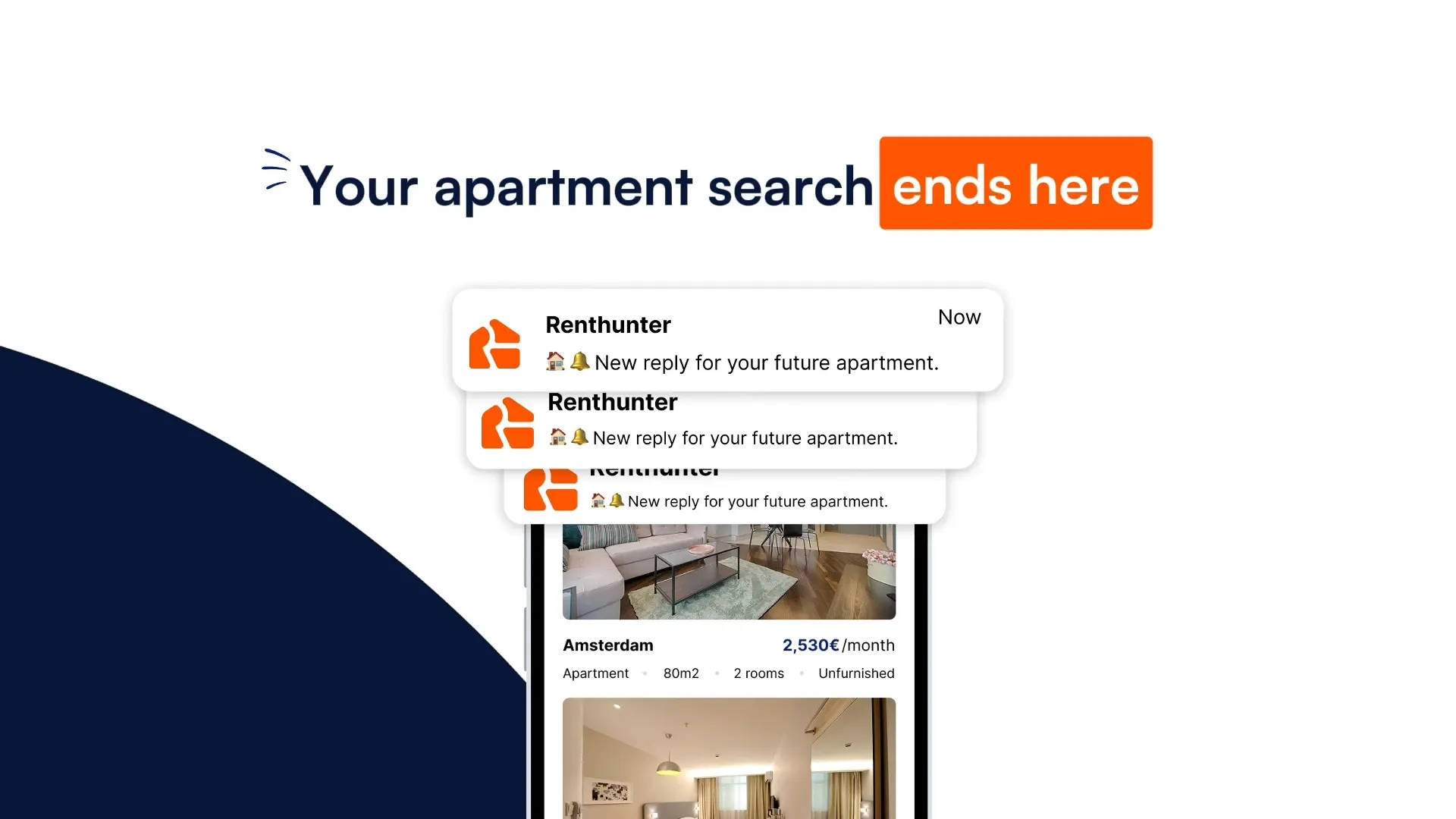
If you are looking for a new home, platforms like Renthunter.nl are essential because they aggregate listings from various sources, allowing you to see at a glance what the asking prices are across different sectors. This transparency helps you identify if a landlord is trying to push a mid-rent property into the private sector price bracket.

⚖️ The initial rent check: Your first 6 months

The most powerful tool for international tenants is the initial rent assessment. When you sign a new lease, you have a limited window to challenge the price. If the property’s points system (puntenstelsel) score suggests the rent should be lower, the Huurcommissie can force a permanent rent reduction retroactively to the start date of your contract.

For permanent contracts, you must file this request within 6 months of the start date. For temporary contracts (up to 2 years), you have until 6 months after the contract expires to file. This is a crucial piece of tenant protection because it allows you to secure the housing first and then challenge the illegal price once you are safely moved in. The committee will send an inspector to measure the rooms, check the energy label, and evaluate the kitchen and bathroom finishes to determine the correct rent level.

🧠Did You Know? : The Huurcommissie’s rulings are “binding advice.” This means that once a ruling is made, it automatically replaces the terms in your rental contract. You do not need the landlord’s permission to start paying the lower rent amount specified in the decision; the law does it for you.

📝 The Huurcommissie legal procedure step-by-step

Starting a case is a formal legal procedure, but it is designed to be accessible. You do not need a lawyer, though having one can help if the case is complex.

  1. Notice of Objection: You must first send a formal letter or email to your landlord explaining the problem (e.g., the rent is too high or there are maintenance issues) and proposing a solution.
  2. Wait for Response: Give the landlord a reasonable timeframe (usually 2 to 6 weeks) to solve the issue.
  3. File the Application: If the landlord refuses or ignores you, log in to the Huurcommissie website using your DigiD. You will need to pay a small leges fee (approximately €25 for individuals in 2026).
  4. The Investigation: The committee may send an investigator to your home or request documentation like your contract and bank statements.
  5. The Hearing: Both parties are invited to explain their side. In 2026, many of these hearings are held online.
  6. The Decision: The committee issues a ruling. If they side with you, the landlord is usually ordered to refund your application fee and adjust the rent.
  7. Appeal: If you or the landlord disagree with the decision, you have 8 weeks to appeal the case to a subdistrict court (kantonrechter).

💡Tips : Always document everything. Before starting a huurcommissie procedure, ensure you have a “paper trail” of every interaction with your landlord. If you discuss maintenance over the phone, follow up with an email stating: “As discussed on the phone today, I am reporting the leak in the bedroom.” This evidence is vital for a successful ruling.

✅ Checklist: Is your case ready for the Huurcommissie?

  1. You have a written rental agreement for a residential property.
  2. You have already sent a formal written complaint to your landlord.
  3. The deadline you gave the landlord to respond has passed.
  4. You have calculated your WWS points and have evidence the rent is too high.
  5. You are within the legal time limits (6 months for initial rent checks).
  6. You have checked Renthunter.nl to see if your rent is significantly out of line with similar regulated properties.

❓ FAQ: Frequently Asked Questions about huurcommissie

What is the huurcommissie exactly? It is an independent Dutch government agency that resolves disputes between tenants and landlords regarding rent prices, maintenance, and service costs.

How does a huurcommissie rent assessment work? An inspector evaluates your home based on the points system, measuring surface area and amenities to determine the maximum legal rent price.

How to use the huurcommissie effectively? You must first notify your landlord of the issue in writing and, if unresolved, submit a formal application via their online portal using your DigiD.

Is the huurcommissie for expats too? Yes, all residents in the Netherlands, regardless of nationality, have the full legal right to use the committee’s services for their rental disputes.

What happens in a rent dispute Netherlands huurcommissie case? The committee investigates the facts, holds a hearing if necessary, and issues a binding ruling that both the tenant and landlord must follow.

Can you provide a huurcommissie rent check explained simply? It is a formal review where the committee checks if your “kale huur” (basic rent) matches the quality of your home according to the law.

Does the huurcommissie private rental sector rules apply to me? If you live in the private sector, you can still use the committee for service cost disputes and to check if your rent should actually be regulated.

Who wins in huurcommissie vs landlord cases? The party that has the law and the WWS points system on their side wins, as the committee makes objective decisions based on strict legal criteria.

❌ Common mistakes made by renters

  • Missing the deadline: You must file for an initial rent check within 6 months of starting a permanent contract, or you lose the legal right to challenge the base rent for the duration of your stay.
  • Stopping rent payments: Never stop paying rent during a dispute, as this will lead to eviction for payment arrears. You should always pay under protest while awaiting a formal ruling.
  • Assuming contracts are final: In the Netherlands, national law always overrules your tenancy agreement, meaning illegal clauses or excessive rent levels remain invalid even if you have already signed the document.
  • Waiting too long with temporary leases: For temporary contracts, you have up to 6 months after the lease ends to challenge the initial rent, but starting the legal procedure early is the safest way to ensure tenant protection.


🎯 Conclusion: Taking charge of your housing situation

Navigating the Dutch rental market does not have to be a one-sided fight. The huurcommissie is your essential safety net against landlords taking unfair advantage of the housing shortage. By getting a firm handle on the points system and how the legal procedure works, you can live with the confidence that you are paying a fair price for your home. Whether you are dealing with unjustified rent hikes or a landlord who refuses to address serious maintenance issues, the rent assessment committee is there to provide a binding decision. Do not let the complexities of the private rental sector or mid-market regulations intimidate you: the law in 2026 is designed to ensure that international tenants and locals alike have the right to fair and affordable housing.

Next steps:

Looking for accommodation?

Smart renters win the race! 🚀

Subscribe for expert tips on finding a home in the Netherlands.

ℹ️ Discover more tips


70+ pages · Templates · Checklists · And more

FREE EBOOK 2026 EDITION

Find a Home in the Netherlands in 30 Days

The step-by-step playbook used by thousands of expats and students to land a safe, legal home fast.

30-day roadmap : week-by-week actions from setup to signed contract

Copy-paste templates : messages, bios & phone scripts for agencies

Anti-scam protocol : red flags, viewing checklists & legal rights