Apartments, rooms and studios for rent in Midden Delfland

Stop refreshing, get daily matches

Midden Delfland: rural Zuid-Holland's quiet rental market
Midden Delfland is not a city in the conventional sense. It's a municipality of polders, dairy farms, and small village cores, Schipluiden, Den Hoorn, and Maasland are the main ones, wedged between Delft and the Westland greenhouses. People who rent here are not looking for urban density. They want space, quiet, and a functioning Zuid-Holland address without paying Rotterdam or Delft prices for it.
The rental stock is limited and turns over slowly. Most available properties are single-family homes and ground-floor flats, often with a garden. You won't find the churn of a student town here. When something comes up on RentHunter, it tends to go fast because the pool of listings is genuinely small. If you're seriously considering this area, set up an alert and respond the same day.
Houses and flats: what the Midden Delfland market actually holds
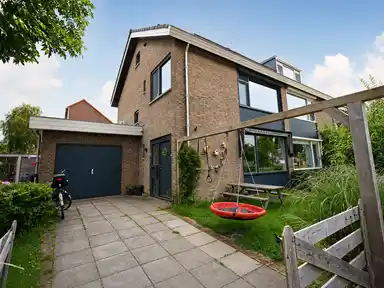
- Single-family homes: the dominant rental type Terraced and semi-detached houses make up the backbone of rentals in Midden Delfland. Streets like Gaag in Maasland or the older village core along Dorpsstraat in Schipluiden occasionally have properties come to market. These tend to be 3-to-4-bedroom homes with front or rear gardens, and they attract families relocating from Rotterdam or Den Haag who want more floor space without leaving the province. Turnover is low, meaning the same properties can sit quietly occupied for years before reappearing.
- Apartments and ground-floor flats: scarce but present A handful of apartment-style units exist in Midden Delfland, mostly in Den Hoorn near the Delft city border. These are typically smaller ground-floor or first-floor units that suit couples or singles who want a rural postal code but don't need a full house. Supply is thin enough that when one appears, it's often gone within a week. For a broader selection of apartments at various price points, nearby Delft offers significantly more choice.
- Rural character drives rental expectations Renters here generally accept that they're trading convenience for calm. A garden, a driveway, distance from traffic noise, and a view of the polder are not extras, they're what defines a rental here. Listings that lack outdoor space move more slowly than those with it. If you're comparing what you get per square metre versus a city address, Midden Delfland typically delivers more indoor and outdoor space. Whether that trade-off suits your daily routine depends entirely on how you handle the commute.
Living in Midden Delfland: polders, villages, and everyday life
The three village cores each have a distinct feel. Schipluiden is the quietest and most agricultural, sitting tight to the Zuidpolder cycling routes that slice through the grassland east of the village. Den Hoorn feels slightly more suburban, it borders Delft on its southern edge, and residents there often cycle directly into Delft within 15 minutes. Maasland has a slightly more spread-out character with some newer residential streets near the old church.
The local character is firmly Zuid-Holland: flat, open, with long uninterrupted sightlines across the polder. The Midden Delfland protected landscape area covers the land between all three villages, which means further housing development is tightly restricted. That's the core reason why rental supply here will never catch up with demand.
Local services: small-town practicalities
Each village has a small supermarket and a handful of local businesses, but Midden Delfland is not self-sufficient for major shopping or healthcare. Most residents drive or cycle to Delft for larger supermarkets, GPs with shorter waiting lists, and secondary schools. The weekly market in Maasland near the Markt square draws people from across the municipality on Saturday mornings and is genuinely a social anchor. If you work from home or commute only a few days a week, the daily routine here works fine. If you need a GP appointment at short notice or a hardware store that isn't 20 minutes away, plan for it.
Nature and cycling: what residents actually use daily
The cycling infrastructure is genuinely excellent. The polder routes between Schipluiden and Den Hoorn and out toward the 't Woudt hamlet are flat, well-surfaced, and almost car-free. Many residents who live in Den Hoorn cycle into Delft daily for work or school without ever touching a bus. The Midden Delfland nature area also connects northwest toward the Ackerdijkse Plassen, a bird-rich wetland that's used heavily on weekends. If outdoor space and cycling are part of why you're considering this municipality, those elements genuinely deliver.
Renting here without a car is possible, but plan carefully
Den Hoorn has the best public transit access of the three villages, bus line 40 connects it to Delft station in around 10 minutes. Schipluiden and Maasland are served but less frequently. If you're considering Midden Delfland without a car, prioritise a rental in or near Den Hoorn and confirm the exact bus stop distance before signing. Most houses in Schipluiden and Maasland realistically need a bicycle at minimum, and a car for anything time-sensitive.
Commuting from Midden Delfland
Midden Delfland has no train station of its own. The nearest rail connections are at Delft (via bus or bike from Den Hoorn) and Maassluis (from Maasland, by bus). This means all long-distance commuting involves at least one transfer, and journey times to major cities are longer than the straight-line distance suggests. The municipality is genuinely rural, and the travel times below reflect real-world public transit, not optimistic estimates.
Rotterdam (~68 min by public transit)
Rotterdam is the nearest major employment hub, around 68 minutes door-to-door by public transit. The typical route goes bus to Delft station, then intercity train to Rotterdam Centraal. If you work in the Rotterdam port area or in the Alexanderpolder office district, add time for onward connections. For people with flexible start times who can travel outside peak hours, this commute is manageable a few days a week. Daily is tiring.
Den Haag (~76 min by public transit)
Den Haag takes around 76 minutes by public transit, slightly longer than Rotterdam despite being geographically further. The route typically runs through Delft station and onward on the intercity. Government workers and civil servants who want to rent outside the city often look at Midden Delfland for the outdoor lifestyle, but the commute time demands honest self-assessment. Compare this with renting in Den Haag directly if the commute is a deal-breaker.
Delft: the practical daily hub, 15–20 min by bike or bus
For most Midden Delfland residents, Delft functions as the everyday city. Delft station unlocks the full intercity network. Den Hoorn is close enough to cycle there in good weather, and the bus covers it on wet days. If you work in Delft itself, at the TU Delft campus or in the technology and logistics companies that cluster around the rail corridor, the commute from Midden Delfland is genuinely short. Check the rental market in Delft too if you want to live closer to that station.
Dal-uren saves money on longer rail legs
If you commute to Rotterdam or Den Haag by train, look into the NS dal-uren subscription (off-peak travel pass). Given the long distances and typical travel times from Midden Delfland, the monthly saving compared to a regular subscription can be significant, provided your work schedule lets you travel after 09:00 and before 16:00. Many Midden Delfland renters who work hybrid have found it cuts their monthly transit spend noticeably.
Frequently asked questions about renting in Midden Delfland
Is the rental market in Midden Delfland competitive?
Yes, but in a different way from city markets. There are simply very few listings at any given time. Because supply is so restricted by the protected landscape designation, even moderate demand produces fierce competition for individual properties. When a house in Schipluiden or Maasland comes to market, it is common to see multiple candidates within the first 48 hours. Prepare your documents and references in advance so you can respond quickly.
Are there any short-term or furnished rentals in Midden Delfland?
Short-term and furnished rentals in Midden Delfland are extremely rare. The market here is oriented toward long-term family tenancies, not temporary or expat arrangements. Landlords in this area typically expect standard Dutch lease terms of one year or more. If you need furnished or short-term accommodation in this part of Zuid-Holland, you'll have far more options by looking in Delft or Den Haag, which both have dedicated expat and short-stay rental markets.
Which village in Midden Delfland is best for renters without a car?
Den Hoorn is the clear answer. It's the only village with a regular bus connection to Delft station (line 40), and it's close enough to cycle into Delft in around 15 minutes on a decent day. Schipluiden and Maasland both require more planning to get around without a car, bus frequency is lower and cycling distances to the nearest rail connection are longer. If car-free living is a priority, focus your search on Den Hoorn properties specifically.
Can expats or non-Dutch speakers rent easily in Midden Delfland?
It's possible but expect more friction than in a city. Most landlords in Midden Delfland are private individuals, not property management companies, and correspondence and lease documents may be in Dutch only. English is widely spoken in the Netherlands, but in a rural municipality with local landlords, having someone who can review a Dutch lease is genuinely useful. Expats working at TU Delft or a Rotterdam company sometimes choose this area for the space and calm, but they typically handle the Dutch paperwork with agency help.
How does rent in Midden Delfland compare to nearby Delft or Rotterdam?
Comparing directly is tricky because the property types are different. Midden Delfland predominantly offers houses, while Delft and Rotterdam have a large apartment stock at various price points. A three-bedroom family house in Midden Delfland will often be priced in a similar range to an equivalent house in outer Delft or southern Rotterdam, but you get more outdoor space for the money. What you lose is proximity, walkability, and the service infrastructure of a city. The calculation changes depending on what stage of life you're in and how much the polder setting offsets the longer commute in your daily calculus.