Private sector rentals in the Netherlands: what you need to know
Published on 26 December 20259 min read
New listings go in hours. RentHunter checks 1,100+ rental sites and alerts you within 30 seconds.See the listings →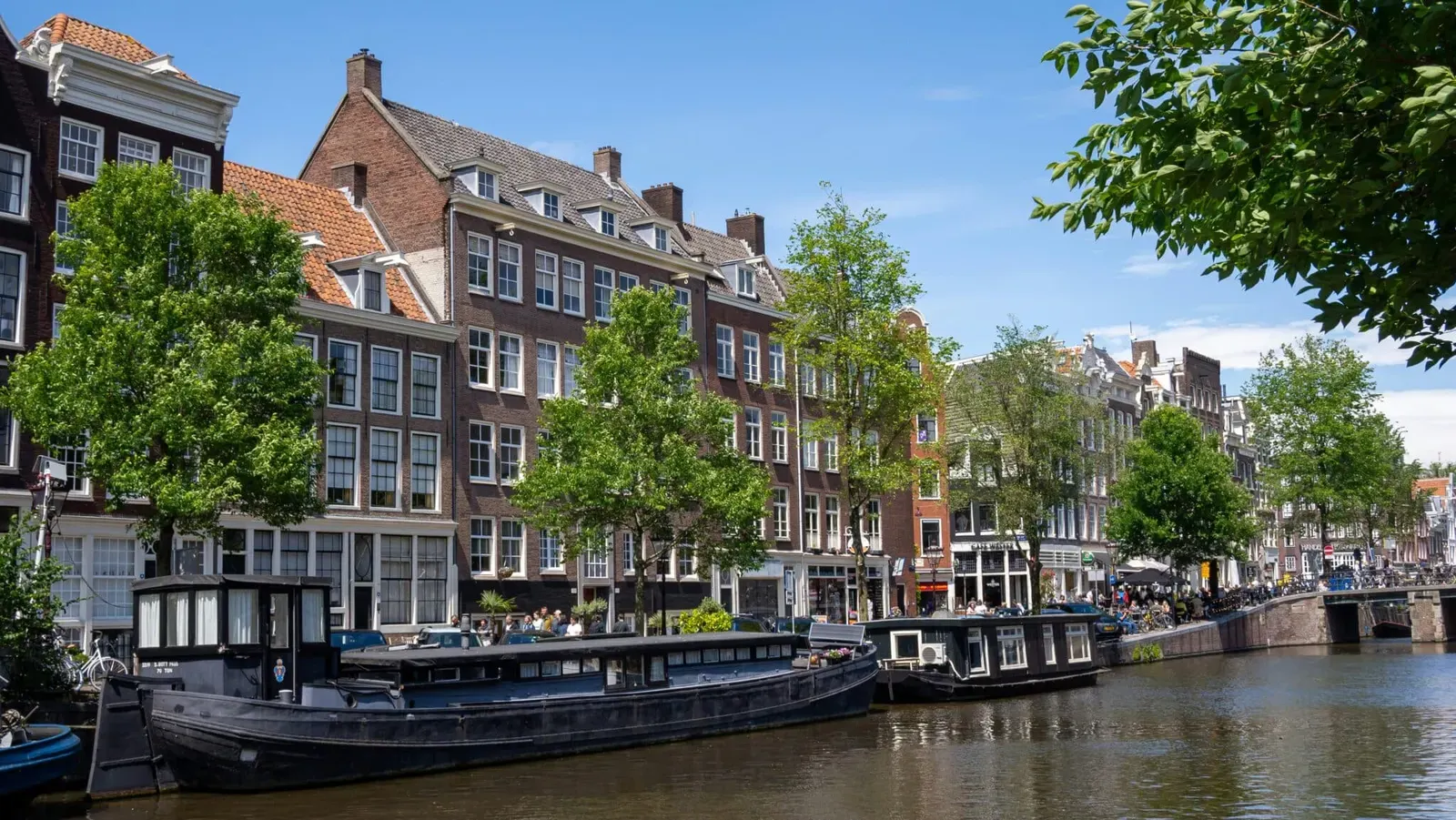
Key takeaways
- The vrije sector covers homes with rents above the regulated threshold, with no waiting list and no income criteria like social housing.
- Deposits in private rentals are usually one or two months of rent, returned if you leave the property undamaged.
- An unfurnished Dutch rental often has no flooring, lights or appliances, so expect high start-up costs.
- You can challenge rent you find too high or unfair increases at the Huurcommissie, even as an international tenant.
Table of contents
- Getting to Grip with the Rental Market in the Netherlands
- What’s the difference between Social Housing and Private Rentals in the Netherlands?
- Major Dutch cities and private rentals
- How tenancy agreements work in the private rental sector Netherlands
- Furnished vs unfurnished rentals
- How to find a Private Rental in the Netherlands
- Rent increases and what tenants should know
- Understanding your rights in the private rental sector
- Legal information
- Tips for a smooth private rental search
- FAQ: Frequently Asked Questions about private sector rentals in the Netherlands
- Conclusion: navigating the private rental sector
Navigating the private rental sector in the Netherlands can be mind boggling. Especially if you’re a foreigner or student trying to get your head around how the whole Dutch rental system works. This guide will break it all down for you so you can make informed decisions in the face of a pretty competitive housing market.
Looking for a home in the Netherlands can be stressful, but it gets much easier once you understand how the private rental housing Netherlands system operates. In this guide you learn the key rules, how rent is set, how deposits and leases work and what to expect from private landlords in the Netherlands. You also get practical tips, a detailed breakdown of furnished versus unfurnished rentals and a helpful FAQ with the most asked questions from internationals.
Getting to Grip with the Rental Market in the Netherlands
The Dutch rental market is split into two main parts : social housing and private rentals.The private rental sector, often called the vrije sector, includes all homes with rents above the regulated threshold. This makes them available to a wide group of tenants, including internationals, young professionals and students who do not meet the income criteria for social housing.
The private sector is much more flexible compared to social housing. No waiting lists and landlords can set their own prices. That freedom comes with a catch though – especially in big Dutch cities like Amsterdam, Rotterdam, Utrecht and The Hague.
Here’s a quick rundown to help you get a feel for the difference:
| Category | Social housing | Private sector rentals |
|---|---|---|
| Rent cap | Yes | No |
| Waiting list | Very long | None |
| Income criteria | Required | Not required |
| Flexibility | Limited | High |
| Target group | Low to middle income | Anyone who can afford the rent |
What’s the difference between Social Housing and Private Rentals in the Netherlands?
Lots of newcomers are confused about the difference between social housing and private rentals in the Netherlands. Social housing is often more tightly regulated, has fixed rent caps and tends to be for lower income households. The private rental sector in the Netherlands is market driven. Landlords can set their own prices, choose the lease terms and decide if the property is furnished or unfurnished. Private rental housing is the main option for internationals because social housing requires registration on a waiting list that can take years.
The Netherlands has an official scoring system called the WWS points system that determines whether a rental property is regulated. Homes with enough points enter the private sector, while lower scoring homes remain in the social rent category. Many internationals do not know that this system exists, but it is a key part of how rent prices are structured.
Major Dutch cities and private rentals
Private sector rentals in the Netherlands vary a lot depending on the city. Here’s a quick rundown of what you can expect:
Amsterdam: high demand, limited supply and expensive.
Rotterdam: Ideal for students and young professionals, a lively city that’s hard to resist.
The Hague: popular with expats working for embassies and international organisations. A mix of classic homes and modern apartments.
Utrecht: Central location, vibrant student culture.
Eindhoven: A growing tech hub with many new developments, especially popular among young talent.
This variation explains why tenants should broaden their search and use platforms such as Renthunter.nl, which gathers listings from many websites to save time.
How tenancy agreements work in the private rental sector Netherlands
A tenancy agreement is the contract that outlines the rules for your stay. In the private rental housing system, these contracts are usually either temporary or indefinite.
Typical elements of a private rental contract:
- Monthly rent
- Deposit amount
- Duration of the lease
- Maintenance responsibilities
- Service costs
- Whether the property is furnished or not
- Conditions for ending the lease
When renting a property, the deposit is usually equal to one or two months of rent. To get your deposit back you’ll need to leave the property in the same state as when you moved in.
Furnished vs unfurnished rentals
Private sector rentals in the Netherlands are offered in several conditions. It is important to understand the difference because it affects your total moving costs.
| Type | Includes | Pros | Cons |
|---|---|---|---|
| Unfurnished | No flooring, no lights, no appliances. | Lower rent, freedom to decorate | High start up cost |
| Semi furnished | Flooring, curtains, basic lighting | Good balance between effort and cost | Still need to buy furniture |
| Furnished | All furniture and appliances | Move in ready | Higher rent |
Tip: always ask for an inventory list when renting a furnished home. That way you’ll have something to fall back on if there’s any dispute about the state of the property when you leave.
How to find a Private Rental in the Netherlands
The private rental market is super competitive, so you’ll need a smart strategy if you want to stand a chance. These are the best ways to search for a place:
1. Online platforms
Some websites that are super popular with expats and students are:
- Renthunter.nl (they pull in listings from loads of different platforms)
- Pararius
- Funda
- Kamernet
- HousingAnywhere
- Facebook housing groups (use caution)
Renthunter.nl is especially helpful because you can compare private rental housing in the Netherlands across different websites in one place.
If you want a bit more hand holding during your search, an agency might be a good idea. They can arrange viewings, explain the Dutch rental system and make everything run a bit more smoothly.
3. Direct contact with private landlords
Sometimes the fastest way to secure a place is to go straight to the landlord and ask if they have anything available.

Rent increases and what tenants should know
In the private sector rentals, landlords are allowed to raise the rent each year within limits set by the government. The rent caps in the Netherlands change every year, so tenants need to be told in writing before any increase takes place. Here are some reasons why a landlord might increase the rent:
- Annual adjustment based on inflation
- Property improvement
- New energy efficiency features
Tenants always have the right to challenge unreasonable increases at the Huurcommissie, also known as the Rent Tribunal.
🏻Good to know: If you think the rent is way too high for the property, you can ask the Huurcommissie (an independent organisation that helps with rent disputes and other issues) to take a look. This gives tenants extra protection especially when renting directly from a private landlord in the Netherlands.
Understanding your rights in the private rental sector
Tenants in the Netherlands have strong rights, even in the private sector. Important rights include:
- Protection against sudden eviction
- Reasonable notice periods
- Deposit must be returned if no damage is found
- Rent increases must follow government rules
You do not lose these rights even if you are an international tenant or a student renting from a private landlord in the Netherlands.
Legal information
Private rental contracts in the Netherlands must follow Dutch law. A written contract is required and both parties must receive a copy. Tenants should check:
- Whether BRP registration is allowed
- If the property meets the official points needed for private sector status
- Whether temporary contracts have clear end dates
- If service costs are reasonable
If something feels unclear, you can always ask the Huurcommissie for guidance.
Tips for a smooth private rental search
Finding a home can be challenging, but these insider tips make the process easier:
- Start early because demand in major Dutch cities is high
- Use multiple platforms including Renthunter.nl for a broader search
- Prepare a rental profile with ID, income proof and references
- Attend viewings quickly because listings move fast
- Compare rent based on square meter pricing
- Confirm whether utilities are included
- Read the entire tenancy agreement before signing
A small effort at the start can save you trouble later.
Free calculator
Is this rent fair? Rent price market value calculator
Try it right here. No sign up, 30 seconds.
FAQ: Frequently Asked Questions about private sector rentals in the Netherlands
What is the private rental sector in the Netherlands?
Homes with rents above the regulated threshold are freely priced by the landlord.
What is the difference between social housing and private rentals in the Netherlands?
Social housing has fixed caps and waiting lists, private rentals are market based and available to anyone.
How do private rental prices in the Netherlands work?
Prices are set by the landlord but can be influenced by location, size and if the property is furnished.
How can I find a private rental in the Netherlands?
Use websites like Renthunter.nl, Pararius and Funda or contact agencies and private landlords directly.
What should I know about private landlords in the Netherlands?
Private landlords have more flexibility in pricing and contract terms but still have to follow Dutch rental regulations.
How do private rental contracts in the Netherlands work?
Contracts outline rent, deposit, responsibilities and lease length. Most deposits are one or two months of rent.
Is renting directly from a private landlord in the Netherlands safe?
Yes, but always view the property, check the contract and don’t pay anything before signing.
What are the rights of tenants in the private rental sector Netherlands?
Tenants are protected against unfair rent increases and sudden eviction and can contact the Huurcommissie for help.
Is private rental housing for expats in the Netherlands easy to find?
It’s competitive but platforms like Renthunter.nl help you filter options quickly.
Conclusion: navigating the private rental sector
If you’re not set on waiting for a spot in social housing then the private rental sector in the Netherlands is probably your best bet. With a good grasp of how the system works you’ll feel a lot more in control from the get go. Whether you end up in Amsterdam or Utrecht or anywhere in between, you’ll be able to find a private rental place that suits your needs and budget
Check our website to compare listings and find your home!
Search smarter
Private rentals are faster than social housing, if you reply first. Get alerts within 30 seconds.



Ready to find your perfect home?
Join thousands of expats, students, and professionals who found their home with RentHunter.