Houses for Rent in De bilt, Netherlands

Stop refreshing, get daily matches
Stop refreshing, get daily matches
De Bilt houses: Utrecht quality, 5% lower rent
De Bilt is one of those municipalities that people in Utrecht quietly know about but rarely shout about. Tucked directly east of Utrecht's city limits, it offers something the city itself struggles to provide: spacious family houses with actual gardens, tree-lined streets, and genuine quiet, all within a 23-minute bus or tram ride to Utrecht Centraal. For families or couples who want the space of a house without paying Utrecht city prices, renting in De Bilt is a real alternative worth considering. Average rents for houses here sit around €2,428/month, roughly 5% below comparable houses in Utrecht proper.
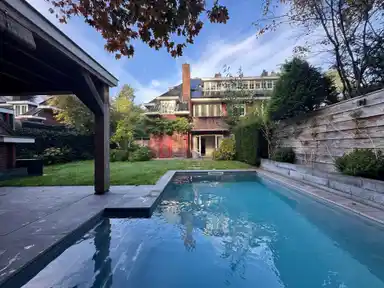
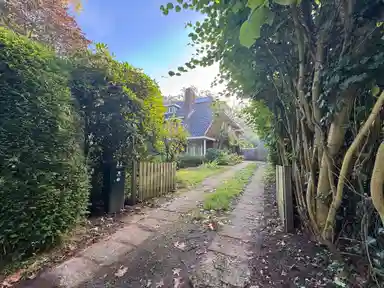
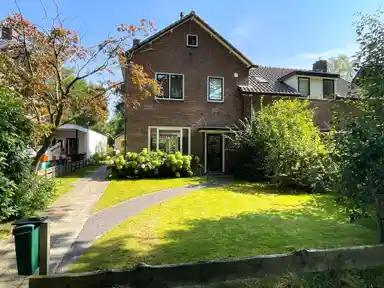
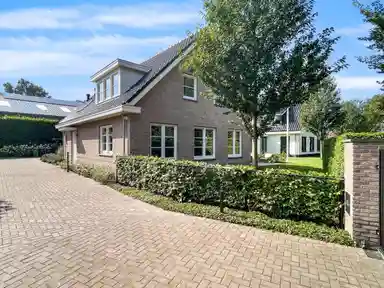
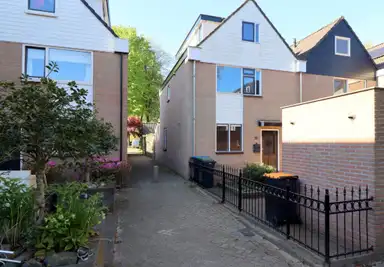
The housing stock in De Bilt skews heavily toward detached and semi-detached houses from the 1960s through the 1980s, built when the municipality grew as a green suburb for Utrecht professionals. Many properties come with driveways, storage sheds, and south-facing gardens, features that are either rare or expensive in the city. Furnished options exist but are less common; if that's a priority, it's worth also checking furnished houses in Utrecht to compare what's available nearby.
Browse current listings on RentHunter to see which properties are available across De Bilt's different sub-villages. The municipality actually comprises several distinct areas, De Bilt village, Bilthoven, Maartensdijk, and others, each with its own character and price level, so it pays to know what you're looking for before you start.
Where families actually settle in De Bilt
The municipality of De Bilt is not one place but several distinct villages stitched together under one municipal banner. Each has a different feel and a different price level, so the neighborhood you choose matters more here than in a dense city where everything blurs together. Houses for rent appear across all the main cores, but the character, and the type of household that fits, varies considerably.
Bilthoven: established family suburbia near the NS station
Bilthoven is the most recognizable part of the municipality and the one most people mean when they say "De Bilt." It has its own NS train station, Bilthoven station, which makes it the most transit-accessible corner of the municipality. The streets around Soestdijkseweg and the older residential areas south of the station are lined with large detached houses from the interwar period and postwar decades, many with mature gardens that have been tended for 40 or 50 years. It suits families with children in primary or secondary school; several well-regarded schools are within cycling distance. Rents here tend to be at the upper end of the De Bilt range given the station access and the prestige of the area.
De Bilt village: quieter core with more modest house prices
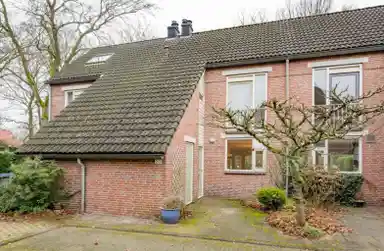
The village of De Bilt itself, distinct from Bilthoven, sits slightly further from the train line, which keeps rents a notch lower while still providing quick bus connections toward Utrecht. The housing here is a mix of postwar terraced houses and 1970s–1980s semi-detached properties, many on streets that back onto the open polder landscape or the edge of Amelisweerd nature area. It's a calmer corner that appeals to families who prioritize garden size and street-level quiet over transit speed. The local Groenekan and De Bilt village center both have small shopping streets covering everyday needs without requiring a trip into Utrecht.
Maartensdijk: rural character with Utrecht Province landscapes
Maartensdijk is the northernmost part of the De Bilt municipality and the one that feels most genuinely rural. Houses here tend to be larger, sometimes with land, and the setting is open polder and ditchside greenery rather than suburban street. Families who want maximum space, a detached house with a large garden, and don't mind a longer bike or bus journey to Utrecht's center are the ones who end up here happily. It borders the Noorderpark nature reserve, which means weekends involve walking or cycling routes that feel a world away from the Randstad. Rental supply is more limited than in Bilthoven, but properties that do come up tend to offer genuine value for the square meterage.
Local tip: Bilthoven has a weekly market on Wednesday mornings:
Bilthoven's Wednesday morning market near the station is a genuine local institution, not a tourist market. It's where you'll meet the neighbourhood and pick up fresh produce grown in the Utrecht province. If you're visiting a rental property on a Wednesday, arrive early and walk around; it tells you more about the community than any estate agent's description will.
House rents in De Bilt vs Utrecht: what the gap buys you
The average rent for a house in De Bilt sits around €2,428/month, which is approximately 5% below equivalent houses in Utrecht city. That gap might sound modest in percentage terms, but over a year it adds up to a meaningful saving, and crucially, what you get for that money in De Bilt is structurally different from Utrecht. In Utrecht, €2,400/month gets you an apartment with a small balcony at best; in De Bilt, it's a proper family house with a garden, a garage or storage shed, and usually at least three bedrooms. For families who need the space, the comparison isn't really close.
Practical paperwork in De Bilt follows standard Dutch rental procedure. Landlords typically ask for recent payslips (usually three months), a copy of your ID or passport, and proof of income at roughly three times the monthly rent. If you're relocating from abroad and don't yet have a BSN (citizen service number), many landlords will still proceed, but you'll need to register with the gemeente De Bilt within five days of moving in, which is a legal requirement. Rental contracts in this area are almost always indefinite-term (for the main market segment) or fixed-term for expat housing. Deposits are typically one to two months' rent.
For those who want to compare, houses for rent in Utrecht give a clear benchmark for what a comparable budget gets you inside the city. If budget is tight, also consider houses in Almere as another Utrecht-province alternative with even lower average rents, though with a longer commute.
Commuting from De Bilt
De Bilt's transport connections centre on two things: Bilthoven NS station (on the Utrecht–Amersfoort rail line) and the bus network connecting all the municipality's villages to Utrecht Centraal. For most destinations, you change in Utrecht, which is itself extremely well connected to the rest of the Netherlands. The bus lines serving the De Bilt village area are frequent during peak hours and run reliably, though they thin out after 22:00. For most commuters in the municipality, a bicycle to the bus stop or Bilthoven station is the practical daily reality.
Utrecht (23 minutes, 6 km)
Utrecht is the main commuting destination from De Bilt and the connection is one of the best arguments for living here. At 23 minutes by public transit, the central station is closer than many Utrecht neighborhoods are to each other. The UMC Utrecht hospital complex, Utrecht University's Uithof campus (De Uithof), and the many employers in the Papendorp business district are all accessible without stress. For anyone working in Utrecht who needs family-house space, De Bilt is the most practical nearby option.
Amersfoort (nearest city via Bilthoven station line)
Bilthoven station sits on the direct NS line between Utrecht and Amersfoort, making Amersfoort a straightforward commute without changing trains. Amersfoort has a significant concentration of government and insurance sector employers, and its own compact historic centre is easily reached. For households where one partner commutes to Utrecht and another to Amersfoort, living in De Bilt positions you almost exactly between the two, a genuinely convenient placement that few municipalities in Utrecht province can offer.
Amsterdam (56 minutes) and Den Haag (62 minutes)
For professionals working in Amsterdam or Den Haag, De Bilt is a feasible base if you commute two or three days a week rather than daily. Both cities are reachable in about an hour via Utrecht Centraal, which is a reasonable intercity connection for a hybrid working arrangement. Daily commuting to Amsterdam or Den Haag from here would be tiring, but remote-first workers who need occasional access to both cities will find De Bilt's position on the Utrecht node extremely practical. Also browse all rentals in De Bilt if you're open to other property types.
Check the U-OV app for real-time bus schedules around De Bilt village:
The U-OV app (the Utrecht region transit operator) shows live departures for all bus stops across De Bilt municipality, including the less central stops in Maartensdijk and Groenekan. Evening services thin out noticeably, so if you're evaluating a house in one of the outlying cores, check the last bus time before you fall in love with the property.
FAQ: renting a house in De Bilt
Is De Bilt significantly cheaper than renting a house in Utrecht?
On average, houses in De Bilt run about 5% cheaper than equivalent properties in Utrecht, with average rents around €2,428/month. The price gap in absolute euros is noticeable but not dramatic; what matters more is what that money buys. In Utrecht, €2,400/month typically gets you an apartment, while in De Bilt it commonly gets you a detached or semi-detached house with a garden. If you specifically need house-type space, the comparison strongly favours De Bilt.
Do most rental houses in De Bilt have a garden?
Yes, the majority of houses available to rent in De Bilt come with a garden, which is one of the key reasons families move here from Utrecht. The older housing stock, particularly in Bilthoven and in the De Bilt village core, typically includes mature rear gardens from the postwar and 1960s-era construction period. When browsing listings, check whether the garden is private or shared, and whether there is a shed included, in the Netherlands, a tuinschuur (garden shed) is practically expected with a family house, and many De Bilt properties include one.
Are there international schools or English-medium schools near De Bilt?
Utrecht is the nearest city with a strong international school offer, and it's reachable in 23 minutes. The International School Utrecht (ISU) and several bilingual secondary schools in the Utrecht city region are the main options for expat families. Within De Bilt municipality itself, the schools are Dutch-language, which suits families integrating into the Dutch system. De Bilt is also very well-positioned for families working at RIVM (the national public health institute, located on the De Bilt–Bilthoven border), whose international staff community often settles in the area.
What is the difference between renting a house in De Bilt and an apartment?
De Bilt's rental stock is dominated by houses rather than apartments, which is unusual for the Dutch rental market. Apartments here tend to be smaller, concentrated near Bilthoven station, and are often part of converted or purpose-built blocks from the 1970s and 1980s. Houses typically offer significantly more floor area, a private garden, and separate storage. If outdoor space and square footage are priorities, a house is the clear choice; if you want lower rent and easy transit access, an apartment near Bilthoven station could be a fit. Browse apartments in De Bilt to compare both markets side by side.