Apartments, rooms and studios for rent in Goes

Stop refreshing, get daily matches

Stop refreshing, get daily matches
Goes at €1,166: Zeeland's quiet rental corner
Goes feels different from the Randstad rental race. This provincial capital in Zeeland draws families seeking space and commuters who don't mind the train ride to Rotterdam. Based on over 500 listings tracked on RentHunter, the average rent sits at €1,166 monthly—29% cheaper than Rotterdam's €1,807.
The rental landscape splits predictably: apartments dominate at 61% of the market around €1,277 monthly, while the limited house stock averages €1,454. Rooms exist but barely register at 18% of listings. Most renters here aren't students (just 8% of listings target them) but working professionals who've discovered that Zeeland offers both affordability and a slower pace than the western cities.
Rental stock breakdown: apartments lead
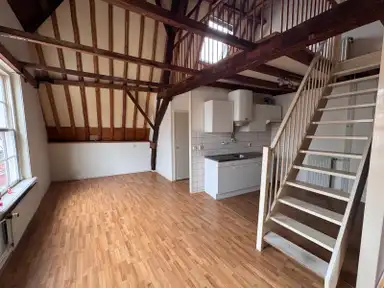
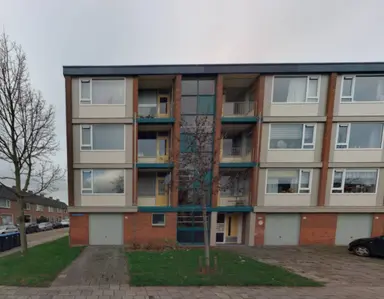
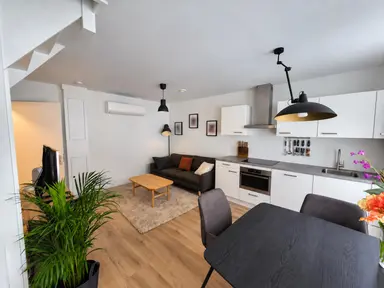
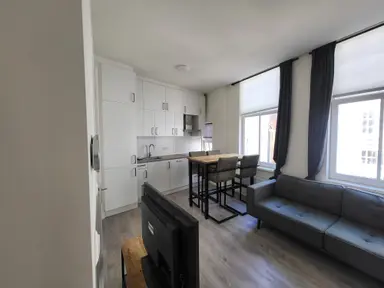
- Apartments (61% of market)The dominant rental type at €1,277 monthly for an average 74 m². Most cluster around the center near Grote Markt or in newer developments toward the station. Apartments in Goes range from compact city units to spacious family-sized flats, with 33% including balconies.
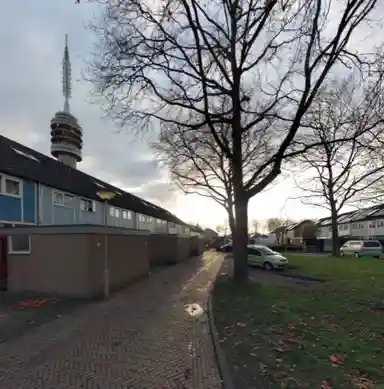
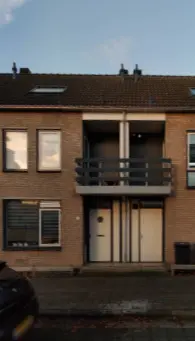
- Houses (20% of market)Family rental territory at €1,454 monthly for 109 m² on average. These are mostly terraced houses in residential streets like Hogeweg or around the quiet neighborhoods east of the center. Houses for rent in Goes often include gardens (26% of all listings have outdoor space) and represent the premium end of the local market.
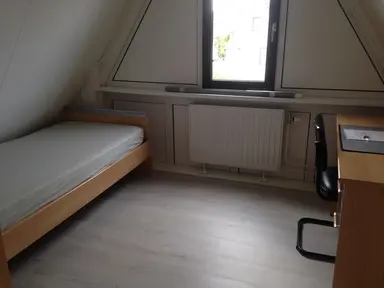
- Rooms (18% of market)The budget option at €498 monthly for 15 m² average. Limited supply means fewer choices than bigger cities, but prices stay reasonable. Rooms in Goes typically appear in shared houses near the center or in converted apartments, appealing mainly to young workers rather than students given the town's limited higher education presence.
Living in Goes: provincial calm
Goes operates on Zeeland time—slower than the Randstad, more connected to seasonal rhythms. This provincial capital feels authentic, with Thursday market days on Grote Markt and cycling as the primary transport around town.
Daily rhythm and amenities
The Grote Markt serves as Goes's living room—Thursday markets fill the square with local produce and regional specialties. Supermarkets cluster within cycling distance of most rentals, and the compact center keeps errands walkable. Only 22% of listings include parking spots, reflecting the bike-friendly layout where most destinations sit within a 10-minute pedal from the center.
Nature and recreation
Zeeland's landscape shapes daily life here. The Oosterschelde wetlands spread east of town, offering cycling routes and birdwatching spots that remind residents why they chose provincial living over urban density. Summer brings day trips to Zeeland's beaches—Westkapelle and Domburg both sit under an hour away by car. The slower pace appeals especially to families and remote workers seeking space to breathe.
Practical tip: registration flexibility:
Goes shows above-average registration friendliness with 76% of listings allowing official address registration. This makes the town particularly attractive for those needing to establish Dutch residency for work or benefits, compared to tighter markets where landlords often refuse registration.
Commuting from Goes
Goes connects reasonably well to western Netherlands, making it viable for commuters willing to trade travel time for lower housing costs and provincial calm.
Rotterdam (73 minutes)
The primary commute destination for Goes residents working in larger companies. Direct trains run roughly hourly, though the journey requires focus—bring a book or laptop for productive travel time. Rotterdam rental prices average €1,807 compared to Goes's €1,166, making the commute financially worthwhile for many.
Breda (92 minutes)
A secondary option for those working in North Brabant. The connection involves a transfer but stays manageable for occasional commutes or hybrid work arrangements. Breda's rental market offers more variety but at higher prices, making Goes an alternative for those prioritizing space and value over urban convenience.
Smart commuting: off-peak advantage:
NS dal-uren (off-peak) discounts work well from Goes since many residents have flexible schedules. Traveling before 6:30 AM or after 9:00 AM saves 40% on train fares, making the commute more affordable. Consider Delft as a middle-ground option if you need more frequent connections to multiple Randstad cities.
Frequently asked questions
How competitive is the rental market in Goes?
Goes operates at a more relaxed pace than Randstad cities. While good properties still move quickly, you typically have days rather than hours to decide. The smaller market means fewer choices but also less frantic competition. Properties priced reasonably for their area usually find tenants within 2-3 weeks rather than the same-day scrambles common in Amsterdam or Utrecht.
What makes Goes rentals cheaper than Rotterdam?
Location and scale drive the 29% price difference. Goes sits outside the main economic corridors, reducing demand pressure from international companies and high-salary jobs. The smaller population (37,000 vs Rotterdam's 650,000) creates less housing competition. Provincial markets also lack the investment speculation that inflates prices in major cities—most Goes landlords are local property owners rather than institutional investors.
Is Goes suitable for international renters?
Goes works better for internationals who prioritize quiet living over urban networking. Only 13% of listings specifically target expats, but the high registration rate (76%) and lower competition make it accessible. English gets you by in shops and services, though Dutch helps for deeper community integration. The town suits remote workers or those commuting to Rotterdam better than those needing daily international business connections.