Apartments, rooms and studios for rent in Hoeksche waard

Stop refreshing, get daily matches
Stop refreshing, get daily matches
Hoeksche Waard rentals: the commuter trade-off
Hoeksche Waard is a Zuid-Holland island municipality sitting south of Rotterdam, separated from the mainland by the Oude Maas to the north and the Haringvliet to the south. It is not a suburb in the usual sense: the landscape is flat, agricultural, and genuinely rural between its core towns of Oud-Beijerland, Numansdorp, Klaaswaal, Heinenoord, and Strijen. Renting here means exchanging urban density for space, and for many that calculation makes sense.
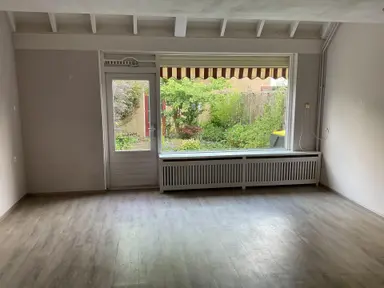
The people who land here are typically families who want a detached house with a garden at a price that Rotterdam's southern districts no longer offer, or long-term residents who grew up on the island and prefer to stay. You will not find a student crowd or a buzzy co-working scene; what you will find is a stable, low-turnover rental stock where houses make up the bulk of the market. Browse current listings on RentHunter to get a live sense of what is available across both houses and apartments.
Houses dominate, apartments are scarce
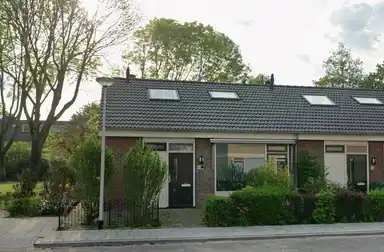
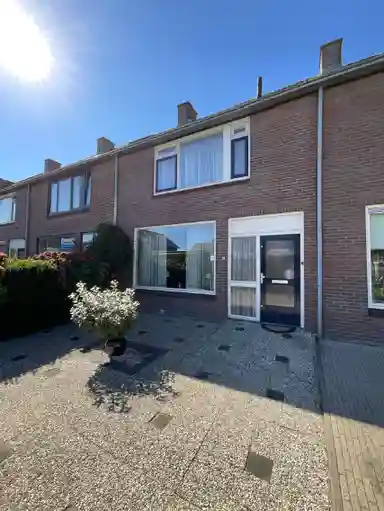
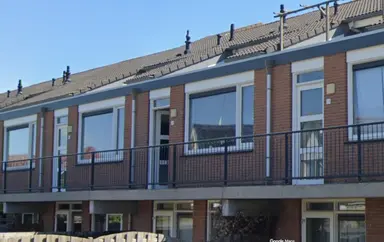
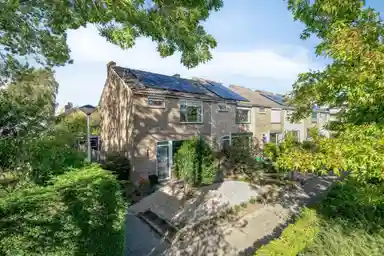
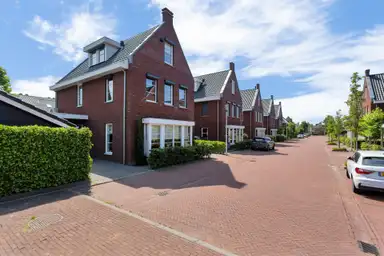
- Houses: the default choice hereSingle-family houses, both terraced and detached, make up the vast majority of rentals in Hoeksche Waard. Most are located in quiet residential streets across the five main towns, with gardens standard rather than exceptional. They suit families and couples who need more floor space than an apartment can give. See houses for rent in Hoeksche Waard for the current listings.
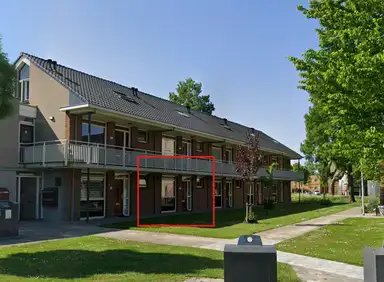
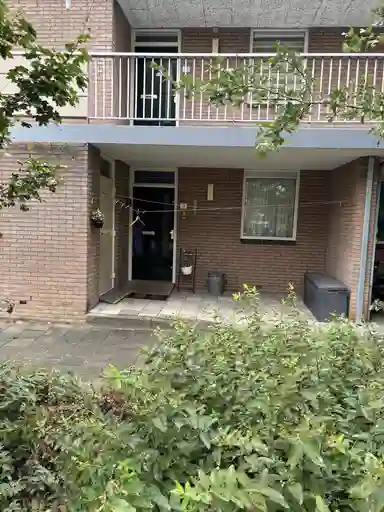
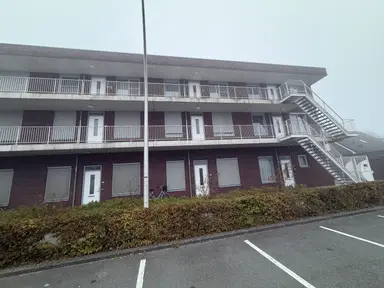
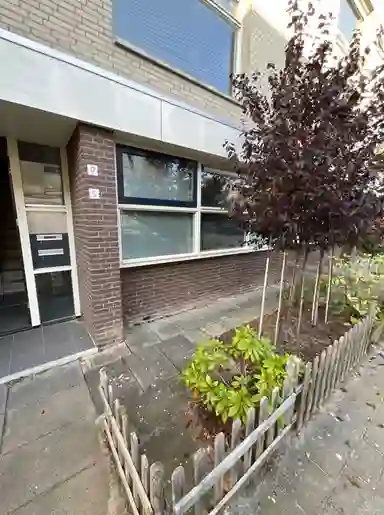
- Apartments: limited but present in Oud-BeijerlandApartments in Hoeksche Waard are concentrated mainly in Oud-Beijerland, the municipality's largest town and commercial center. Supply is thin compared to any city, so availability can be unpredictable. These are typically compact two- or three-room units suited to singles or couples without children. Check apartments in Hoeksche Waard for what is currently on the market.
Island life: polders, markets, and quiet roads
Living in Hoeksche Waard is a particular kind of Zuid-Holland experience. The island sits inside a ring of tidal creeks and agricultural polders; on a clear morning you can see Rotterdam's crane skyline from the dike roads north of Heinenoord. The pace of daily life in the main towns is unhurried: Oud-Beijerland has the highest concentration of shops, a Saturday market on the Ouddorpseweg side of the Markt, and enough amenities for practical everyday needs without requiring a trip to the city.
Most residents own a car, and the road infrastructure reflects that. Cycling between towns is possible on dedicated fietsroutes, but the distances between Numansdorp and Strijen, for example, are real cycling distances, not a city commute. What the island gives back is living space: gardens, quiet streets, and a sense that the weekends belong to you rather than to the traffic.
Nature and recreation on the island
The dike paths along the Oude Maas and Haringvliet are genuinely good for cycling and walking: long, flat, and quiet outside summer weekends. The Bernisse recreational area in the northwest offers swimming lakes and forests, unusual for this part of Zuid-Holland. If you rent here with children, the outdoor space becomes a real asset rather than a marketing point. Weekend trips to the beach at Rockanje are feasible by car in under 40 minutes.
Renting without a car is genuinely difficult here:
Public transit in Hoeksche Waard is functional but infrequent. Bus lines connect the main towns to Spijkenisse (where you access the Rotterdam metro) and to Barendrecht, but evening and Sunday frequencies are low. If you do not own a car, factor in a realistic transit budget and check the bus stop nearest to any listing before signing. Properties in Klaaswaal or Strijen are particularly reliant on private transport.
Commuting from Hoeksche Waard
Hoeksche Waard's location as an island municipality means every commute involves crossing water, either over the Kiltunnel (toll tunnel, toll applies to cars) or via the A29 bridge at Heinenoord. Road connections to Rotterdam are reasonable in off-peak hours; peak-hour traffic toward Rotterdam on the N217 and A29 can add significant time. Public transit times are consistently longer than the road would suggest, because the island has no train station of its own.
Rotterdam: ~65 min, the main destination
Rotterdam at around 65 minutes by public transit is the primary reason most renters in Hoeksche Waard accept the commute. By car in the early morning the trip can be under 40 minutes, but that is not guaranteed. Rotterdam's port, logistics, and healthcare sectors are the main employers drawing residents across the Oude Maas. If you work in Rotterdam and want to live with a garden and more floor space, this is the trade-off many families make.
Delft and Den Haag: 90+ min, doable for some roles
Den Haag at around 98 minutes by public transit is a long daily commute. Delft sits between Rotterdam and Den Haag and is roughly in the same travel-time band, accessible via Barendrecht or Spijkenisse and then by train. These commutes are realistic only for part-time schedules or hybrid-work arrangements, not for five-days-a-week office attendance. The rental savings compared to renting in Delft or Den Haag can be significant, but the daily time cost needs to be weighed honestly.
Breda and the south: 149+ min by transit
Commuting to Breda or points further south by public transit from Hoeksche Waard takes 149 minutes or more, which effectively rules out a daily transit commute. By car via the A29 and A16 the journey is far shorter, but the transit option is not workable for a regular schedule. If your employer is in Breda or Eindhoven and you do not drive, Hoeksche Waard is not the right base.
Dal-uren can reduce the cost of bus connections:
If you use OV-chipkaart and travel to Rotterdam or beyond, check whether you qualify for NS dal-uren (off-peak discount) on the train leg of your journey. The Hoeksche Waard bus connections feed into the national rail network at Barendrecht, Spijkenisse, and Dordrecht. Combining a bus and train trip daily can add up quickly, so an NS Flex subscription or a route-optimized abonnement is worth calculating before you commit to a listing far from the bus route.
Renter questions about Hoeksche Waard
Is the rental market in Hoeksche Waard competitive, or is there reasonable availability?
Compared to Rotterdam or Den Haag, the Hoeksche Waard rental market sees lower absolute volume and less frantic competition. Listings do not disappear in hours the way student-city rooms do. That said, good-value houses with gardens are snapped up quickly because they appeal to a specific group of families moving out from Rotterdam's southern districts. Apartments have the thinnest supply and are the segment most likely to attract multiple serious inquiries within a few days.
Which towns in Hoeksche Waard have the most rental listings?
Oud-Beijerland consistently carries the highest share of rental listings in the municipality, as the largest town with the most amenities, including a weekly market on the Markt square and the widest concentration of shops. Numansdorp comes second, particularly for house rentals. Strijen and Klaaswaal have fewer listings and are quieter; Heinenoord sits nearest to the A29 bridge and can be practical for car commuters despite its smaller size.
Are rental prices in Hoeksche Waard lower than in nearby Rotterdam suburbs?
Generally yes, particularly for houses. A family house with a garden that would command a high rent in Barendrecht or Spijkenisse is typically available at a lower price point in Oud-Beijerland or Numansdorp. The trade-off is the additional commute time and the greater car dependency. For apartments the gap is narrower, since apartment supply in Hoeksche Waard is thin enough that scarcity keeps prices from falling far below mainland levels.
Do landlords in Hoeksche Waard require a minimum income or guarantor?
Most private landlords in Hoeksche Waard follow the same screening norms as across the Netherlands: a gross monthly income of 3 to 3.5 times the rent is the common benchmark, along with a recent payslip, employment contract, and ID. For houses at higher rent levels, some landlords require a deposit of two months rather than one. Woningcorporaties operating in the area (such as Woonkracht10 and Trivire) have their own income-ceiling criteria tied to the social housing allocation system, applicable to social-sector properties.
Is short-term rental realistic in Hoeksche Waard, or mainly long-term contracts?
Short-term furnished rentals are rare in Hoeksche Waard. The market is built around long-term unfurnished contracts, typically starting at 12 months, because the renter profile here is families and settled residents rather than expats or people on temporary assignments. If you need a short-term furnished rental in the region, Rotterdam's housing market offers far more options in that segment. For anyone planning a permanent or semi-permanent move, long-term contracts in Hoeksche Waard are standard and negotiable.