Apartments, rooms and studios for rent in Wassenaar


Stop refreshing, get daily matches
Stop refreshing, get daily matches
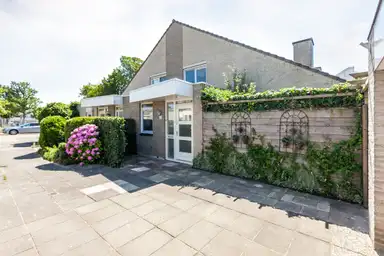
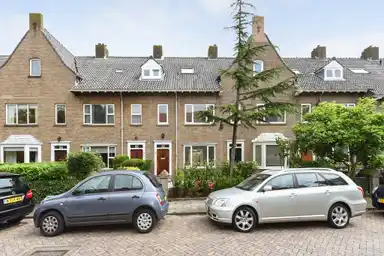
Wassenaar at €3,442: the affluent commuter choice
Wassenaar occupies a unique niche in Zuid-Holland's rental market: 33% more expensive than Den Haag, yet firmly planted in the commuter belt. Based on over 1,000 listings tracked on RentHunter, the average rent reaches €3,442 across a generous 175 m² average. This makes Wassenaar the premium suburban option for renters who prioritize space and gardens over walking-distance amenities.
The numbers tell a clear story. Houses dominate with 66% of the rental stock at €4,197 monthly, while apartments fill the remaining 29% at €2,167. Nearly half the properties include gardens, and 43% offer parking spaces, reflecting Wassenaar's car-oriented suburban character. The 21-minute commute to Den Haag by public transit anchors most rental decisions here.
The premium suburban equation
Wassenaar's rental proposition is straightforward: pay more, get significantly more space. At €3,442 average rent versus Den Haag's €3,151, you're paying €291 extra monthly for an average of 175 m² versus the city's typical cramped quarters. The 21-minute commute to Den Haag becomes acceptable when you factor in the 49% garden rate and suburban parking availability.
This equation works best for established professionals who've outgrown shared housing and city apartments, families seeking more space before buying, and remote workers who only commute 2-3 days weekly. The demographic skews older and more affluent than typical Dutch rental markets, reflected in the low 28% furnished rate and minimal student presence.
Houses rule: 66% of Wassenaar rentals
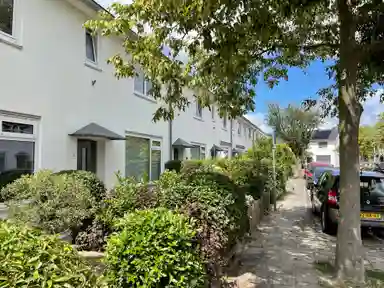
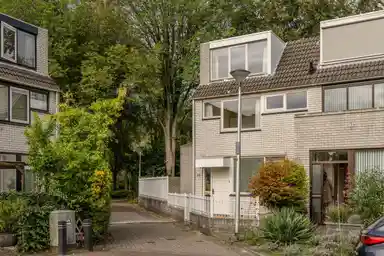
Wassenaar's rental market reflects its suburban character through accommodation types. Single-family houses dominate the landscape, accounting for two-thirds of all rentals, while apartments fill the supporting role primarily in newer developments near the village center.
Houses: the premium suburban standard (66%)
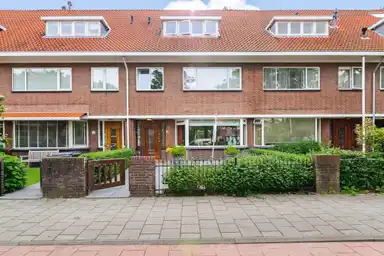
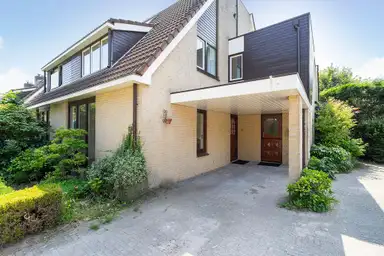
With 685 tracked listings averaging €4,197 monthly across 214 m², houses in Wassenaar represent the core of the rental market. These typically include front and back gardens, dedicated parking, and the space suburban families seek. Most date from the post-war housing boom, featuring the practical layouts and larger rooms that make the commute worthwhile.
The house segment attracts established renters willing to pay premium prices for suburban comfort. Many properties include garages or covered parking, essential given Wassenaar's car-dependent layout and limited public transport frequency outside peak hours.
Apartments: the accessible entry point (29%)
The 299 apartments in Wassenaar average €2,167 monthly across 109 m², offering a more accessible entry point to the municipality's rental market. Most cluster around the Lange Voorhout area and newer developments near the village center, where smaller buildings integrate with the low-rise suburban character.
Apartments here serve young professionals who want Wassenaar's address and commuting convenience without the full suburban commitment. Many include balconies rather than gardens, and parking is typically shared rather than private. The segment bridges the gap between urban living and full suburban life, appealing to couples planning their next housing step.
Areas and family neighborhoods
- Village center around Lange VoorhoutThe historic core combines village amenities with the best public transport access. Most rental apartments cluster here in low-rise buildings, while some converted manor houses offer unique rental opportunities. The area maintains a village feel with local shops, cafés, and the weekly market, yet provides easy bus connections to Wassenaar's train stations.
- Rijksstraatweg corridor for commutersThe main artery toward Den Haag hosts newer apartment complexes and family houses with practical access to both the A44 highway and bus routes. This area attracts professionals who prioritize commuting efficiency over village charm. Properties here typically include parking and are designed for modern family living with larger rooms and integrated storage.
- Residential estates near ClingendaelThe premium residential area near the famous Japanese garden attracts families seeking maximum space and privacy. Large detached houses dominate, many with substantial gardens and multiple parking spaces. This zone commands the highest rents but offers the full suburban lifestyle that justifies Wassenaar's reputation as Den Haag's affluent satellite.
- Station areas for easy Den Haag accessProperties within cycling distance of Den Haag HS or Voorschoten stations offer the best commuting balance. Mixed housing types serve professionals who want suburban space but need reliable public transport. These areas feature practical family houses with modest gardens, appealing to renters who commute daily but value the quieter evening environment Wassenaar provides.
Commuting from Wassenaar
Wassenaar's appeal centers on its proximity to major employment centers while maintaining suburban tranquility. The municipality relies on bus connections to nearby train stations, with most commutes requiring one transfer to reach the Randstad's main cities.
Den Haag (21 minutes): the primary commute
The 21-minute journey to Den Haag via bus connection makes this the natural commute for most Wassenaar renters. Bus 24 runs frequently to Den Haag Centraal, while bus 43 serves Den Haag HS station. Both routes operate every 15 minutes during peak hours, providing reliable access to government jobs, international organizations, and the broader Randstad rail network.
Leiden (via train, flexible timing)
Commuting to Leiden requires a bus transfer to Voorschoten station, then a direct train connection. The total journey averages 35-40 minutes, making this viable for university staff, medical professionals at LUMC, or those with flexible schedules. This route offers more scenic variety than the Den Haag commute, passing through Zuid-Holland's characteristic polder landscape.
Beyond the region: Amsterdam and Utrecht:
Commuting to Amsterdam (70 minutes) or Utrecht (62 minutes) from Wassenaar involves multiple transfers and represents a significant daily time investment. Consider these commutes only for specialized positions, higher salaries that offset the rental premium, or flexible work arrangements. Many such commuters eventually relocate closer to their workplace or negotiate remote-hybrid schedules.
Wassenaar rental questions
Is Wassenaar worth the premium over Den Haag?
At €291 more monthly than Den Haag average, Wassenaar delivers significantly more space (175 m² vs typical city apartments), 49% garden access, and suburban parking. The 21-minute commute makes this worthwhile for families, remote workers, and professionals who value quiet evenings over urban amenities. Consider your commuting frequency and space priorities.
How car-dependent is living in Wassenaar?
Moderately car-dependent. While 43% of rentals include parking, public transport covers commuting needs with buses to Den Haag every 15 minutes. Daily errands like grocery shopping benefit from a car, especially for families. Many residents cycle for local trips and use buses for Den Haag commutes, keeping cars for evenings and weekends.
What's the competition like for Wassenaar rentals?
Less frenzied than Amsterdam or Den Haag center, but still competitive for the best properties. Families and established professionals form the main competition, often with higher budgets than typical city renters. Prepare complete applications, proof of stable income, and be ready to decide quickly. Properties with gardens and parking disappear fastest.
Are there good options for families with children in Wassenaar?
Excellent for families. The 49% garden rate, spacious houses averaging 214 m², and quiet suburban streets create an ideal environment for children. Local schools serve all age groups, and the proximity to both Den Haag and Delft provides access to international schools and specialized programs. Many rentals include parking for family logistics.