Apartments, rooms and studios for rent in 's Hertogenbosch
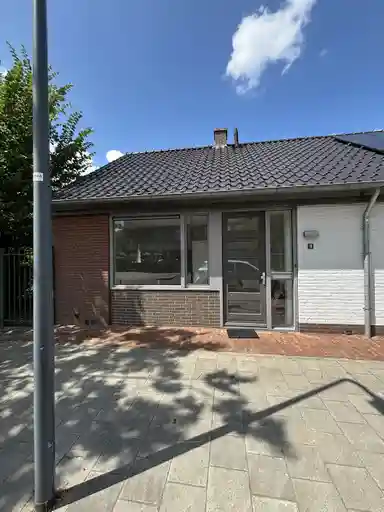
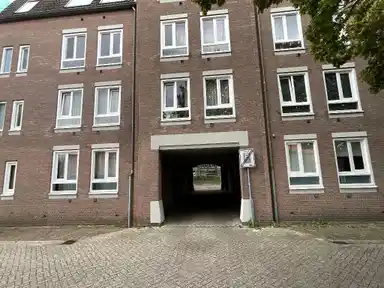
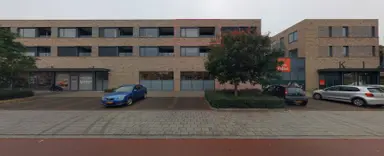
Apartment, 's-hertogenbosch
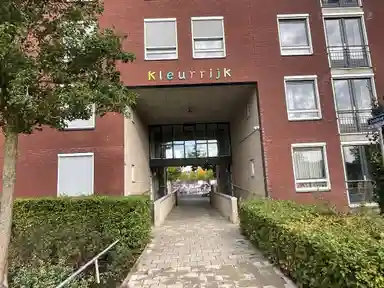

Stop refreshing, get daily matches
Stop refreshing, get daily matches
's Hertogenbosch at €1,230: the Noord-Brabant premium
Imagine cycling from your apartment in Binnenstad to the Saturday market at Grote Markt, past the Gothic cathedral that gives this city its character. 's Hertogenbosch commands a premium in Noord-Brabant's rental landscape, running 18% higher than neighboring Tilburg while delivering the infrastructure of a true regional capital.
This isn't Utrecht pricing with Utrecht salaries. Den Bosch, as locals call it, sits at the crossroads between Randstad commuter towns and Brabant's industrial heartland. The result is a rental market shaped by both daily commuters heading north and local professionals who choose regional quality of life over metropolitan pace. Based on listings tracked on RentHunter, the average rent hovers around €1,230 monthly, reflecting the city's role as Noord-Brabant's administrative and cultural hub.
The market moves differently here than in student-heavy cities. September doesn't bring the usual scramble, and hospiteeravond culture is less entrenched. Instead, you're competing with established professionals, young families, and commuters who've discovered that 25 minutes to either Utrecht or Eindhoven opens up career options without sacrificing small-city livability.
Regional capital pricing dynamics
The €1,230 average reflects 's Hertogenbosch's position as Noord-Brabant's administrative center, where provincial government offices and regional corporate headquarters create steady rental demand. This translates to 18% higher costs than Tilburg, though the premium buys access to better public transport links and a more diverse job market.
Unlike university towns where student budgets cap rental growth, Den Bosch's professional tenant base supports higher price points. The city's compact size means most rentals fall within cycling distance of both the historic center and the modern business districts around the train station. Parking spaces command premiums here, with many older buildings in Binnenstad lacking dedicated spots.
The rental stock splits between converted canal houses in the historic core and purpose-built apartments in newer developments like Maaspoort. Gardens are more common than in dense Randstad cities, reflecting Brabant's suburban character, though this often pushes monthly costs beyond the regional average.
Accommodation types: professionals drive diversity
's Hertogenbosch's professional tenant base creates demand across all accommodation types, from young commuters seeking studios to established families wanting full houses with gardens.
Houses: family-focused market
Houses in 's Hertogenbosch serve the city's substantial family demographic, particularly in neighborhoods like Maaspoort and areas south of the Aa river. These properties typically include gardens and parking, essential features for households choosing Den Bosch over Randstad alternatives. Pricing reflects the premium for space and suburban amenities within commuting distance of major employment centers.
Apartments: the professional standard
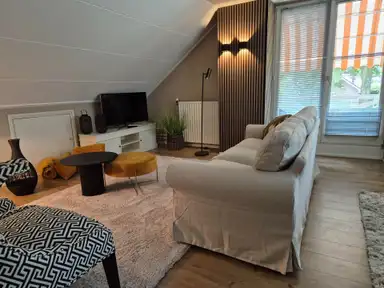
Apartments in 's Hertogenbosch form the backbone of the city's rental market, split between historic conversions in Binnenstad and modern complexes near the station. Professional tenants drive steady demand for one and two-bedroom units, particularly those with balconies and allocated parking. The market shows less seasonal volatility than university cities, with turnover driven by career moves rather than academic calendars.
Studios: starter professional housing
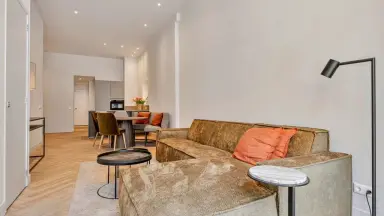
Studios in 's Hertogenbosch cater to young professionals beginning their careers or commuters seeking efficient spaces. These compact units cluster around the train station and in converted buildings throughout Binnenstad. Unlike student-focused studio markets, Den Bosch studios target working adults who value location and commuter connectivity over size. Many include modern finishes and integrated kitchens designed for professional lifestyles.
Rooms: limited but competitive
Rooms in 's Hertogenbosch represent the smallest segment of the market, primarily serving budget-conscious young professionals and the limited student population at local institutions. Without a major university driving demand, room-sharing culture is less developed than in cities like Eindhoven or Utrecht. Most shared houses cluster in older residential areas where larger properties can accommodate multiple tenants economically.
Neighborhoods: from historic center to family suburbs
's Hertogenbosch divides into distinct residential zones, each serving different tenant demographics and lifestyle preferences.
Binnenstad: canal house conversions
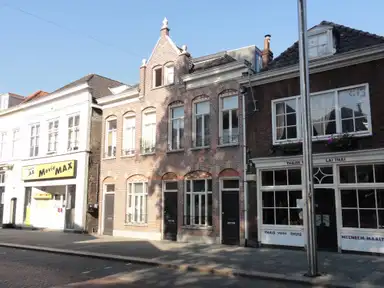
The historic heart of Den Bosch offers converted canal houses and heritage buildings turned into modern apartments. Living here means walking distance to the Saturday market at Grote Markt, the Gothic Sint-Janskathedraal, and the traditional brown cafés along Korte Putstraat. Parking remains challenging in these narrow medieval streets, making these rentals particularly attractive to public transport users and cycling enthusiasts. The trade-off comes in higher rents and limited storage space in properties constrained by historic building regulations.
Maaspoort: modern family developments
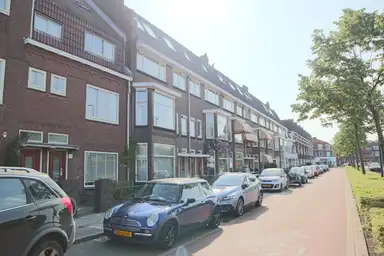
This planned district south of the Aa river represents Den Bosch's suburban expansion, featuring modern apartment blocks and family houses built from the 1970s onward. Maaspoort attracts families and professionals seeking parking, gardens, and proximity to schools while maintaining reasonable cycling distance to the center. The neighborhood includes shopping centers and sports facilities, creating a self-contained residential environment. Many rental properties here offer the space and amenities that historic center conversions cannot match.
Station area: commuter convenience
The neighborhoods surrounding Den Bosch Centraal station have transformed into a modern business district with high-rise apartment buildings and office complexes. This area serves commuters heading to Utrecht, Eindhoven, or Amsterdam, offering direct access to train platforms and extensive bicycle parking. New construction here prioritizes efficiency over character, with many rentals featuring contemporary designs and integrated parking. The trade-off is urban density and traffic noise, balanced against unmatched transit connectivity.
Commuting from 's Hertogenbosch
Den Bosch's central location in Noord-Brabant creates excellent connectivity to major employment centers throughout the Netherlands, making it a strategic choice for career-minded renters.
Utrecht (25 minutes)
The most popular commute from Den Bosch targets Utrecht's massive job market, from multinationals in Papendorp to the university and healthcare sectors. Direct trains run every 15 minutes during peak hours, making the 25-minute journey manageable for daily commuting. Many Den Bosch residents find this combination delivers Utrecht career opportunities without Utrecht housing costs or urban density. The early morning trains fill with suited professionals heading north.
Eindhoven (25 minutes)
Equally convenient access to Eindhoven's technology corridor makes Den Bosch attractive to engineers and tech professionals. The 25-minute direct connection serves workers at ASML, Philips, and the growing startup ecosystem around Eindhoven University of Technology. This commute runs counter to typical north-south flows, often providing more comfortable seating and reliable timing. Eindhoven's higher salaries can justify Den Bosch's rental premium while avoiding Eindhoven's tighter housing market.
Amsterdam and Rotterdam access
While 55 minutes to Amsterdam and 50 minutes to Rotterdam push the boundaries of comfortable daily commuting, many Den Bosch residents use these connections for occasional office days or hybrid work arrangements. The relatively affordable housing costs in 's Hertogenbosch can offset longer commute times for professionals who don't need daily office presence. Regular travelers benefit from the direct lines and frequent service, though the journey length makes Breda more practical for Randstad-focused careers.
Frequently asked questions
Why is 's Hertogenbosch more expensive than other Brabant cities?
Den Bosch functions as Noord-Brabant's capital, hosting provincial government offices and regional corporate headquarters that create stable, high-paying job demand. This professional tenant base supports higher rents than cities like Tilburg or Breda. Additionally, the excellent train connections to Utrecht and Eindhoven make it attractive to commuters willing to pay extra for regional quality of life with metropolitan career access.
Is parking included with most rentals in 's Hertogenbosch?
Parking availability depends heavily on location and property age. Modern developments in Maaspoort and around the station typically include designated parking spaces, while historic canal houses in Binnenstad often lack dedicated spots. Street parking in the center requires permits and can be competitive. Many professional tenants factor parking costs into their rental budgets, as car ownership remains common for commuting and regional travel despite good public transport links.
How competitive is the rental market compared to student cities?
Den Bosch rental competition operates differently than university cities, with less seasonal volatility but steady year-round pressure. Professional tenants typically view properties more deliberately and have longer decision timelines than students scrambling for September housing. However, good properties still move quickly, particularly those with parking near train connections. The market rewards preparation and quick responses, though it lacks the September panic characteristic of student-dominated cities.
What salary range works for renting in 's Hertogenbosch?
Following Dutch rental income requirements, you need gross monthly income of approximately €3,700-€4,100 to qualify for properties around the €1,230 average. This aligns with starting professional salaries in government, healthcare, and business services sectors prominent in Den Bosch. Young professionals often begin with studio apartments or shared arrangements before moving to larger spaces as their careers advance. The regional job market can support these income levels, particularly for commuters accessing Utrecht or Eindhoven opportunities.