Apartments, rooms and studios for rent in Assen

Stop refreshing, get daily matches
Stop refreshing, get daily matches
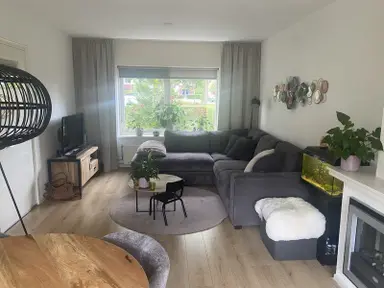
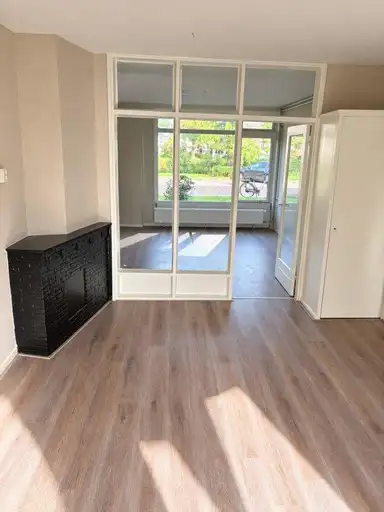
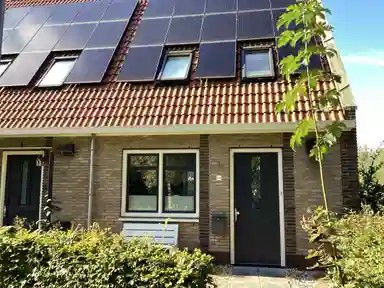
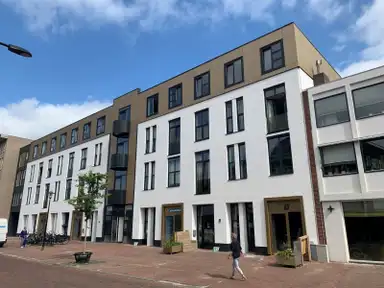
Assen at €872: Drenthe's affordable hub
Imagine cycling from your apartment near Kloosterstraat to the Saturday market at Brink, passing the provincial government buildings that anchor Assen's role as Drenthe's capital. This is rental life in a city that balances regional importance with small-town accessibility.
Based on over 1,400 listings tracked on RentHunter, Assen delivers something increasingly rare in the Netherlands: genuine affordability without sacrificing connectivity. At an average of €872 monthly across all accommodation types, it runs 27% cheaper than nearby Groningen, while maintaining direct train links that put Amsterdam just 94 minutes away.
The rental stock reflects Assen's character as a government town with growing commuter appeal. Apartments dominate at 65% of the market, but unlike student cities, nearly a fifth come with garden access and parking options remain available at reasonable rates.
Market dynamics: the commuter premium
Assen's rental market operates on a different rhythm than university towns. Peak demand hits in spring and early autumn when government jobs cycle and families relocate, not September's student rush. The city's 67,551 residents create steady year-round demand, with registration possible in 73% of listings indicating a legitimate, stable market rather than grey-area subletting.
The numbers tell a story of practical living over lifestyle positioning. Average units span 64 m², generous by Dutch standards, while deposits average just 0.57 months compared to Amsterdam's typical two-month requirements. Only 14% of properties come furnished, reflecting longer-term residents who bring their own belongings rather than temporary renters seeking turnkey solutions.
Parking availability at 19% of listings signals Assen's car-friendly culture, essential for reaching smaller Drenthe towns not served by public transport. Garden access in 19% of properties speaks to the space that draws families from pricier urban centers, while balconies in 22% offer outdoor living within walking distance of the provincial courthouse and nearby Drents Museum.
Accommodation breakdown: apartments lead (65%)
Assen's rental composition reflects its role as a regional government center where civil servants and commuters seek practical, long-term housing. The market splits clearly between mid-range apartments for professionals and family houses for those prioritizing space over proximity to nightlife.
Apartments (65% of market)
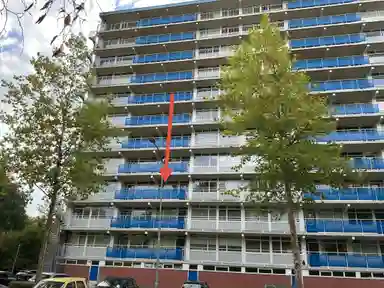
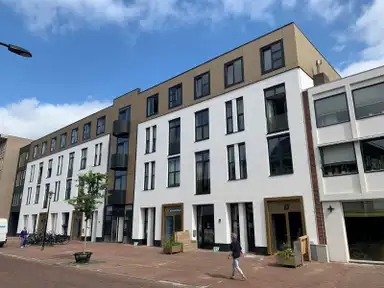
The dominant housing type, averaging €904 monthly for 61 m² spaces. Most cluster around the center within cycling distance of provincial offices, offering balcony access in over a quarter of units. Apartments in Assen attract professionals who value location over square footage, particularly those commuting to Groningen or working in local government positions.
Houses (19% of market)
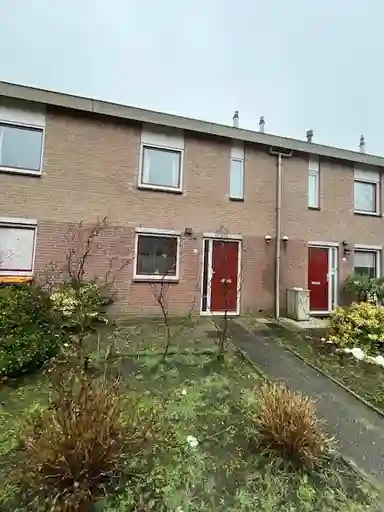
Family-focused rental options averaging €1,051 for generous 106 m² layouts, often including gardens and parking spaces. Houses in Assen concentrate in residential neighborhoods like Peelo and Marsdijk, drawing families who want small-town living with big-city access. The premium over apartments reflects the space and privacy that families with children prioritize.
Studios and rooms (14% combined)
Studios average €666 for 26 m² of independence, while shared rooms run €443 for 18 m². Unlike student cities, both segments cater to working singles and recent graduates starting careers in provincial administration or commuting to larger cities. The limited student market (6% of all listings) keeps competition manageable compared to university towns.
Living areas: from historic Brink to family Peelo
Assen's neighborhoods reflect distinct lifestyle choices rather than student-versus-professional divisions. The historic center attracts convenience-seekers, while family areas offer space and tranquility within easy reach of schools and green spaces.
City center around Brink square
Prime location for professionals working in provincial offices or preferring walkable access to shopping and dining. Apartments here command premium rates but deliver convenience, with the Saturday market, Drents Museum, and main shopping streets all within a few blocks. Parking can be challenging, making this area ideal for those who rely on cycling and public transport.
Peelo: family suburbia with space
Northeast of the center, Peelo offers the houses with gardens that draw families from more expensive regions. Developed primarily in the 1970s and 1980s, the area features quiet residential streets with easy access to primary schools and the recreation areas around Assermeer. Most properties include parking, essential for families juggling work commutes and school runs.
Station area: commuter convenience
Mixed apartments and small houses attract professionals commuting to Groningen or beyond. The area around Stationsstraat offers practical living with bike parking, bus connections, and proximity to the NS intercity services that make Assen viable for regional commuting patterns.
Commuting from Assen
Assen's central position in Drenthe and direct rail connections make it surprisingly accessible for regional commuting. The city serves both as a destination for rural Drenthe workers and a launch point for professionals heading to larger urban centers.
Groningen (14 minutes)
The closest major employment center, accessible via frequent intercity services. Many Assen residents work in Groningen's university, hospital, or energy sectors while enjoying 27% lower housing costs. The short commute makes this one of the Netherlands' most practical rent-arbitrage opportunities, especially for professionals in Groningen who can't justify the premium prices there.
Amsterdam and Utrecht connections
Direct trains reach Amsterdam in 94 minutes and Utrecht in 83 minutes, making Assen viable for professionals in banking, tech, or consulting who travel occasionally rather than daily. The journey length suits flexible work arrangements or roles requiring regional travel rather than office-based routines. For comparison, similar commute times from Zwolle cost significantly more in housing.
Regional connectivity beyond the Randstad
Assen's location also provides access to eastern employment centers. Enschede reaches within reasonable driving distance for tech professionals, while the surrounding Drenthe municipalities offer government and agricultural sector opportunities that many urban-based workers overlook. The A28 highway facilitates car commuting when public transport doesn't serve specific industrial areas.
Frequently asked questions
How does Assen's rental market compare to other Drenthe cities?
As the provincial capital, Assen commands premium rents within Drenthe but remains affordable compared to national averages. The city offers the region's largest selection of apartments and professional services, justifying slightly higher costs than smaller Drenthe towns while delivering significantly better connectivity and amenities.
Is Assen suitable for families with children?
Absolutely. Nearly 20% of rental properties include garden access, and neighborhoods like Peelo offer family-friendly environments with primary schools, playgrounds, and green spaces. The city's size ensures short travel times to amenities while maintaining a safe, community-oriented atmosphere that appeals to parents seeking alternatives to urban pressure.
What makes Assen different from typical student cities?
Only 6% of Assen's rental listings target students, creating a more balanced tenant mix focused on working professionals and families. This means less rental market volatility, higher rates of furnished apartments, and neighborhood dynamics driven by long-term residents rather than academic calendar pressures. The rental market operates year-round rather than spiking in September.
How reliable is public transport from Assen for commuting?
Very reliable for major destinations. The NS intercity service to Groningen runs every 30 minutes with excellent punctuality, while connections to Amsterdam and Utrecht operate hourly with direct routing. Regional bus services cover smaller Drenthe towns, though frequency decreases for rural destinations. Most commuters supplement public transport with cycling for first/last mile connectivity.