Apartments, rooms and studios for rent in Baarle nassau
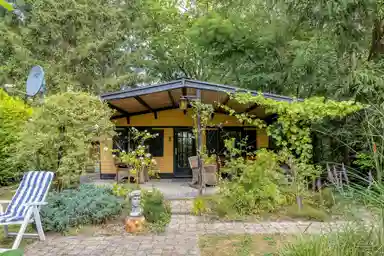
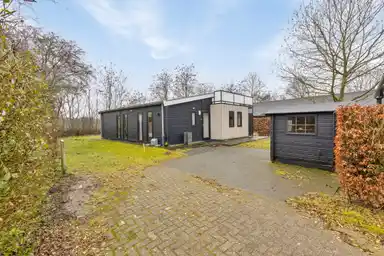
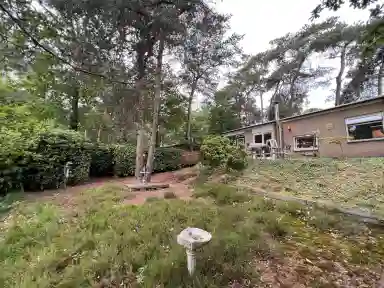
Nearby listings
Listings in neighboring areas that might interest you.
Within 15 km
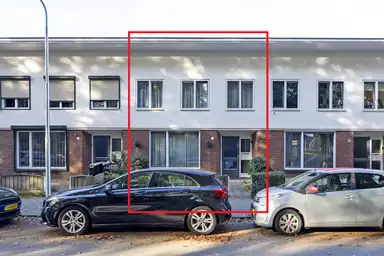
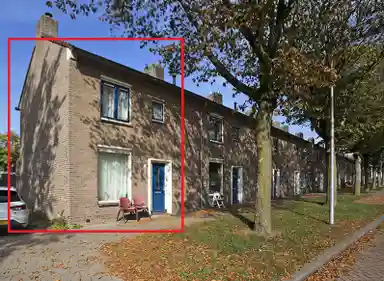

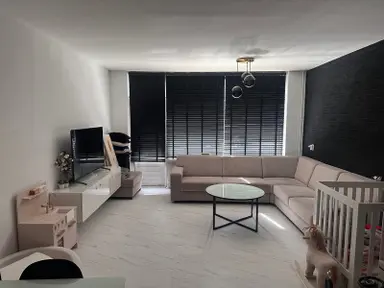
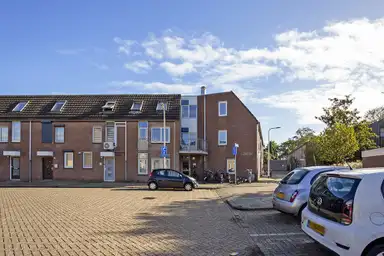
Border quirks and quiet living
Baarle Nassau sits at one of Europe's most unusual borders, where Dutch and Belgian territories weave together in a patchwork of enclaves. This Noord-Brabant village draws a specific type of renter: those seeking genuine quiet, affordable space, and the novelty of having Belgium literally next door. The rental market reflects this character with mostly houses and family-sized accommodations.
Based on RentHunter data, the typical rental here runs €800-1,200 per month for a house, making it attractive for families leaving expensive city markets. The border position means some properties technically sit in Belgium (Baarle Hertog), creating interesting administrative quirks for rental contracts and utilities.
Limited but affordable stock
- Houses dominate the marketMost rentals are standalone houses ranging from €800-1,200 monthly, typically including gardens and parking. Houses in Baarle Nassau offer genuine space for families escaping city prices, though the selection remains limited given the village size.
- Border complications add interestSome properties technically sit in Belgian enclaves, meaning different tax rules, utility providers, and even postal systems. Landlords usually handle these administrative quirks, but renters should clarify which country's regulations apply to their specific address during viewings.
- Apartments are rare findsThe village has minimal apartment stock, with most multi-unit buildings concentrated near the central shopping area around Nieuwstraat. When available, these typically rent for €600-900 monthly, appealing to singles or couples who want border-town character without house maintenance responsibilities.
Village life with border intrigue
Living in Baarle Nassau means embracing genuine small-town pace while navigating one of Europe's most complex borders.
Two countries, one community
The border weaves through the village center, creating surreal moments where you shop in Belgium, live in the Netherlands, and cross international lines walking to the post office. Locals treat this as normal daily life, but newcomers find the administrative maze fascinating. Thursday market on Singel draws vendors from both sides, creating a genuinely international village atmosphere.
Peaceful rural Noord-Brabant
Beyond the border curiosity, this is classic Brabant countryside with cycling paths through pine forests, quiet village streets, and the slower pace that draws city families seeking space. De Chaamse Bossen nature area offers hiking trails minutes from the village center, while local cafés like those around the Kerkstraat maintain traditional brown café culture where Dutch and Belgian neighbors mingle naturally.
Double shopping, single community:
Some shops accept both euros and Belgian VAT rates, creating unique pricing situations. The village effectively functions as one community despite being split between two tax systems. This creates both conveniences (more shopping options) and complications (different opening hours on national holidays).
Commuting from Baarle Nassau
Baarle Nassau requires commitment to car-dependent living, with limited public transit connections to major employment centers.
Tilburg (30 minutes)
The closest major city, reachable by bus 133 to Tilburg station, then onward rail connections. Tilburg offers more rental variety and job opportunities, but Baarle Nassau residents often prefer the space and quiet despite the commute complexity.
Breda (45 minutes)
Bus connections via Alphen-Chaam make Breda accessible for work, though few Baarle Nassau residents attempt daily commuting this far. The journey requires planning around limited weekend service and involves at least one transfer.
's-Hertogenbosch (75 minutes)
The provincial capital requires multiple transfers and careful timing, making it impractical for daily commuting. 's-Hertogenbosch serves better as an occasional destination for regional government services or major shopping than as a workplace for Baarle Nassau residents.
Car dependency reality:
Most Baarle Nassau residents own cars for grocery shopping, work commutes, and accessing services unavailable in the village. Factor parking and fuel costs into your housing budget. The village center has free parking, but Belgian fuel stations sometimes offer better prices just across the border.
FAQ
Do I need to worry about border rules when renting?
Most properties in Baarle Nassau proper follow Dutch rental law, but some addresses technically sit in Belgian enclaves (Baarle Hertog). Your landlord should clarify which country's regulations apply to utilities, taxes, and postal services. This mainly affects administrative details, not your actual rental experience.
Is Baarle Nassau suitable without a car?
Very challenging. The village has basic shops and cafés for daily needs, but limited public transport means accessing services, employment, or major shopping requires careful planning. Bus 133 connects to Tilburg, but service is infrequent. Consider this location only if you can arrange car access or work remotely.
What makes the rental market unique here?
The border creates administrative complexity but also opportunity. Some Belgian properties offer different utility rates or tax structures. The rental stock focuses heavily on family houses rather than apartments, reflecting the village's character as a quiet retreat rather than an urban hub. Expect longer viewing processes as properties are rare.
How does cross-border shopping affect daily life?
It adds convenience and complexity in equal measure. You can comparison shop between Dutch and Belgian stores, sometimes finding better prices on fuel, tobacco, or specific groceries. However, different opening hours on national holidays can be confusing, and some services are split between the two systems. Most residents adapt quickly and appreciate the variety.