Apartments, rooms and studios for rent in Bloemendaal
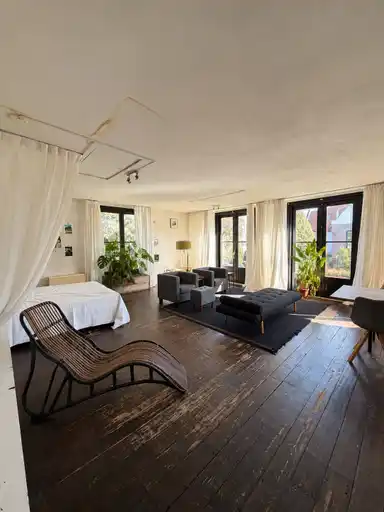
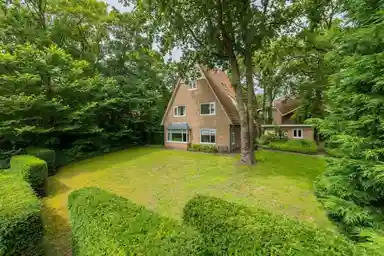

Stop refreshing, get daily matches
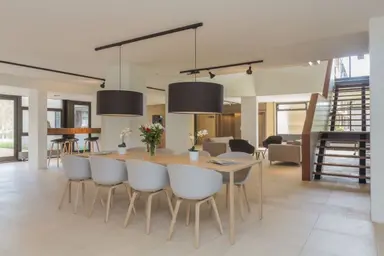
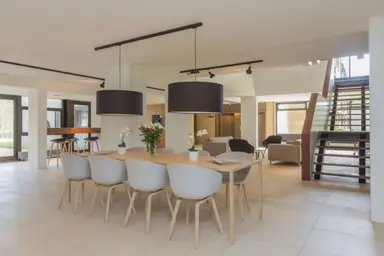
Stop refreshing, get daily matches

Bloemendaal at €2,719: suburban premium living
Bloemendaal operates on a different rental scale from most Dutch towns. Based on over 100 listings tracked on RentHunter, the average rent sits at €2,719 monthly for properties averaging 133 m² in surface. This places Bloemendaal 13% above nearby Haarlem, reflecting its position as Noord-Holland's preferred residential escape.
Most renters here are families or professionals seeking space and greenery within Amsterdam's orbit. The villa-heavy Kennemerland landscape means larger properties dominate, with houses commanding €3,739 on average compared to apartments at €2,201. Parking comes standard in 35% of listings, gardens in 44%, signaling a car-friendly suburban market built for family life rather than urban convenience.
Apartments lead (60% of market)
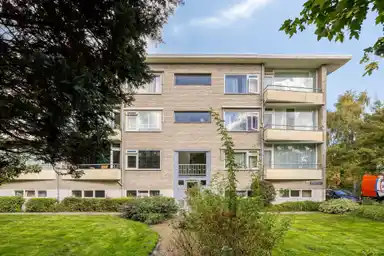
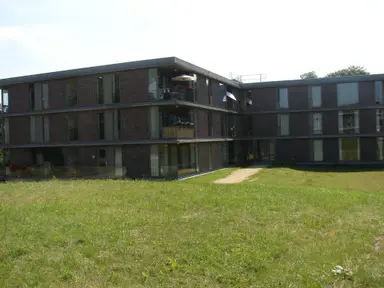
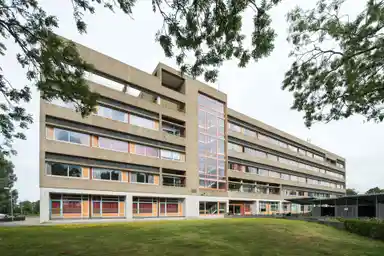
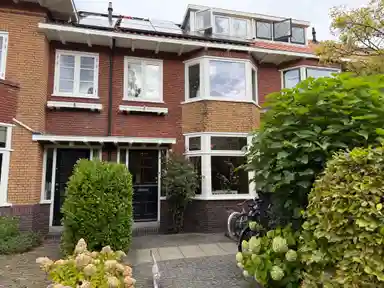
- Apartments (€2,201 average)The majority segment at 104 listings tracked, averaging 102 m² and €2,201 monthly. Most cluster in the station area and along main transport routes, offering easier Amsterdam commutes than the villa districts. Garden access varies widely depending on ground floor versus upper-level units.
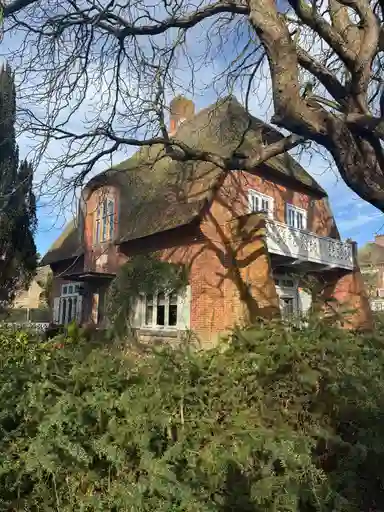
- Houses (€3,739 premium)The family segment at 64 listings, commanding €3,739 for an average 193 m² spread. These houses in Bloemendaal concentrate in the older villa neighborhoods west of the station, many dating from the 1920s Kennemerland development boom. Expect private driveways, established gardens, and higher deposits reflecting the premium positioning.
Green belt commuter territory
Bloemendaal exists as Noord-Holland's balance between urban access and residential tranquility. The town draws families and professionals who prize space and nature while maintaining Amsterdam connections through public transport networks.
Amsterdam commute (60 minutes)
The train from Bloemendaal Zuid reaches Amsterdam Centraal in roughly 60 minutes via Haarlem, making it viable but not convenient for daily commuting. Most residents either work locally, from home, or accept the trade-off for suburban living. Peak-hour crowding on the Sprinter services can be intense during September university starts.
Kennemerland National Park access
Bloemendaal sits directly adjacent to Zuid-Kennemerland National Park, offering hiking trails, cycling routes through dune landscapes, and beach access at Bloemendaal aan Zee. Many residents cite this natural access as the primary reason for choosing the area despite higher rents and longer commutes. Weekend cycling to the coast takes 15-20 minutes.
Parking reality check:
Only 35% of Bloemendaal rentals include designated parking, despite the car-dependent suburban layout. Street parking exists but fills quickly, especially near the train station during weekdays. Budget for separate parking arrangements if your rental lacks this amenity.
Commuting from Bloemendaal
Bloemendaal's rail connections run through Haarlem, requiring transfers for most destinations. The suburban setting means public transport serves mainly peak commuter flows rather than frequent all-day service.
Amsterdam via Haarlem (60 min)
The primary connection requires changing trains in Haarlem, extending total journey time to roughly 60 minutes to Amsterdam Centraal. Direct buses exist but run infrequently outside commuter hours. Residents seeking more frequent Amsterdam access often choose Haarlem or Amstelveen instead.
Haarlem hub (20 minutes)
Frequent Sprinter services connect to Haarlem in 20 minutes, where residents can access broader NS networks, shopping at Grote Markt, and more diverse dining options. Many Bloemendaal residents treat Haarlem as their practical city center for weekly errands and entertainment.
Peak-hour crowding on Sprinters:
The 7:30-9:00 AM southbound Sprinters from Bloemendaal Zuid fill rapidly with commuters heading to Haarlem and Amsterdam. Standing room only is common. Consider earlier departures or flexible work arrangements if daily commuting becomes necessary.
Bloemendaal rental FAQ
How much more expensive is Bloemendaal than Haarlem?
Bloemendaal averages €2,719 monthly compared to Haarlem's €1,954, making it 13% more expensive. The premium reflects larger property sizes (133 m² vs smaller urban units), suburban amenities like gardens and parking, and the exclusive residential character near Kennemerland National Park.
Why are deposits higher in Bloemendaal (1.61 months average)?
The 1.61-month average deposit reflects the premium property values and larger surfaces. Landlords typically require higher security for houses with extensive gardens, parking facilities, and period features that require specialized maintenance. The higher rents also mathematically increase deposit amounts even at standard percentages.
Is car ownership necessary in Bloemendaal?
While not mandatory, car ownership significantly improves quality of life in Bloemendaal's suburban setting. Public transport serves basic commuting needs but grocery shopping, accessing Haarlemmermeer connections, or weekend coastal trips become much easier with private transport. Many residents cycle for local errands and drive for longer distances.
What's the market like for furnished rentals in Bloemendaal?
Furnished rentals represent 42% of Bloemendaal's market, higher than many Dutch towns but reflecting the expat and temporary resident demand. Most furnished properties target international professionals or families on temporary assignments. Unfurnished remains the majority choice for long-term residents who prefer personalizing larger spaces.