Apartments, rooms and studios for rent in Heerde

Stop refreshing, get daily matches
Stop refreshing, get daily matches
Heerde rentals: quiet Veluwe, steep prices
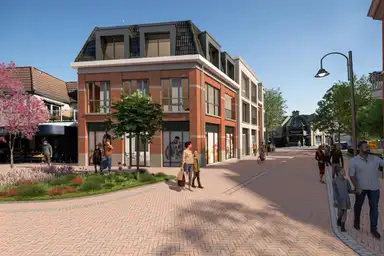
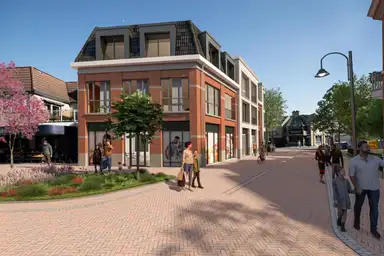
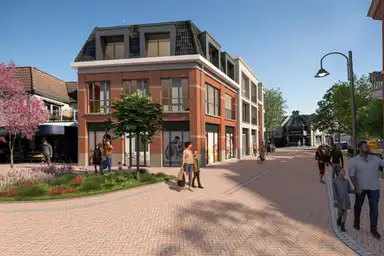
Heerde sits at the edge of the Veluwe, tucked between the IJssel river and the forested slopes of Gelderland. With around 18,500 inhabitants spread across the municipality, this is not a place people stumble into accidentally. Renters who end up here have made a deliberate choice: space, greenery, and a slower pace over urban convenience. The Saturday market on the Brink, the main square at the heart of the old village, is the social heartbeat of the week. Picture cycling there from a house in Wapenveld on a grey October morning, bag in hand, and you have the essence of daily life in Heerde.
The rental market here is small but not cheap. Tracked listings on RentHunter show Heerde running roughly 36% above the Zwolle average, which surprises many newcomers who expect rural to mean affordable. Supply is limited and turnover is low, so listings tend to move quickly when they do appear. If you are relocating from a larger city and expect to browse at leisure, adjust that expectation fast.
Apartments and houses: what Heerde actually offers
- Houses: the dominant rental type in Heerde Families and couples relocating from cities like Zwolle or Apeldoorn make up the core of Heerde's rental demand. A terraced house in the Heerde village core or in Wapenveld typically comes with a garden, a garage or driveway, and living surfaces that would cost significantly more per square metre in any Randstad city. Browse houses for rent in Heerde to see what is currently on the market. Given the 36% premium over Zwolle, comparing is worthwhile before signing.
- Apartments: limited stock, mostly ground-floor Apartments in the conventional sense are scarce in Heerde. The town has no high-rise residential buildings, and most flats are either converted upper floors of older commercial properties near the Brink or small units in modest residential blocks built during the 1970s and 1980s around the edges of the village. They suit single occupants or couples who want the reduced maintenance of flat living without needing a full house. Check apartments in Heerde for current availability, but set expectations accordingly: options are few and wait times can be long.
Life in a Veluwe village: what daily Heerde looks like
Heerde is a municipality of several small cores: Heerde itself, Wapenveld, Veessen, and Vorchten, each with its own character. The main village of Heerde has the train station, the Brink square, a small shopping street, and most of the local services. Wapenveld, just a few kilometres to the north, feels even quieter and sits directly on the IJssel floodplain.
The renter profile here skews toward established households: dual-income couples, families with children in the local primary schools, and the occasional remote worker who has traded a Randstad flat for a Gelderlandse house. The Veluwe forest begins almost immediately east of the village, which is a draw for those who cycle or run regularly.
The Brink and the IJssel: two anchors of local life
Imagine stepping off your bike on a Saturday morning at the Brink in Heerde, the old village square where the weekly market draws most of the municipality together. You can buy fresh vegetables from local growers and cross paths with neighbours you met at the school gate on Friday. That kind of rhythm is the main reason people choose a municipality this size over a larger city.
The IJssel river forms the western boundary of Heerde, with dike roads that locals use for cycling into Wapenveld or even toward Zwolle on good days. The natural setting is not background scenery here, it is part of the reason the area attracts a certain type of renter who is done with urban density.
Heerde for remote workers: IJssel view, Apeldoorn commute
A growing share of Heerde's renters are people whose job is largely remote but who need to be in Apeldoorn or Zwolle one to three days a week. The town works well for that pattern. The Heerde train station is a few minutes' walk from the centre, and both Zwolle and Apeldoorn are reachable by regional train without transfers.
If you need a larger urban rental market to compare against, cities like Arnhem, Almere, and Enschede offer fuller stock, shorter supply constraints, and different price dynamics. Those comparisons can sharpen your decision on whether Heerde's premium is worth paying for what you get.
One practical tip before you sign
Parking is almost never an issue in Heerde itself, most houses come with a driveway or street parking directly in front. However, if you are renting in the village center near the Brink, double-check the parking situation for weekend market days, when the square and surrounding streets fill up quickly. Ask your landlord specifically about this before finalising, especially if you own two cars.
Commuting from Heerde
Heerde station sits on the Zwolle–Apeldoorn line, making both cities reachable in under half an hour. That is the core commuter logic for this municipality. Beyond those two hubs, travel times lengthen considerably, so anyone working regularly in Amsterdam or Utrecht should think carefully about the daily cost in time.
Utrecht (~95 min) and Amsterdam (~100 min)
Utrecht is about 95 minutes by public transit (93 km), Amsterdam around 100 minutes (116 km). Both require a transfer, typically in Zwolle or Amersfoort. For daily commuters, these are long stretches, but for two or three days a week they are manageable. The upside is that trains on the Zwolle–Utrecht corridor run frequently throughout the day.
Groningen (~99 min): feasible but long
Groningen is roughly 99 minutes from Heerde (122 km), with a connection through Zwolle. The route works because Zwolle is already a direct stop from Heerde, and from Zwolle there are direct Intercity trains to Groningen. Anyone working in Groningen part-time and wanting to live in a quiet Gelderlandse setting will find this route straightforward, if long.
Save money on the longer routes with dal-urenkorting
If you commute to Utrecht, Amsterdam, or Groningen, the NS dal-urenkorting (40% off outside peak hours, available with a subscription) reduces the cost significantly on routes above 80 km. Heerde's quieter lifestyle often aligns naturally with flexible working hours, which means many renters here can time their trips to capture off-peak fares without rearranging their whole schedule.
Frequently asked questions about renting in Heerde
Is Heerde really 36% more expensive than Zwolle?
Yes, tracked rental listings show Heerde averaging about 36% above the Zwolle hub average. The premium reflects a combination of low supply, high demand from households specifically seeking rural Gelderland living, and the fact that houses here have gardens and space that urban apartments cannot offer. It is not what most people expect when they first look at a map and see how small the town is.
How fast do rental listings in Heerde disappear?
Very fast. Heerde has one of the smaller rental pools in Gelderland, and because the town attracts motivated buyers and renters who have already decided they want this specific environment, competition for each listing is real. Setting up an alert on RentHunter is practical here, waiting to spot listings manually means you will often be too late. Have your income documents and references ready before you start searching.
Is parking expensive or difficult in Heerde?
Parking is not expensive in Heerde. The municipality has no paid parking zones in the residential streets, and most rental houses include either a driveway or a garage. The main exception is Saturday mornings when the Brink market operates, when central parking fills up quickly. If your rental is close to the market square, verify with the landlord how street parking is managed during market hours. Generally, this is a minor inconvenience rather than a structural problem.
Does Heerde suit renters without a car?
Partially. Heerde has a train station that connects well to Zwolle and Apeldoorn, and the village center itself is walkable. However, the municipality spans several cores, and reaching Veessen or Vorchten without a car requires a bike or bus. Bus frequency is limited outside peak hours. For daily life within the main village, a car is not strictly necessary, but for exploring the broader municipality or doing a large grocery run, it makes things considerably easier.