Apartments, rooms and studios for rent in Houten
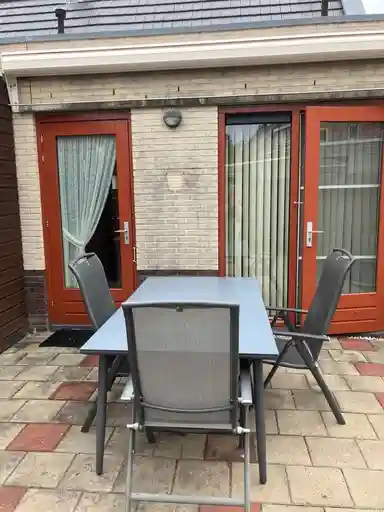
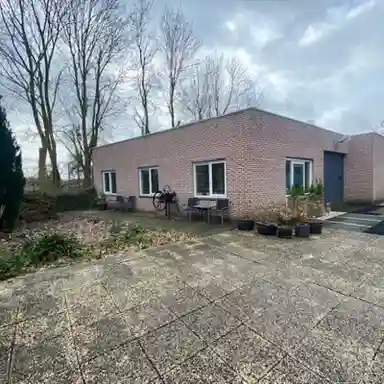

Stop refreshing, get daily matches
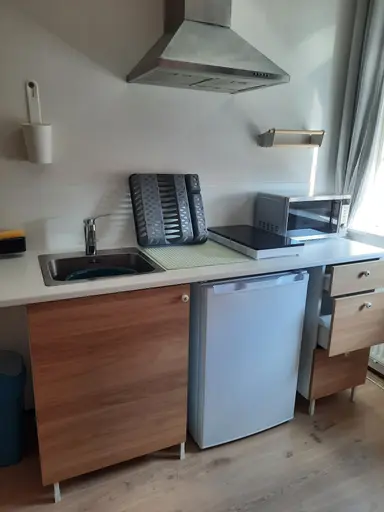

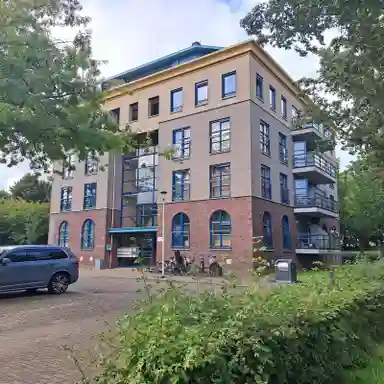
Stop refreshing, get daily matches
Houten at €1,513: the commuter calculation
Houten attracts renters who do the math. Based on over 500 listings tracked on RentHunter, the average rent sits at €1,513 per month, which is 19% cheaper than nearby Utrecht. That saves you roughly €200 monthly, but adds 32 minutes each way to your commute. For many, it's a worthwhile trade.
The rental stock here reflects its commuter identity. Apartments dominate with 48% of the market, averaging €1,386 monthly across 78 square meters. Houses claim 33% at €2,070 for 144 square meters, drawing families who want space without Utrecht's premium. Only 4% of listings target students, and just 8% cater specifically to expats, underlining Houten's role as a Dutch suburban alternative.
The €200 monthly savings vs 64 minutes daily
The Houten decision boils down to simple economics. At €1,513 average rent versus Utrecht's €1,713, you save €200 monthly but sacrifice 32 minutes each direction on your commute. Over a year, that's €2,400 in your pocket and 267 hours on trains and buses. The math works best for hybrid workers doing 2-3 office days weekly, young couples banking savings for a house purchase, or families prioritizing space over location.
Parking availability supports the commuter lifestyle, with 29% of listings offering dedicated spots. Garden access in 24% of properties appeals to families trading urban convenience for suburban breathing room. Registration is possible in 71% of listings, crucial for accessing Dutch services and establishing residency for mortgage applications down the line.
Housing stock: apartments lead at 48%
Houten's rental market reflects its suburban character, with apartments comprising nearly half the stock while maintaining generous space standards compared to urban centers.
Apartments (48% of market)
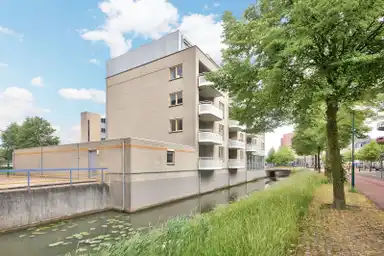
With 248 tracked listings, apartments in Houten average €1,386 monthly across 78 square meters. These newer developments cluster around Castellum and De Schans neighborhoods, offering modern amenities with suburban space standards. Most include storage and many feature balconies, addressing the practical needs of commuting professionals and small families.
Houses (33% market share)
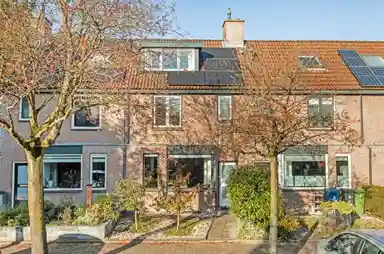
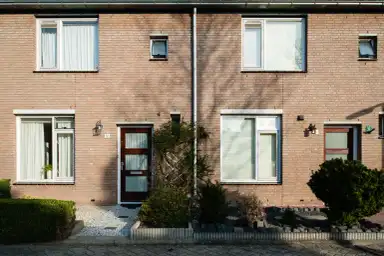
The 171 houses in Houten command €2,070 monthly for an average 144 square meters, attracting families seeking space without Utrecht's premium. These properties concentrate in Houten-Zuid and older sections near the original village core. Gardens appear in 24% of all listings, with houses claiming the majority. The suburban layout means most properties include parking, essential for residents commuting beyond Utrecht.
Studios (13% of listings)
At €955 monthly across 31 square meters, studios serve young professionals who want independent living while keeping commute costs manageable. These 68 listings cluster near Houten Central station and newer residential blocks, offering furnished options in 35% of cases. The limited studio market reflects Houten's family orientation, but provides an entry point for singles testing the commuter lifestyle before committing to larger spaces.
Neighborhoods: family suburbia dominates
- Houten-Zuid (new family district)The largest residential expansion, dominated by modern houses and apartment blocks built since 2000. Popular with young families for its planned green spaces, proximity to schools, and bike paths connecting to both train stations. Rental houses here command premium prices but offer gardens and parking, justifying the extra cost for car-dependent commuters.
- Castellum (station-adjacent living)Mixed-use development centered around Houten Central station, featuring apartment towers and ground-floor retail. Appeals to serious commuters who prioritize convenience over space, with most units walkable to platforms within 5 minutes. Higher density means limited parking, but excellent public transport access makes car ownership optional for Utrecht workers.
- Oude Dorp (historic core)The original village center with a limited selection of older houses and converted buildings near the medieval church and weekly market square. Rental availability is scarce but offers character properties for those wanting Houten's community feel over modern convenience. Walking distance to shops and cafés, though further from main transport hubs than newer developments.
- Weideland (green residential)Quieter residential area north of the center, popular with families seeking suburban tranquility. Houses here typically feature gardens and driveways, supporting the car-dependent lifestyle of commuters heading to Amstelveen or Almere. Well-connected by bike paths but requires cycling or driving to reach either station, making it less suitable for train-only commuters.
Commuting from Houten
Houten's appeal as a commuter town rests on its rail connections to major employment centers, though travel times vary significantly depending on your destination.
Utrecht (32 minutes)
The primary commuter route via direct trains from both Houten Central and Houten Castellum stations. Morning peak frequency ensures reliable connections, though expect crowded carriages during rush hours. The 13-kilometer distance makes cycling feasible for dedicated bike commuters, with secure parking available at Utrecht Central for those combining train and bike travel.
Amsterdam (62 minutes)
Requires a connection via Utrecht, adding complexity to your daily routine. The 52-kilometer journey becomes expensive with standard NS fares, making it worthwhile only for high-earning professionals or those with employer-covered travel costs. Consider the dal-vrij subscription for unlimited off-peak travel if your schedule allows flexibility in departure times.
Frequent traveler tip:
NS Flex Weekend Voordeel offers 40% discounts on weekend travel, perfect for maintaining social connections in Amsterdam while living in Houten. Combined with weekday commuter subscriptions, you can reduce overall transportation costs while enjoying suburban space and urban access.
Houten rental FAQ
Is Houten worth the savings versus Utrecht?
The €200 monthly savings becomes meaningful over time, especially for couples banking funds for a house purchase. However, factor in the 64 minutes of daily commute time and potential isolation from Utrecht's social scene. It works best for established professionals with car access who value space over urban amenities.
What's the best neighborhood for first-time commuters?
Castellum offers the easiest transition with its 5-minute walk to Houten Central station and urban-style apartment living. The mixed-use development includes ground-floor shops and restaurants, reducing the suburban isolation that can affect car-free residents. Parking is limited, but excellent public transport access makes this the logical choice for testing commuter life.
Are furnished apartments common in Houten?
About 35% of listings offer furnished options, higher than many Dutch suburbs but still limited compared to international cities. Most furnished properties target young professionals on temporary assignments or those relocating for work. Expect modern furniture packages in newer developments, though traditional Dutch unfurnished rentals remain the norm for long-term tenants.
How competitive is the Houten rental market?
Moderate competition, especially for family houses in desirable neighborhoods like Houten-Zuid. The commuter demographic means properties near stations move fastest, while peripheral locations see longer availability. Unlike student cities, viewings tend to be scheduled affairs rather than mass rushes, giving serious applicants better chances to showcase financial stability and long-term commitment.