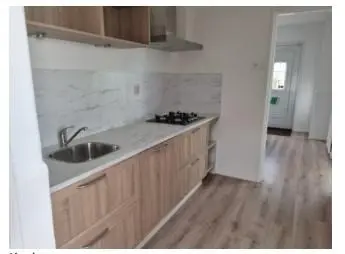
Apartments, rooms and studios for rent in Texel
Texel's island rental reality
Texel operates under different rules than mainland Dutch rentals. This Noord-Holland island attracts two distinct renter profiles: locals who never left and mainlanders seeking peace but willing to deal with the ferry. The housing stock reflects this split, with older family homes dominating Den Burg and De Cocksdorp, while newer developments serve the seasonal tourism workforce.
The 13,545 inhabitants create a tight-knit market where word-of-mouth still matters more than online listings. RentHunter tracks the limited available stock, but expect most moves to happen through local networks. Ferry logistics shape everything, from viewing appointments to moving dates.
Island rental stock breakdown
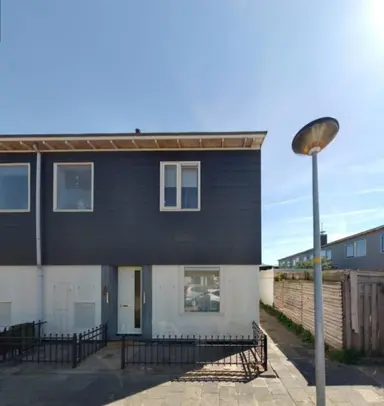
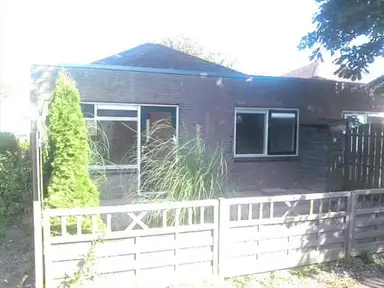
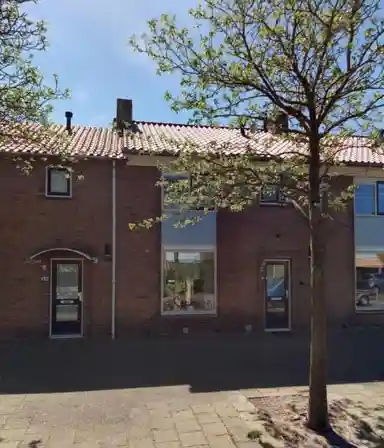
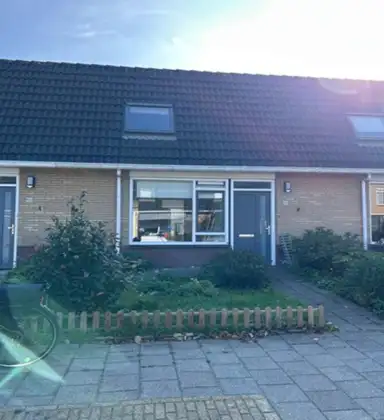
- Houses: traditional island livingMost of Texel's rental market consists of detached and semi-detached houses, particularly around Den Burg's residential streets like Parkweg and Emmalaan. These typically feature gardens and bike storage, essential for island life. Houses in Texel range from €1,200-1,800 monthly, with older properties near the Waddenzee coast commanding premium prices despite needing updates.
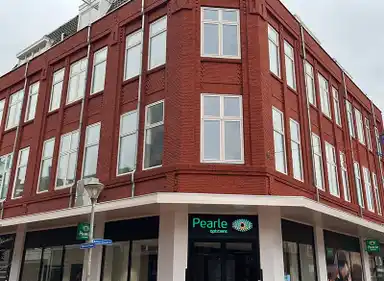
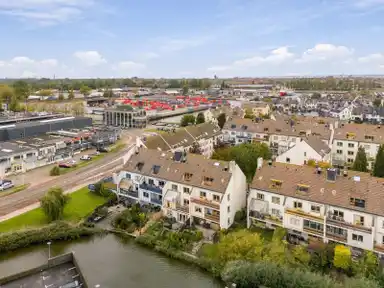
- Apartments: limited but modernApartment options concentrate in Den Burg's newer developments near Molenlaan and around De Koog for seasonal workers. Most were built post-2000 to serve the tourism economy. Apartments in Texel typically run €900-1,400 monthly, with sea-view units in De Koog commanding the highest rates. Expect furnished options given the seasonal rental culture.
- Seasonal dynamics: summer vs winterTexel's rental market shifts dramatically with tourism seasons. Summer brings fierce competition as temporary workers flood De Koog and Oudeschild, while winter opens opportunities but limits social life. Many properties switch between tourist and residential use, creating availability windows in October and March when owners decide their next year's strategy.
Life beyond mainland connections
Texel demands a different mindset than typical Dutch living. You're not just moving to a new town, you're joining an island community with distinct rhythms and dependencies.
Ferry logistics and mainland work
Den Helder ferry runs every hour in peak season, every two hours off-season, making mainland commuting feasible but structured. Regular commuters to Amsterdam face 2.5-hour door-to-door journeys, while Haarlem takes about 2 hours. Factor in ferry costs (€4.45 per person, €19.50 with car) for daily calculations. Winter storms occasionally cancel services, requiring backup plans for mainland commitments.
Island community fabric
Texel operates on relationships and timing that mainlanders find foreign. Saturday morning market in Den Burg functions as unofficial job board and housing exchange. Local establishments like Café De Vriendschap become essential networking hubs, especially during winter months when tourist spots close. The sheep farming heritage still influences social hierarchies, with established farming families holding significant community weight.
Essential island survival tip:
Stock up on mainland errands during single trips. Texel's limited services mean banking, specific shopping, and appointments requiring specialist services often cluster into Den Helder runs. Islanders develop monthly mainland days to handle everything at once, reducing ferry costs and time loss. Backup internet and phone providers become crucial for remote work during weather disruptions.
Texel rental questions
Can I rely on public transport on Texel?
Texel has bus line 28 connecting major villages, but service is limited (hourly at best) and stops early evenings. Most residents rely on bicycles for daily transport and cars for convenience. Living car-free is possible if you stay near Den Burg center, but significantly limits housing options and social flexibility.
How does winter isolation affect daily life?
Winter transforms Texel into a genuine island community. Tourist businesses close, ferry schedules reduce, and social circles tighten considerably. This appeals to some seeking quiet retreat but challenges those requiring mainland connections or diverse entertainment. Many describe winter as either deeply peaceful or claustrophobic, depending on personality and social needs.
What about internet reliability for remote work?
Fiber internet reaches most of Den Burg and newer developments, providing adequate speeds for remote work. However, weather storms can disrupt service, and backup solutions are limited. Many remote workers maintain 4G mobile hotspots as backup. Before committing to a rental, test connection quality at different times and weather conditions if your income depends on consistent connectivity.
Is it cheaper to live on Texel than nearby mainland cities?
Housing costs on Texel are generally lower than comparable properties in Almere or mainland Noord-Holland, but ferry expenses and limited shopping options offset some savings. Groceries cost 10-15% more due to transport logistics, and emergency services or specialized shopping require mainland trips. Factor in ferry passes (monthly subscriptions available) when calculating total living costs versus mainland alternatives.
Apartments, rooms, studios & houses for rent in the Netherlands