Apartments, rooms and studios for rent in Valkenswaard


Stop refreshing, get daily matches
Stop refreshing, get daily matches
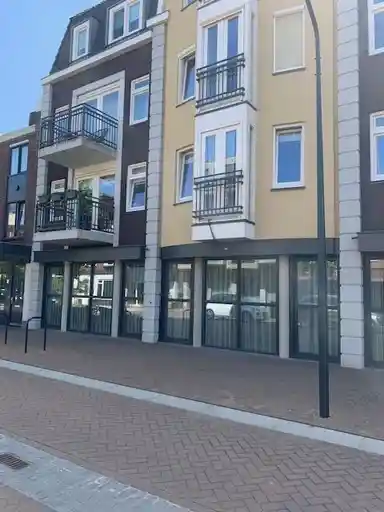
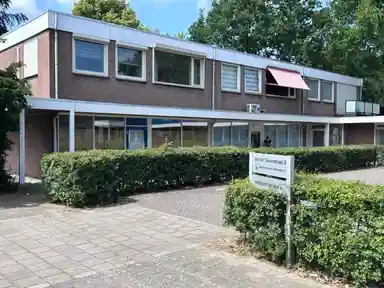
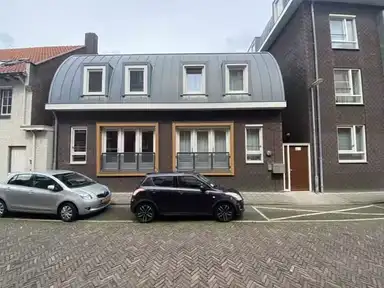
Valkenswaard at €1,451: Noord-Brabant's suburban choice
Imagine cycling from your apartment near the Dommel river to the Saturday market at Markt square, then catching the bus to Eindhoven for work. This is Valkenswaard's rhythm: suburban Noord-Brabant living with surprisingly solid city connections. Based on over 300 listings tracked on RentHunter, the town averages €1,451/month across all accommodation types, running 6% cheaper than neighboring Eindhoven.
The rental stock splits predictably for a town this size: apartments dominate at 64% of the market (averaging €1,416/month), while houses claim the remaining 30% at €1,643/month. With 40% of rentals including parking spaces and 30% offering gardens, Valkenswaard clearly caters to car-owning families and professionals who want space without Randstad prices.
Rental stock: apartments lead at 64%
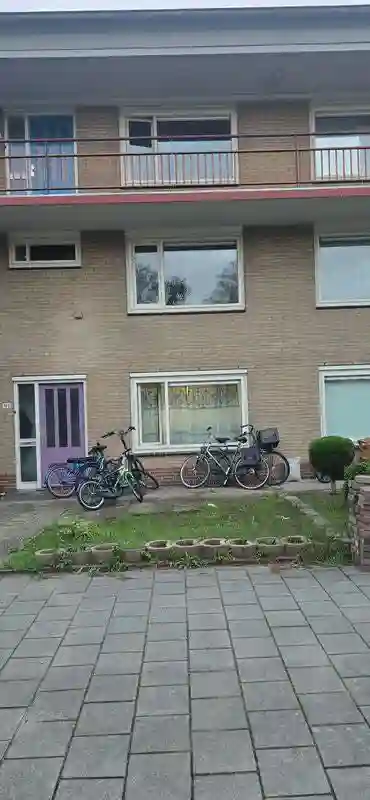
- Apartments (64% of listings)The dominant rental type at €1,416/month average across 87 m². Most cluster in post-war blocks near the center and newer developments toward the outskirts. Expect basic layouts with practical Noord-Brabant sensibilities: efficient kitchens, decent storage, and usually a small balcony.
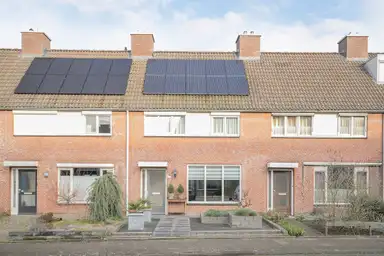
- Houses (30% of market)Family-focused at €1,643/month for 132 m² average. Most are terraced homes from the 1970s-80s expansion, offering the Noord-Brabant suburban dream: front and back gardens, garage or driveway, and room for growing families. The Heikant and Borkel neighborhoods hold the best examples.
- Parking reality: 40% includedValkenswaard expects car ownership. Street parking around the center fills quickly during weekdays, but most newer apartment complexes and all suburban houses include dedicated spots. Budget an extra €50-75/month if your rental lacks parking.
Living between Dommel and De Mierden
Valkenswaard sits at the intersection of Noord-Brabant's working landscape and recreation. The Dommel river cuts through town, while the De Mierden nature reserve offers weekend escape just minutes away.
The Eindhoven commute advantage
Bus 401 runs every 15 minutes during peak hours, connecting Valkenswaard's station area directly to Eindhoven's center in 27 minutes. Many tech workers at ASML and Philips choose this route for the price difference: that 6% rental saving versus Eindhoven adds up over a year, especially with a company travel allowance covering most transport costs.
Saturday markets and nature access
The weekly market at Markt square still draws locals every Saturday, offering Noord-Brabant specialties alongside practical household goods. For weekend recreation, De Mierden nature reserve lies just 10 minutes by bike east of town, featuring marked hiking trails and bird-watching spots along wetlands that connect to the broader Kempen landscape.
Registration and banking essentials:
Valkenswaard's gemeente office at Markt 10 handles BSN registration appointments, usually available within two weeks. ABN AMRO and Rabobank branches on Eindhovenseweg cover basic banking needs, though online applications often process faster for expats with European residence permits.
Commuting from Valkenswaard
Valkenswaard's transport links favor regional Noord-Brabant connections over long-distance Randstad commuting.
Eindhoven (27 minutes)
Direct bus 401 every 15 minutes during peak hours, connecting to Eindhoven's tech sector and university. The route runs through several intermediate stops but maintains reliable timing. Perfect for ASML, Philips, or TU/e commuters who prioritize space and savings over urban amenities.
's-Hertogenbosch (45 minutes)
Bus to Eindhoven, then train to the provincial capital. 's-Hertogenbosch offers government jobs and cultural amenities, though the multi-transfer commute limits daily viability. Weekend trips work better than regular commuting to Den Bosch from Valkenswaard.
Smart commuting with NS subscriptions:
If you're commuting to Tilburg (60 minutes) or beyond regularly, consider an NS Dal Vrij subscription for off-peak unlimited travel. The €105/month cost often pays for itself with just 8 return trips, and employers frequently offer partial reimbursement as a travel allowance.
FAQ
What's the average rent in Valkenswaard compared to nearby cities?
Valkenswaard averages €1,451/month across all rental types, running 6% cheaper than Eindhoven at €1,505/month. This price advantage attracts tech commuters who work in Eindhoven but prefer suburban space and parking availability that's harder to find in the city center.
How common are pet-friendly rentals in Valkenswaard?
About 6% of Valkenswaard rentals explicitly welcome pets, concentrated mainly in the suburban houses with gardens rather than apartments. The town's family-oriented character means landlords are generally more open to pets than in urban centers, especially for long-term tenants with stable employment.
What parking options exist for renters in Valkenswaard?
40% of rentals include dedicated parking spaces, mostly houses with driveways or newer apartment complexes. Street parking near the center requires a permit (around €60/year for residents) and fills quickly during business hours. Private parking spots rent for €50-75/month when available separately.
Is registration possible for most rentals in Valkenswaard?
70% of Valkenswaard rentals allow official registration, higher than many Dutch cities due to the formal rental market and family-owned properties. Most landlords understand registration requirements for banking, employment, and municipal services. The remaining 30% typically involves temporary housing or properties with zoning restrictions.