Apartments, rooms and studios for rent in Vlissingen

Stop refreshing, get daily matches
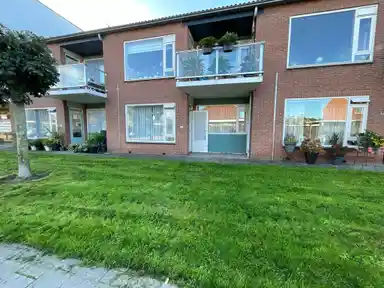
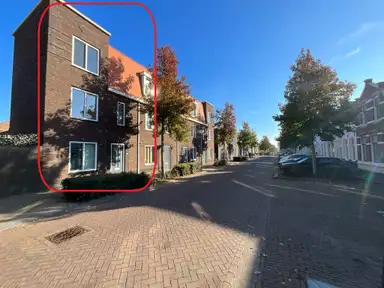
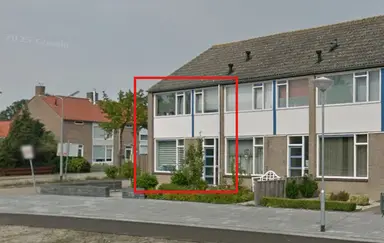
House, Oost-souburg
Stop refreshing, get daily matches
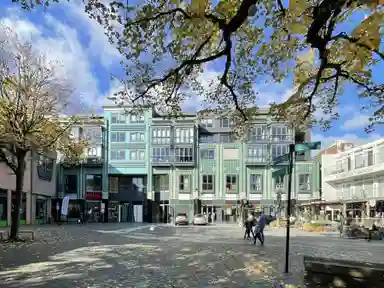
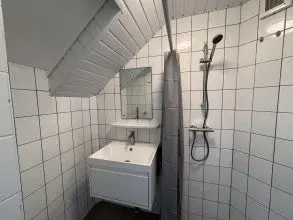
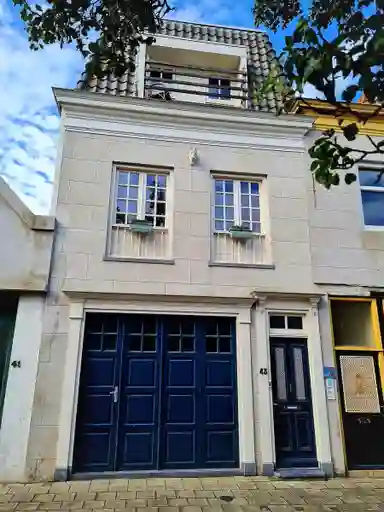
Vlissingen at €1,045: seaside value in Zeeland
Vlissingen sits at the mouth of the Western Scheldt, where the province of Zeeland meets the North Sea. Based on over 900 listings tracked on RentHunter, this former naval city offers genuine value at an average €1,045 per month across all housing types. That's 45% cheaper than Rotterdam, making it attractive to families and professionals willing to trade urban buzz for coastal calm and lower housing costs.
The rental market here reflects the town's dual character: historic boulevards like Badhuisstraat house period apartments, while newer developments around Souburg provide modern family housing. Most renters are either locals staying put, commuters to Antwerp or Rotterdam, or retirees drawn to the seaside lifestyle. With apartments dominating 65% of the market at around €997 monthly, and houses averaging €1,669, the choice depends largely on whether you value space or budget.
Apartments lead at 65% of listings
- Apartments (619 listings at €997)The dominant segment, averaging 73m² and €997 monthly. Apartments in Vlissingen range from period flats along Boulevard de Ruyter with sea views to modern developments in Souburg. Most include basic furnishing and allow registration, with about a quarter offering balconies.
- Houses (180 listings at €1,669)Family-sized properties averaging 110m², mostly concentrated in neighborhoods like Lammerenburg and around Oost-Souburg. Houses in Vlissingen often come with gardens (23% citywide) and parking spaces. Expect terraced houses from the postwar boom and newer builds near the Kanaalpark area.
- Rooms (138 listings at €482)Budget-conscious option averaging 23m² and €482 monthly, mostly in shared houses near the city center or student areas. Only 6% of Vlissingen's listings target students specifically, reflecting the limited student population compared to university cities. Most rooms cater to young workers or recent graduates starting their careers.
Coastal living with Zeeland character
Vlissingen combines maritime heritage with modern convenience, creating a distinct lifestyle that differs markedly from Holland's urban centers. The weekly Thursday market on Grote Markt brings local produce from Zeeland farms, while Boulevard Thorbeckeplein offers seaside walks year-round.
Transport to major cities
Vlissingen connects to the Dutch rail network via Middelburg, with journeys to Rotterdam taking about 5.5 hours including transfers. Most commuters heading to major employment centers use their car or opt for towns closer to the Randstad like Delft or Breda. The trade-off is clear: significant savings on housing costs versus extended travel times.
Local amenities and culture
The city centers around Oude Markt and Bellamypark, where most daily shopping and dining happens. Het Arsenaal maritime museum and regular ferry connections to Breskens add unique character. Cycling infrastructure is excellent within the city, though Zeeland's strong winds require consideration for daily bike commuting.
Registration and documentation:
About 72% of Vlissingen rentals allow official registration (inschrijving), which is above the national average for smaller cities. The local council office (gemeentehuis) on Grote Markt handles registration appointments efficiently, typically within two weeks of moving in.
Commuting from Vlissingen
Vlissingen's remote location in Zeeland means substantial travel times to Dutch employment centers, though car connections to Belgium offer alternative opportunities.
Rotterdam (5h 49m by transit)
The closest major Dutch city requires multiple transfers via Middelburg and often Goes, making it impractical for daily commuting. Most professionals working in Rotterdam either drive (about 2 hours) or choose accommodation closer to their workplace.
Antwerp alternative (1 hour drive)
Many Vlissingen residents work in Antwerp, Belgium, which offers better accessibility by car via the A58. The port city provides opportunities in logistics, chemicals, and international business, making cross-border commuting a practical option for some residents.
NS off-peak advantage:
If you do need to travel to Dutch cities occasionally, consider the NS Dal Vrij subscription for 40% off all train travel during off-peak hours (9am-4pm and after 6:30pm weekdays, all day weekends). The savings add up quickly on long-distance journeys from Zeeland.
FAQ
How much cheaper is Vlissingen compared to Rotterdam?
Vlissingen averages €1,045 monthly rent versus Rotterdam's €1,810, making it 45% cheaper. The most significant savings appear in apartments, where Vlissingen's €997 average contrasts sharply with Rotterdam's premium pricing. However, factor in longer commute times and transport costs if working outside Zeeland.
Is Vlissingen suitable for students?
Only 6% of Vlissingen rentals target students, reflecting the absence of a major university. Most student accommodation serves HZ University of Applied Sciences in Vlissingen, which focuses on maritime and technical programs. Rooms average €482 monthly, but options are limited compared to traditional university cities.
What's the rental deposit situation in Vlissingen?
Vlissingen landlords typically request 0.7 months rent as deposit, which is lower than many Dutch cities. This amounts to about €730 for an average apartment. Combined with the 26% of properties offering furnished options, initial moving costs can be more manageable than in major urban centers.