Apartments, rooms and studios for rent in Waalwijk

Stop refreshing, get daily matches
Stop refreshing, get daily matches
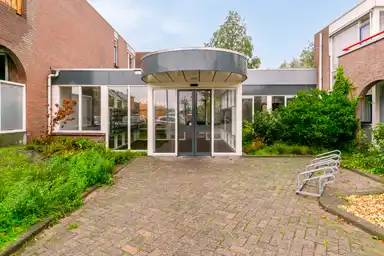
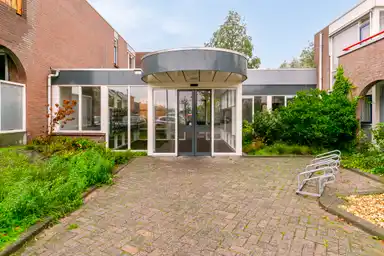
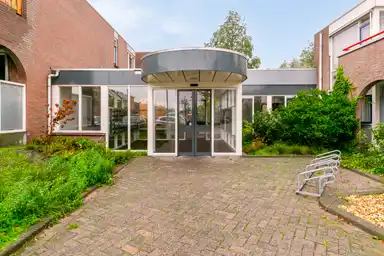
Waalwijk at €1,242/month: the Noord-Brabant alternative
Waalwijk draws renters who want Noord-Brabant living without the Tilburg hustle. Based on over 300 listings tracked on RentHunter, this town of 47,000 offers apartments averaging €1,139 and houses at €1,566, running 8% cheaper than Tilburg while keeping the same train connections to Randstad cities.
The rental market here splits predictably: apartments dominate at 63% of stock, mostly targeting working professionals who commute north, while the remaining houses serve families drawn by the suburban feel and garden access. Unlike university towns with their September scrambles, Waalwijk's rental rhythm follows job market cycles and the steady trickle of people pricing out of bigger cities.
What €1,242 gets you in Waalwijk
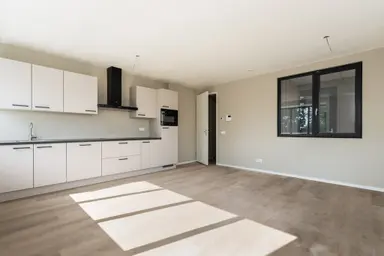
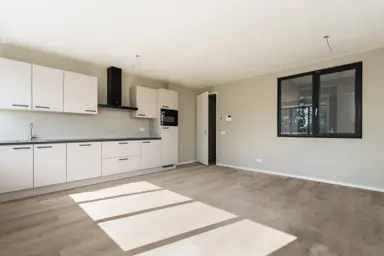
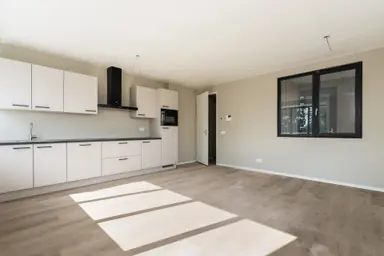
- Apartments (63% of market)The dominant rental type at an average €1,139 monthly for 70 m². Most apartments in Waalwijk cluster around the station area and Grotestraat, built for commuter convenience rather than charm. Expect 1980s and 1990s construction with practical layouts and 25% offering balconies.
- Houses (29% of market)Family rentals averaging €1,566 for 109 m², concentrated in residential areas like Elshout and around Wilhelminapark. Houses in Waalwijk often come with gardens (31% of all listings have outdoor space), appealing to families who want space but can't afford Breda or 's-Hertogenbosch prices.
Living in Waalwijk: suburban Noord-Brabant
Waalwijk feels distinctly Noord-Brabant: practical, unpretentious, built around work and family life rather than student energy or tourist appeal. The town center along Grotestraat handles daily needs without much flair, while residential neighborhoods offer the suburban calm that draws families from busier cities.
Station connections to bigger cities
Waalwijk station sits on the Tilburg-'s-Hertogenbosch line, putting Utrecht 58 minutes away and Amsterdam reachable in 82 minutes. The station area concentrates most rental apartments, built for commuters who work in Randstad cities but want Noord-Brabant prices and space. Only 24% of rentals include parking, reflecting the transit-oriented setup.
Weekly market and local rhythm
Saturday brings the weekly market to Marktplein, the social center for locals who aren't commuting to work elsewhere. The Biesbosch National Park edges the town's south side, offering weekend nature access that bigger cities charge premium rents to reach. Local life revolves around practical needs rather than nightlife, which suits families and working professionals but might feel quiet for younger renters.
Practical tip for new arrivals:
Registration (GBA/BRP) runs faster in Waalwijk than in bigger cities. The gemeente office on Grotestraat typically schedules appointments within two weeks, versus months-long waits in Amsterdam or Rotterdam. With 72% of rentals allowing registration, you can usually sort your legal residency quickly once you land a place.
Commuting from Waalwijk
Most Waalwijk renters work elsewhere, making train connections the decisive factor. The town sits strategically between major employment centers, though journey times add up for daily commuting.
Utrecht (58 minutes)
The most popular commuter destination. Direct trains via 's-Hertogenbosch run hourly, making Utrecht's job market accessible for Waalwijk residents. The journey involves one transfer but stays under an hour, reasonable for central Netherlands employment while keeping Brabant housing costs.
Amsterdam (82 minutes)
Doable for occasional commuting but pushing daily limits. The route via Utrecht adds travel time, and Amsterdam's premium job markets compete with long journey stress. Some tech workers and consultants make it work for the salary differential, but most find the daily routine unsustainable long-term.
Smart commuting strategy:
Consider NS Flex for unlimited off-peak travel if your job allows flexible hours. Dal-uren (9am-4pm, 6:30pm-6:30am) cut travel costs significantly, and avoiding rush hour makes the Waalwijk-to-Randstad commute more pleasant. Many remote-hybrid workers use this setup to work from Waalwijk most days while keeping access to major city employers.
FAQ
Is Waalwijk actually cheaper than Tilburg?
Yes, by about 8% on average. Waalwijk apartments average €1,139 versus Tilburg's higher market rates, though both towns offer similar train access to major cities. The savings mainly come from less competition, fewer students, fewer internationals, more locals who prioritize space over location prestige.
What's the typical deposit and contract length in Waalwijk?
Deposits average 0.78 months' rent, lower than Amsterdam's typical 1-2 months. Most landlords offer standard one-year contracts with indefinite extension options. The local market moves slower than university cities, so you're less likely to face pressure for longer commitments or bidding wars over deposits.
Do I need a car to live in Waalwijk?
Not necessarily. Only 24% of rentals include parking, suggesting most renters manage without cars. The train station handles commuting to major cities, while local needs (grocery shopping, gemeente services) cluster within cycling distance of the center. A car helps for weekend Biesbosch access and shopping flexibility, but isn't essential for daily life.