Apartments, rooms and studios for rent in Landgraaf


Stop refreshing, get daily matches
Stop refreshing, get daily matches
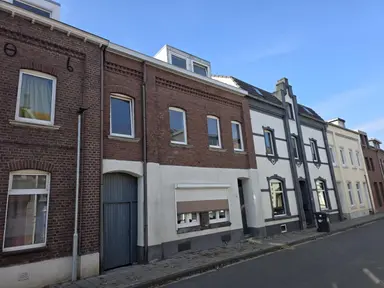
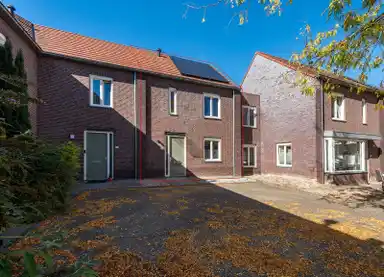
Landgraaf at €953: quiet living near Maastricht
Landgraaf draws renters who want Limburg living without Maastricht prices. Based on over 400 listings tracked on RentHunter, the average here runs €953 monthly, a solid 31% cheaper than the provincial capital. Most tenants are working families who appreciate the suburban calm and solid transport links.
The rental stock leans heavily toward apartments, which make up 58% of available properties at around €882 monthly for 69 m². Houses command more at €1,169 for 103 m², but they offer proper family space with gardens in over a third of cases. Student demand stays minimal at just 6% of listings, while 16% target international residents drawn by the proximity to both Maastricht and the German border.
Rental stock breakdown: apartments rule
- Apartments (58% of market)The dominant choice for most renters, with 280 listings averaging €882 monthly for 69 m². Apartments in Landgraaf range from compact units near the center to larger family flats in newer complexes along Nieuwstraat. About 34% come with balconies, and parking availability reaches 36% of listings, reflecting the car-dependent lifestyle here.
- Houses (33% of market)Premium family housing with 160 listings averaging €1,169 monthly for 103 m². Houses in Landgraaf cluster in residential streets like Kerkstraat and around the Waubach area, where 34% include private gardens. These properties target working families who want space and often come with dedicated parking, crucial given limited public transport within the municipality.
- Rooms and studios (niche segments)Limited options exist for single renters or students, with rooms in Landgraaf mainly in shared houses near Nieuwenhagerweg. Studios in Landgraaf are rare, typically converted units in older buildings. Most young renters actually commute from Maastricht where student housing is more abundant and nightlife more accessible.
Small-town Limburg living
Landgraaf offers the suburban calm that many families seek, with enough local amenities to feel self-contained but close enough to Maastricht for urban conveniences when needed.
Transport links and car culture
Most residents drive, which explains why 36% of rental listings include parking. Bus connections to Heerlen and Kerkrade exist but remain limited, making car ownership practically essential for daily commuting. The A76 provides direct highway access to both Maastricht and the German border, with many residents working across the border where salaries often run higher.
Local community and amenities
The town center around Markt offers basic shopping and services, while the weekly Saturday market brings fresh produce and local goods. Sports facilities include several football clubs and tennis courts, and the nearby Brunssummerheide offers hiking trails and nature access. Most entertainment and dining still requires a trip to nearby Eindhoven or Maastricht, but daily needs are well covered locally.
Budget wisely for utilities:
Many listings quote base rent excluding utilities. Budget an extra €150-200 monthly for gas, water, electric, and internet, especially in larger houses where heating costs can spike in winter. The 0.77-month average deposit is relatively tenant-friendly compared to Amsterdam or Utrecht.
Commuting from Landgraaf
While Landgraaf offers affordable living, most residents commute elsewhere for work, especially to Maastricht or across the German border where employment opportunities are broader.
Maastricht (35 minutes by car)
The primary destination for most commuters, offering employment in healthcare, education, and government sectors. Public transport exists but requires transfers through Heerlen, making the journey over an hour. Most residents drive via A76, with parking in Maastricht center running €2-3 hourly. The university medical center and various international companies provide steady employment opportunities.
Germany (Aachen, 20 minutes)
A significant portion of residents work across the border in Aachen or other German cities, attracted by higher salaries and strong industrial employment. The commute is straightforward by car, though cross-border tax implications require proper advice. Many positions in manufacturing, engineering, and logistics offer better compensation than similar Dutch roles, making the daily border crossing worthwhile for many families.
Regional connections to Tilburg and beyond:
For longer commutes to Noord-Brabant or Amsterdam, the train connection through Sittard provides access to the national rail network, though journey times exceed 2 hours to major western cities. Consider NS dal-uren discounts for off-peak travel, and remember that monthly parking at Sittard station costs around €35, making the total commute expense significant for daily travel to distant cities.
Frequently asked questions
How much cheaper is Landgraaf compared to Maastricht?
Landgraaf averages €953 monthly compared to Maastricht's €1,282, making it 31% more affordable. This price difference reflects the suburban location and car-dependent lifestyle, but many residents find the savings worthwhile given the proximity to both Maastricht employment and German border opportunities.
Do I need a car to live in Landgraaf?
Practically, yes. While basic amenities exist locally, most employment opportunities are in Maastricht or Germany, and public transport connections remain limited with lengthy transfer times. The fact that 36% of rental listings include parking reflects this car-dependent reality, making vehicle ownership essential for most residents.
What's the rental registration situation in Landgraaf?
Registration (inschrijving) is possible in 79% of listings, which is relatively favorable compared to major cities where restrictions are tighter. Most apartment complexes and family houses allow proper registration, though always confirm this explicitly before signing any lease, especially if you need it for municipal services or benefits applications.
Are there good options for international residents?
Yes, 16% of listings specifically target international tenants, often including furnished options (17% of total market). The proximity to Germany makes it attractive for cross-border workers, and many landlords are familiar with international employment situations. English-speaking support is generally available, though basic Dutch helps for municipal services and local integration.