Apartments, rooms and studios for rent in Nijmegen


Stop refreshing, get daily matches
Stop refreshing, get daily matches
Nijmegen rentals: student city, real numbers
Nijmegen's rental market is one of the tightest in Gelderland, and the main reason is Radboud University. Every September, thousands of new students flood into the kamermarkt at exactly the same moment, competing for a limited pool of rooms, studios, and shared apartments within cycling distance of the Heyendaal campus. Based on over 9,700 listings tracked in Nijmegen on RentHunter, the average rent sits at €1,026/month across all accommodation types, with a surface area averaging 51 m². That figure spans everything from a €606/month shared room to a fully detached house pushing €1,552/month.
If you are relocating to Nijmegen for study or work, one thing will surprise you quickly: rooms make up 38% of the entire rental stock, but they disappear faster than any other type. The moment a listing goes live, inboxes fill within hours. Hospiteeravond, the ritual where current tenants interview candidates for a room in their shared house, is still standard practice in the center, the Benedenstad, and the streets around Keizer Karelplein. Come prepared with a short introduction, ideally in Dutch.
Nijmegen is also 6% more expensive than nearby Arnhem on average, despite the two cities being roughly 15 minutes apart by train. That gap is driven by student demand and Radboud's international profile. Roughly 14% of listings are explicitly expat-targeted, and 22% carry student-focused conditions. Knowing where you fit in those segments determines which listings you can realistically pursue.
Rooms, studios, apartments: Nijmegen's split rental stock
Nijmegen's rental stock divides sharply into two worlds. Apartments dominate at 48% of the market (4,643 listings, averaging €1,282/month across 70 m²), but for students arriving on a study grant, rooms are the practical entry point. Understanding which segment matches your budget and situation before you start searching will save days of wasted effort.
Rooms at €606/month: fast market, specific rules
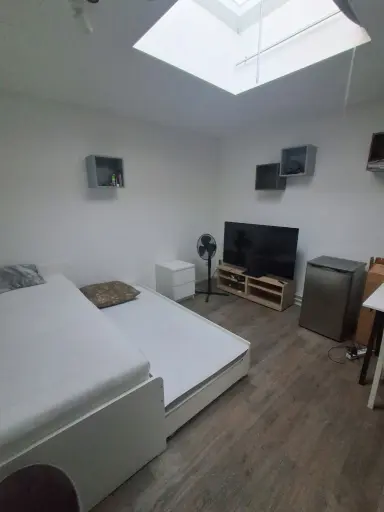
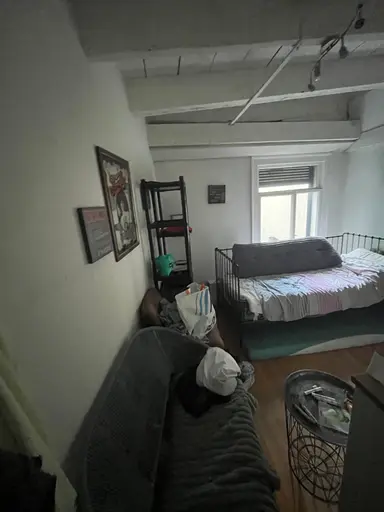
Rooms account for 38% of all Nijmegen listings, averaging €606/month for just 19 m². That price often includes utilities and internet, which makes it more affordable in practice than the headline figure suggests. Most are in shared houses with 3–6 occupants, spread across the Willemskwartier, Altrade, and streets north of the Barbarossastraat.
The social selection process is non-negotiable in much of this segment. You will not get a room in a popular house through a passive application. Show up to the hospiteeravond, ask good questions, and make it clear you have flexibility on move-in date. Browse rooms in Nijmegen and set up alerts: most listings in this segment are live for less than 48 hours.
Studios and apartments: the step up from shared housing
Studios represent 8% of listings at an average €1,022/month for 37 m²: a meaningful jump from a shared room but still a more contained commitment than a full apartment. They suit students in their final year, couples sharing costs, or anyone who needs a registered address without the social dynamics of shared housing. Check studios in Nijmegen for current availability.
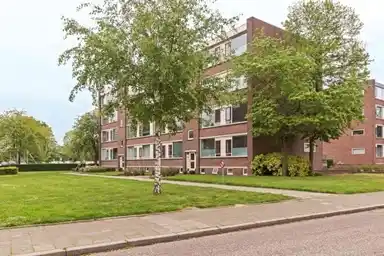
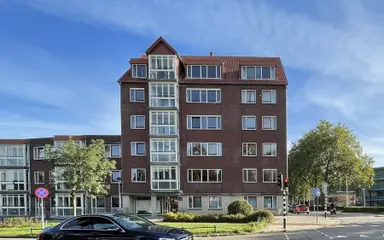
Apartments are the dominant form in Nijmegen, making up 48% of all tracked listings at an average of €1,282/month for 70 m². Most sit in blocks built between the 1960s and 1990s across Dukenburg and Lindenholt, though the Spoorzone and newer developments near Mariënburg have pushed upward in price. Only 17% of all listings include a balcony and 21% come with parking, figures that reflect the city's bicycle-first culture. If outdoor space matters to you, prioritize the 19% of listings that include a garden, most of which are attached to ground-floor apartments or houses. For the full apartment picture, see apartments in Nijmegen.
Housing corporations: the waiting list reality
SSH& (formerly SSH) is the main student housing corporation in Nijmegen and manages complexes in and around the campus area, including locations near the Heyendaalseweg. Their rooms and studios are regulated in price and often below the private market average, but the waiting list runs long. Register the moment you receive your university acceptance, not on the day you start looking for housing.
For broader social housing in Nijmegen, Portaal and Talis are the main corporations. Their waiting lists for the general housing stock can exceed several years, which makes them irrelevant for most students arriving on a short timeline. If you are starting a PhD or a long-term role at Radboudumc and are willing to wait, registering early pays off. For everyone else, the private rental market is the realistic path.
Student neighborhoods near Radboud and HAN
Geography matters a great deal when renting in Nijmegen as a student. The Heyendaal campus sits on the southern edge of the city, but student demand spreads north into the older streets of the Nijmegen-Oost and Centrum areas. The city is compact enough that a 20-minute cycle covers most relevant locations, but knowing which neighborhoods are truly within the student price range saves significant search time.
Heyendaal: campus-side, highest convenience
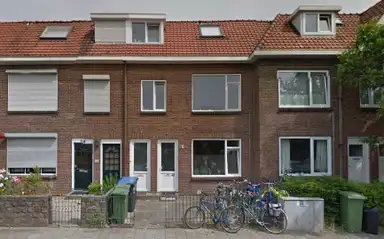
The streets immediately around the Heyendaalseweg and Kapittelweg are the most desirable for Radboud students who want a short walk to lectures. Demand here is fierce precisely because the supply is limited: most of the housing stock is older terraced housing and mid-century apartments shared among students. Expect to pay at or slightly above the city room average and move quickly when something appears.
Nijmegen-Oost: student density east of the Kronenburgpark
Nijmegen-Oost covers the residential streets east of the Kronenburgpark and stretches toward the older Altrade district. It is one of the densest student areas in the city, full of large houses split into kamers. The weekly Saturday market at the Van Schaeck Mathonplein is a local reference point, and the neighborhood sits on several bus lines to both the campus and the Centraal station.
Rents here tend to track slightly below the Heyendaal immediate area, partly because the cycle to campus takes 10–15 minutes rather than 5. For students who want a social neighborhood with local shops and a direct transit connection, Nijmegen-Oost offers more practical depth than pure campus proximity.
Quick tip: register for housing before your induction week:
Set up saved searches and alerts on RentHunter for your preferred Nijmegen neighborhoods at least 8 weeks before your intended move-in date. The SSH& waitlist, private room listings, and studio offers all peak simultaneously in late July and August. Responding within the first hour of a listing going live is the single biggest advantage you can give yourself.
Settling in Nijmegen: five steps in the right order
Sign the lease and get the keys first
Everything else depends on having a signed rental contract with a Nijmegen address. Landlords typically ask for a copy of your ID, proof of income or a guarantor declaration, and sometimes a bank statement. As a student with a Dutch study grant (DUO), the grant letter itself is generally accepted as proof of income. Confirm this in writing before signing.
Register at the Gemeente Nijmegen within five days
Dutch law requires you to register your address at the local municipality (Gemeente) within five days of moving in. In Nijmegen, this means booking an appointment at the Stadhuis on the Korte Nieuwstraat. Bring your passport, your rental contract, and the landlord's permission if you are subletting. The registration activates your BSN (citizen service number), which you need for everything from opening a bank account to enrolling in health insurance.
Apply for huurtoeslag if your rent qualifies
Huurtoeslag (rent allowance) is available to students and low-income renters whose rent falls below the national threshold set by the Belastingdienst. Rooms in shared housing frequently fall within the eligible range. You can only apply once you have a BSN and a registered address, so this step logically follows step 2. Apply through the Belastingdienst website, and back-claim from the month of your registration, not from when you apply.
Arrange a guarantor before signing anything
Private landlords in Nijmegen frequently require a guarantor (borg) for students who cannot show 3x the monthly rent in net income. This is especially common in the room market. A parent or guardian based in the Netherlands is the simplest solution. If your guarantor is based abroad, some landlords accept it with a notarized declaration, but confirm this in advance. Radboud University's International Office can sometimes point international students toward housing guarantee services.
Inspect the property and document everything on day one
Before you move in a single box, photograph every room, every wall, every appliance, and every defect. Send the photos to your landlord by email the same day. In Nijmegen's student market, deposit disputes at move-out are common, and a timestamped email trail is your protection. The average deposit here is 1.07 months of rent, so on a €1,026/month apartment that is roughly €1,100 at stake. Do not skip this step.
Nijmegen rental market: common questions answered
How expensive is renting in Nijmegen compared to Arnhem?
Nijmegen's average rent of €1,026/month is 6% higher than Arnhem. The gap is largely driven by the student housing market: Arnhem has no major research university pulling tens of thousands of students into a concentrated rental zone. For those with flexible commute preferences, Arnhem can be a viable base, especially for the Nijmegen job market given the short train connection.
Is the hospiteeravond still the norm for rooms in Nijmegen?
Yes, and more so than in many Dutch cities. The shared housing culture in Nijmegen, particularly in the student streets around Heyendaal and Nijmegen-Oost, still gives significant weight to the hospiteeravond. Housemates typically have veto rights over who joins. Prepare a genuine, brief introduction in Dutch or English, demonstrate that you are reliable with payments, and be honest about your schedule. Overselling yourself or arriving unprepared are both quick ways to lose the room.
What is the realistic timeline for finding a room in Nijmegen?
For a September start, begin actively searching in June at the latest, with May being significantly better. The busiest two weeks of the entire year are mid-July to early August, when most outgoing students confirm their departures and new listings spike. If you are searching outside of the September cycle, January to February sees a secondary peak. Students who plan for a 6-to-8-week active search window with multiple backup options tend to land housing without a gap period.
Is Nijmegen worth it if I could commute from Utrecht or Eindhoven?
The journey from Utrecht to Nijmegen takes around 48 minutes by public transit, and from Eindhoven around 63 minutes. Both are feasible for occasional travel, but daily commuting to Radboud lectures or clinical rotations at Radboudumc adds up fast in time and OV-chipkaart costs. Most students choose to live in or near Nijmegen for the flexibility of cycling to campus rather than relying on the intercity connection. If your role is office-based in Nijmegen but you prefer larger-city living, Utrecht's rental market offers more supply at a higher price point.
Are there houses for rent in Nijmegen suitable for families?
Houses make up 7% of Nijmegen's rental stock, averaging €1,552/month for 113 m². They are concentrated in the quieter residential districts of Dukenburg, Lindenholt, and parts of Lent across the river. These areas have more parking (above the city's 21% average) and a higher share of gardens among the listings. For researchers at Radboud or medical staff at Radboudumc relocating with a family, these neighborhoods offer a more spacious layout than the student-dense inner city. Browse houses in Nijmegen for the current picture.