Apartments, rooms and studios for rent in Castricum


Stop refreshing, get daily matches
Stop refreshing, get daily matches
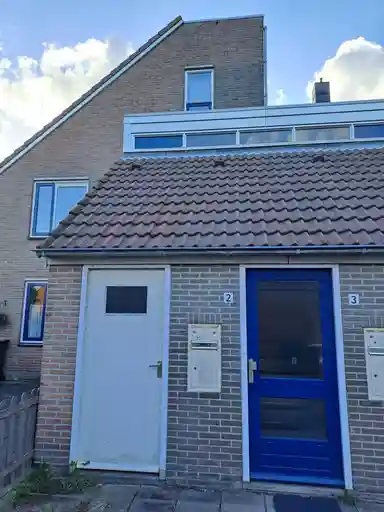
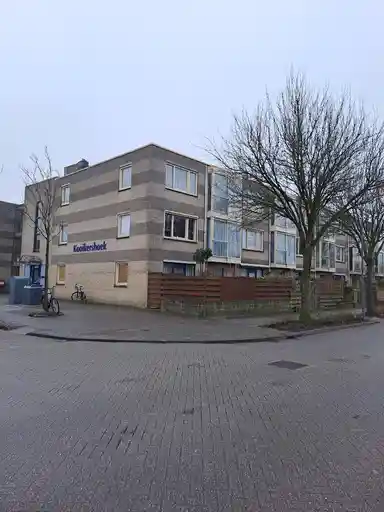

Castricum at €1,280: coastal commuter comfort
Picture cycling from your apartment through Castricum's quiet residential streets to the Saturday market at Dorpsplein, then catching the train to Amsterdam for work on Monday morning. This Noord-Holland town draws renters who want small-town peace with big-city access. Based on over 200 listings tracked on RentHunter, the average rent sits at €1,280 across 80 square meters.
Castricum's rental landscape reflects its dual identity: close enough to Amsterdam for daily commuting (24 minutes by train), yet surrounded by dunes and nature reserves that keep the pace unhurried. Most renters here are working professionals who've outgrown city living but still need the economic opportunities nearby.
Apartments dominate (65% of market)
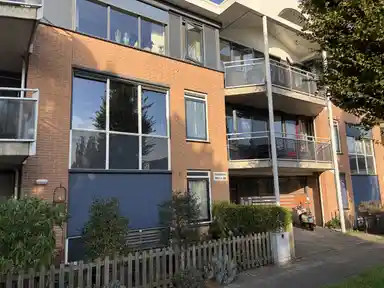
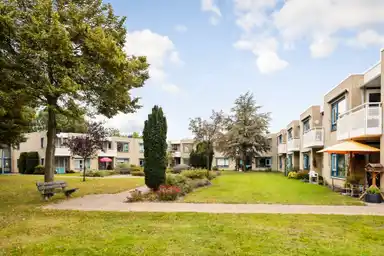
- Apartments (€1,285 average)The backbone of Castricum's rental market, making up 171 of the tracked listings with an average 80 square meters. Apartments in Castricum range from modern blocks near the station to converted units in older residential areas. Many include balconies (37% of all listings) and about one-third offer parking spaces.
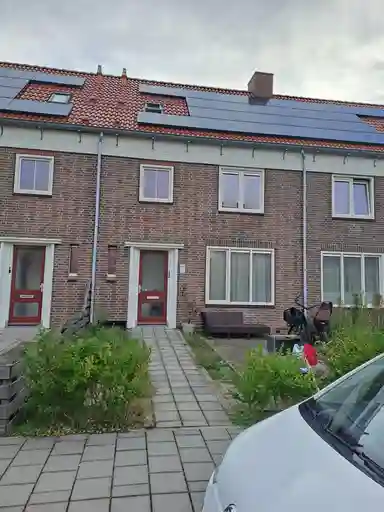
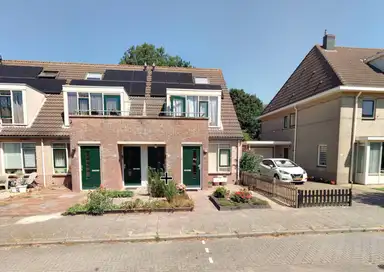
- Houses (€1,391 for 93m²)Single-family homes represent 29% of the market with 76 listings tracked. Houses in Castricum offer more space and often include gardens (32% of all properties have outdoor space), appealing to families or remote workers who need room to spread out. The premium over apartments reflects the extra square meters and privacy.
Living between dunes and commuter rails
Castricum balances two distinct rhythms: the weekly pulse of commuters heading to Amsterdam and the slower pace of a Noord-Holland coastal town surrounded by nature reserves.
Amsterdam connection (24 minutes)
The morning exodus to Amsterdam defines Castricum's weekday rhythm. NS trains run frequently during peak hours, making the capital accessible for work while preserving the quiet evenings back home. Many residents who've priced out of Amsterdam find Castricum offers similar access to jobs and culture with dramatically lower housing costs and more space per euro.
Weekend coastal life
When Friday evening arrives, Castricum transforms from commuter base to coastal retreat. The Kennemer Duinen stretch just west of town, offering hiking trails and beach access within cycling distance. Saturday mornings bring the weekly market to Dorpsplein, where locals gather for fresh produce and the social rhythm that makes small-town life appealing after a week in the corporate world.
Parking reality check:
Only 32% of Castricum rentals include dedicated parking, despite the car-dependent lifestyle. Many renters end up street parking or cycling to the station. Factor this into your housing search if you own a car and work in Amsterdam.
Commuting from Castricum
Castricum's appeal centers on its train connections, particularly the direct line to Amsterdam that makes city jobs accessible from this Noord-Holland base.
Amsterdam (24 minutes)
The direct NS line puts Amsterdam Centraal within easy reach during weekday rush hours. Trains run every 15 minutes during peak times, filling with Castricum residents heading to jobs in finance, tech, and creative industries. The journey cost runs about €7 each way, but monthly subscriptions reduce the per-trip expense significantly.
Haarlem (15 minutes)
The same Amsterdam line stops in Haarlem first, creating a closer alternative for shopping, dining, and cultural activities. Haarlem offers many of Amsterdam's amenities without the capital's intensity, making it a natural weekend destination for Castricum residents who want urban energy without the full commute to Amsterdam.
Smart commuting strategy:
Consider dal-uren (off-peak) travel for 40% savings on train tickets. The NS subscription also covers local buses around Noord-Holland, useful for reaching Haarlemmermeer businesses or Schiphol Airport jobs without transferring in Amsterdam.
Renting questions for Castricum
What's the typical rent range in Castricum?
Based on tracked listings, Castricum averages €1,280 per month across all property types. Apartments cluster around €1,285 for 80 square meters, while houses command €1,391 for the extra space (93m² average). The range spans from €205 to €3,900, reflecting everything from shared rooms to luxury family homes.
How competitive is the rental market here?
Less frantic than Amsterdam but still requires quick action. Castricum appeals to commuters priced out of the capital, so good properties move within days rather than hours. The 81% registration-possible rate means most listings offer legitimate long-term housing, reducing competition from short-term seekers.
Is parking included in most rentals?
Only 32% of listings include parking, despite Castricum's car-friendly layout. Many residents park on residential streets or use the free P+R lot near the train station. If you own a car and plan to commute by train, factor in the walk from street parking to your home.
What should I budget for monthly living costs?
Beyond the €1,280 average rent, factor in train travel (€150-200 monthly for Amsterdam commuting), groceries (similar to Amsterdam prices), and utilities if not included. The 0.83-month average deposit is lower than many Dutch cities, easing the upfront costs when securing housing.