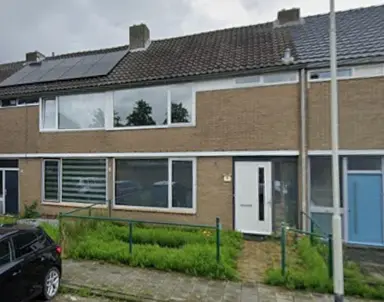
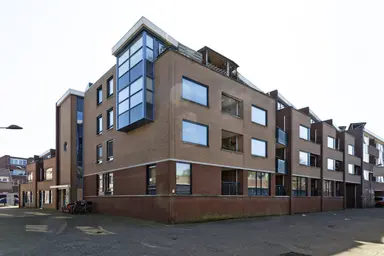
Apartments, rooms and studios for rent in Roosendaal
Roosendaal: regional anchor at €1,023/month
Imagine cycling from your apartment near the Grote Markt to catch the Saturday market, then hopping a train to your job in Rotterdam. This is Roosendaal's rental reality: a Noord-Brabant hub where regional living meets metropolitan access. Based on over 1,300 listings tracked on RentHunter, the market averages €1,023/month across 57 m² spaces, serving everyone from border commuters to local families.
What defines Roosendaal's rental landscape is its role as a genuine regional center rather than a bedroom community. The city's 77,163 residents generate their own housing demand, while the strategic position near Belgium and major Dutch cities adds another layer. Unlike pure commuter towns, Roosendaal maintains its own economic base, reflected in rental stock that balances local affordability with modern amenities.
A rental market shaped by affordability
Roosendaal offers compelling math for Noord-Brabant renters: average rents run 23% below Breda, the regional capital, while maintaining comparable amenities and superior rail connections. At €1,023 monthly across an average 57 m², the market sits in a sweet spot between rural isolation and metropolitan premium pricing.
The fundamentals reveal a balanced market. With 62% of listings offering registration possibility and average deposits holding steady at 1.16 months, landlords compete on practical terms rather than exploiting scarcity. Only 21% of properties come furnished, signaling a market oriented toward longer-term residents rather than short-stay professionals. The 23% parking rate reflects Roosendaal's bike-friendly infrastructure, while 21% include private gardens, capturing the city's suburban character within easy reach of major employment centers.
Rent distribution spans €250–€3,000, but the market's center of gravity sits well below peak Noord-Brabant pricing. This positioning attracts both young professionals priced out of Rotterdam and established residents seeking regional stability without sacrificing urban access.
Apartments lead (64% of stock)
Roosendaal's rental composition reflects its regional hub status, with apartments dominating 64% of the market. This concentration stems from steady post-war development and modern infill projects, creating diverse options from canal-side conversions to contemporary complexes near the station.
Apartments (64% of market)
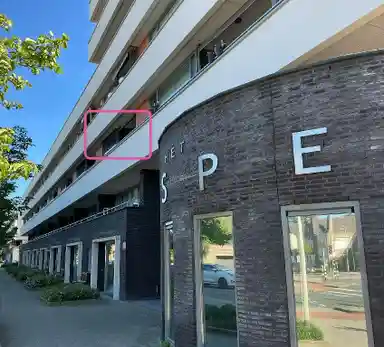
The backbone of Roosendaal's rental market. At €1,081/month for 63 m², apartments in Roosendaal deliver competitive value for Noord-Brabant. Options range from converted townhouses near the Grote Markt to purpose-built blocks around Rosada shopping center. The 881 tracked listings show consistent availability without the bidding wars seen in Utrecht or Amsterdam.
Studios: compact living at €795
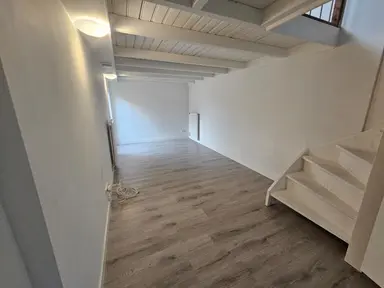
Covering 13% of the market with 181 listings, studios in Roosendaal average €795/month for 27 m². Popular among young professionals working locally or commuting to Rotterdam, these spaces cluster around the station area and newer developments near the ring road. The compact format suits Roosendaal's transit-oriented lifestyle.
Houses: family choice at €1,401
Though only 11% of the market, houses in Roosendaal command €1,401/month for 102 m² of family space. The 153 listings concentrate in residential neighborhoods like Burgemeester Freijterslaan and around Terbregge. These properties target established families attracted by Roosendaal's school quality and regional accessibility while avoiding metropolitan housing costs.
Rooms: budget entry at €606
At 12% of the market with 162 listings, rooms in Roosendaal average €606/month for 20 m². Popular among students commuting to Breda or Tilburg universities and young workers starting their careers, these shared accommodations cluster around the station and in converted family homes near the center. The room market serves as Roosendaal's gateway for first-time independent renters.
Living areas: station to suburbs
Roosendaal's rental geography spans from the transit-heavy station quarter to family-oriented suburbs, each serving different renter profiles. The city's compact size means nowhere feels isolated from amenities or transport connections.
Station area: transit-focused living
The neighborhoods around Roosendaal Centraal attract commuters and young professionals with apartments and studios in modern blocks. Rental prices reflect the premium for walkable access to the station, making this area ideal for those working in Rotterdam or Den Haag. The nearby Rosada shopping center adds urban conveniences within cycling distance.
Terbregge: suburban family territory
This residential expansion east of the center offers family houses and newer apartment complexes popular with established residents. The area features better parking availability and garden access, with schools and playgrounds supporting the family demographic. Cycling to the station takes 10-15 minutes through quiet residential streets.
Historic center around Grote Markt:
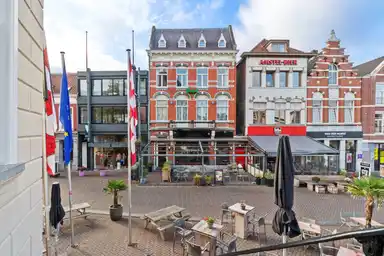
The oldest part of Roosendaal combines character with convenience. Converted townhouses offer unique rental spaces, though parking can be challenging. Saturday markets and local cafés create a village atmosphere within the regional center, popular with renters who prioritize walkable amenities over modern finishes.
Commuting from Roosendaal
Roosendaal's strategic rail position makes it a commuter hub for multiple Dutch cities. Direct services reach major employment centers within reasonable travel times, supported by frequent departures throughout the day.
Rotterdam (33 minutes)
The most popular commute destination from Roosendaal. Direct trains run every 30 minutes to Rotterdam Centraal, making it feasible for professionals working in the port, financial district, or tech sector. The 33-minute journey fits comfortably within Dutch commuting norms, though rush-hour crowds can be intense.
Den Haag and Amsterdam access
Government workers and corporate professionals use Roosendaal as a base for Den Haag (49 minutes) and Amsterdam (62 minutes) positions. While longer than ideal for daily commuting, these connections work for hybrid schedules or specialized roles. The Intercity service provides comfortable seating and reliable timing for the journey north.
NS flex-working benefits:
Roosendaal commuters benefit from NS Dal Voordeel (off-peak discount) and various business travel subscriptions. The station includes bike parking for over 2,000 cycles, supporting the Dutch first-mile/last-mile approach. Early morning trains from 5:30 AM accommodate diverse work schedules across the Randstad.
Common questions
How does Roosendaal's rental market compare to nearby cities?
Roosendaal averages €1,023/month, running 23% below Breda's €1,402 average while maintaining comparable transit access. This positions it as a value alternative for Noord-Brabant renters, particularly those commuting to Rotterdam or working locally. The price gap reflects Roosendaal's role as a regional center rather than a metropolitan suburb.
What's driving rental demand in Roosendaal?
Three factors create steady demand: commuters priced out of Rotterdam and Den Haag seeking affordable alternatives, local employment in logistics and cross-border commerce, and families attracted to Noord-Brabant living without metropolitan costs. The 11% expat-targeted listings reflect growing international business presence, while low student targeting (10%) distinguishes Roosendaal from university-driven markets like Tilburg.
Is parking included with most Roosendaal rentals?
Only 23% of Roosendaal rentals include dedicated parking, reflecting the city's bike-centric culture and compact urban design. Street parking remains free in most residential areas, though the station district has time limits during weekdays. Properties in suburban developments like Terbregge more commonly offer parking, while central locations often rely on bicycle infrastructure and public transit access.
How competitive is the Roosendaal rental market?
Moderate competition without the extreme pressure seen in Amsterdam or Utrecht. Decent properties receive multiple inquiries but rarely spark bidding wars, especially outside the station area. The 62% registration rate and reasonable deposit requirements (1.16 months average) indicate a more balanced landlord-tenant relationship than in overheated university towns. Response time matters, but applicants typically have days rather than hours to decide.
Apartments, rooms, studios & houses for rent in the Netherlands