Apartments, rooms and studios for rent in Hilvarenbeek


Stop refreshing, get daily matches


Hilvarenbeek rentals: the Tilburg premium explained
Hilvarenbeek is the kind of Noord-Brabant town where people actually stay. The Wilhelminastraat stays quiet on weekday mornings, the weekly market on the Vrijthof draws regulars who've been coming for decades, and the rental stock turns over slowly because tenants hold on to what they find. That slow turnover is both the appeal and the challenge: when a house or apartment does come up here, it goes fast.
The rental market here runs about 6% above Tilburg levels, which surprises people who expect a small town to be cheaper. What you're paying for is space, green surroundings, and a genuinely different pace of life from the city. Families who've relocated from Tilburg or Eindhoven are a large part of the demand. RentHunter tracks listings across the area, and the picture is consistent: supply is limited and turnover is low.
What actually comes up for rent here
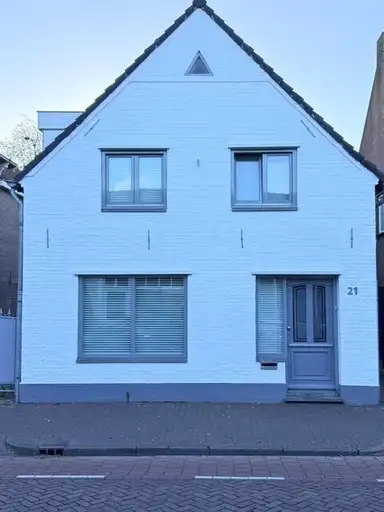
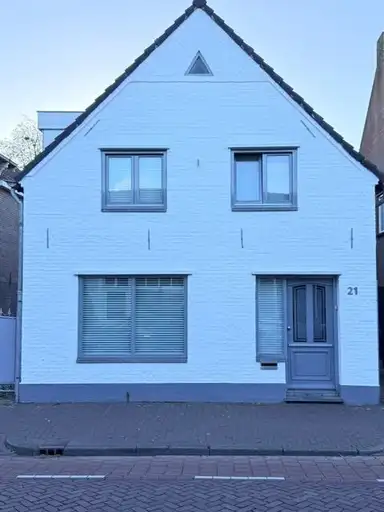
- Houses: the dominant rental type Standalone houses and terraced houses make up the bulk of what's listed in Hilvarenbeek. These typically come with a garden, a garage or driveway, and more floor space than comparable rents would get you in the city. Prices run above the Tilburg average, reflecting both the demand from families leaving the city and the limited supply coming to market each year. Many rentals are private landlord arrangements that never reach the major platforms.
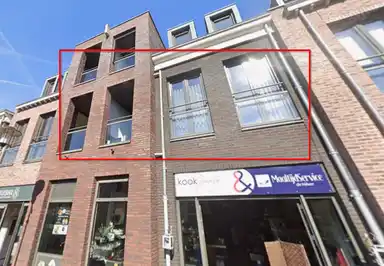
- Apartments and studios: scarce but present Smaller units do exist in Hilvarenbeek, mostly in the older residential streets close to the Vrijthof. They tend to appear infrequently and are typically taken quickly. If a studio or compact apartment is what you need, it's worth monitoring listings closely, as new supply is unpredictable. For a deeper pool of apartments, Eindhoven and Breda offer far more choice at comparable or lower price points.
Life in Hilvarenbeek: who moves here and why
Hilvarenbeek has about 15,000 residents spread across the main village and a handful of smaller kernen like Diessen, Biest-Houtakker, and Esbeek. The population is predominantly family-oriented, with a noticeable share of people who moved out of Tilburg when their household grew. The Brabant identity is strong here: the local Carnaval celebrations are serious business, the dialect is still widely spoken, and the social fabric of the place is tight in a way that bigger cities aren't.
The Beekse Bergen safari park sits just north of the centre, which gives the area an unusual character for a town this size. Families with young children specifically name it as a reason they chose Hilvarenbeek over other commuter options. The Reusel river valley and the surrounding Kempen landscape are the other constant reference point: people move here for outdoor space, and that demand drives up prices relative to what you'd expect.
Weekly market and local rhythm on Vrijthof
The weekly market on the Vrijthof is the social centre of the town in a way that goes beyond shopping. It runs on Wednesday mornings and pulls in residents from Diessen and Esbeek as well as the main village. The square itself, flanked by the Sint-Pieterskerk, is the reference point that new residents quickly learn. Most addresses in the centre are within a short walk of it. For a town of 15,000, the local amenities are solid: there's a reasonable supermarket presence, a handful of independent shops along the Gelderstraat, and enough to handle daily life without driving to Tilburg for every errand.
Practical tip: move fast on private rentals
A significant portion of rentals in Hilvarenbeek circulate through local word-of-mouth before they're ever listed online. If you have a connection in the area, use it. For the listings that do appear online, response time matters enormously: this is not a market where you can sleep on an inquiry for two days. Set up alerts on RentHunter and reply within hours, not days.
Commuting from Hilvarenbeek
Hilvarenbeek has no train station of its own. Getting to the nearest rail connection means either cycling or taking a bus to Tilburg Centraal, which adds time to any public transit journey. Most residents who commute to the cities listed below do so by car, which is worth factoring in when you compare the cost of renting here versus renting closer to your workplace.
Tilburg (~15 km, nearest rail hub)
Tilburg is the most natural daily destination for Hilvarenbeek residents. By car the journey takes around 20 minutes via the N269. By public transit it's longer, typically over 30 minutes depending on connections. For those working in Tilburg, the price premium of renting in Hilvarenbeek becomes a genuine trade-off calculation. If you want to compare what that premium buys you in the city itself, the Tilburg rental market is 6% cheaper on average.
Eindhoven (~57 min by public transit)
Eindhoven is reachable in around 57 minutes by public transit, though most commuters covering this distance do so by car, cutting the time to roughly 30–40 minutes depending on traffic. Eindhoven is the main tech and design employment hub in this part of Noord-Brabant, so this connection matters for anyone working at ASML, Philips, or the High Tech Campus. If your work ties you firmly to Eindhoven, it's worth checking rentals in Eindhoven directly to weigh the commute cost against the rent difference.
Car commuters: dal-uren for the return trip
If you do rely on public transit for occasional trips into Tilburg or Eindhoven, the NS dal-uren discount (off-peak hours, generally before 06:30 and after 09:00 in the morning, and after 18:30 in the evening) can reduce costs noticeably on a monthly basis. For Hilvarenbeek residents who don't commute daily by train but make regular trips a few times per week, a subscription calibrated to off-peak travel is usually more economical than a full week subscription.
FAQ: renting in Hilvarenbeek
Why are rents in Hilvarenbeek higher than in Tilburg?
Hilvarenbeek averages around 6% above Tilburg's rental level, which is unusual for a small town relative to a larger city nearby. The explanation is mainly supply and demand: very few properties come to market each year, and the demand comes from families who specifically want low-density living near the Kempen and Beekse Bergen area. The stock of houses is large relative to apartments, and houses in this area command a premium that the urban Tilburg market doesn't replicate.
Is it realistic to rent in Hilvarenbeek without a car?
For daily life within the main village, it's workable. The center is compact, groceries are reachable on foot or by bike, and the weekly market is a five-minute walk from most central addresses. The challenge is connections to Tilburg and beyond: there is no train station, and bus services are infrequent outside peak hours. If you work in Tilburg and don't own a car, budget extra time for the bus connection to Tilburg Centraal. If your work is in Eindhoven or further, a car is close to essential.
Are short-term rentals available in Hilvarenbeek?
Short-term rentals are rare in Hilvarenbeek. The market is predominantly long-term, and landlords here typically look for stable, multi-year tenants. Furnished short-term options do appear occasionally, often linked to expat relocations or contract work at companies in the Tilburg or Eindhoven region, but they're not a reliable part of the market. If you need flexibility, you'll have better options in Tilburg or Eindhoven where the rental volumes are higher and short-term supply is more consistent.
Which kernen of Hilvarenbeek are most popular for renters?
The main village of Hilvarenbeek itself concentrates most of the rental supply, particularly around the Vrijthof and along the Gelderstraat and Vrijthofstraat corridors. Diessen, the second-largest kern, occasionally has rental houses come up and suits families looking for even quieter surroundings. Biest-Houtakker and Esbeek see very little formal rental activity and are largely owner-occupied. For new arrivals, the main village gives you the best combination of amenities and housing turnover.