Houses for Rent in Beuningen, Netherlands
Nearby listings
Listings in neighboring areas that might interest you.
Within 10 km
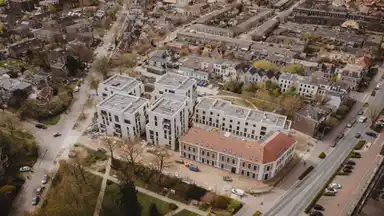
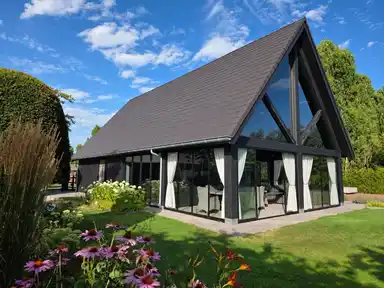
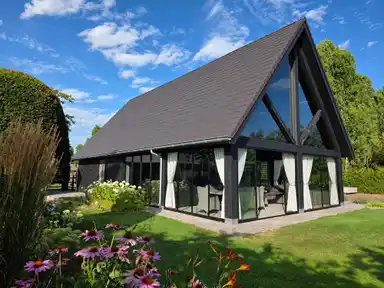
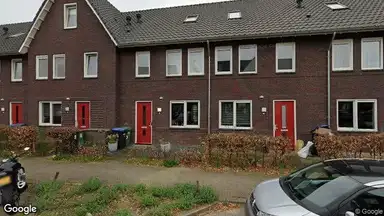
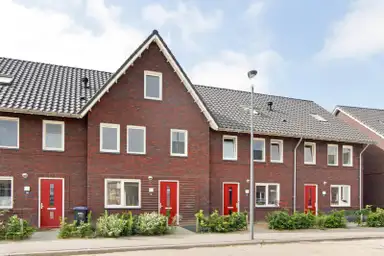
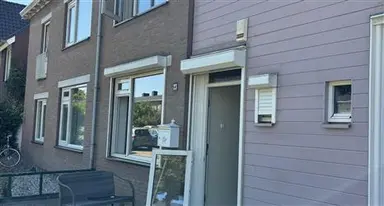
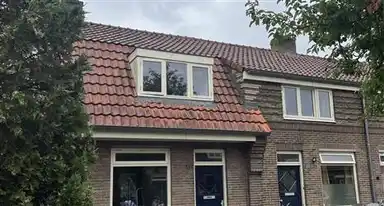
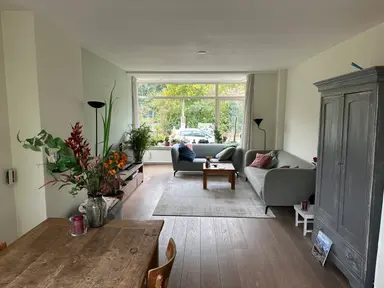
Houses in Beuningen: ~23% below Arnhem prices
Renting a house in Beuningen means trading the high rents of a major city for genuine living space: a garden, a driveway, and a quiet street in a municipality of around 25,000 people along the Waal river in Gelderland. The house market here is dominated by family homes, semi-detached and terraced houses built mostly in the post-war decades, which suits couples and families looking for room to breathe rather than a compact city apartment.
Prices run around €1,656/month on average, which is roughly 23% below comparable houses in Arnhem. That gap is significant for anyone working in the Arnhem–Nijmegen region who wants a full house rather than a smaller city dwelling. RentHunter tracks listings across the major Dutch rental platforms so you can compare all available houses in Beuningen in one place.
Beuningen sits just west of Nijmegen, which means you get access to a large city's amenities while paying small-town rental prices. The local market moves at its own pace: listings appear less frequently than in Arnhem or Nijmegen, so it pays to act quickly and have your documents ready when something comes up.
Where houses in Beuningen actually sit
Beuningen is a compact municipality made up of several distinct kernen (village cores): Beuningen itself, Weurt, Ewijk, and Winssen. Each has its own character, and the type of house available differs between them. For families weighing up houses in Nijmegen as an alternative, note that Nijmegen prices run noticeably higher.
Beuningen kern: post-war family streets near the Waal dike
The main kern is where you'll find the bulk of rental houses: mostly rijtjeshuizen (terraced houses) and two-under-one-roof homes built between the 1950s and 1980s, with small front gardens and generous backyards. The Waaldijk is within cycling distance and offers a proper outdoor escape on weekday evenings. Local amenities are modest but functional: a supermarket, a primary school, and a weekly Saturday market on the Dorpsplein keep daily life self-contained. This is the go-to area for families who want a rental house with a garden without paying Nijmegen prices.
Ewijk: riverside quiet with A73 motorway access
Ewijk is the smallest of the main kernen and has a distinctly rural feel. The Waalbandijk here runs directly along the river and you can watch barges pass while cycling home from the bus stop. Housing stock leans toward detached and semi-detached houses, often on larger plots than in the main kern. The A73 motorway junction makes car commuting toward Nijmegen and beyond straightforward. It suits professionals and families who genuinely want to feel outside the urban orbit, with the trade-off of fewer on-foot amenities.
Weurt: industrial edge, lower rents, near Nijmegen's west boundary
Weurt sits right on the border with Nijmegen and has a more mixed residential-industrial character. The port area along the Waal keeps it from being a classic family suburb, but rental houses here can be priced more attractively than elsewhere in the municipality. For anyone working on Nijmegen's western side, or at the industrial zones near the river, Weurt cuts the commute to almost nothing. The houses are older and the plots vary considerably, but for renters prioritizing value and proximity to Nijmegen, it's worth checking separately. It also borders the Meinerswijk nature reserve, which locals use year-round for cycling and walking.
Local tip: Beuningen has no direct train station:
Beuningen has no train station of its own. Most residents cycle to Nijmegen station (around 10–15 minutes by bike through the Waalbrug or via the ferry at Weurt) or take the bus. If you plan to commute by public transit regularly, factor in this first leg when assessing the total travel time to your workplace.
Renting a house in Beuningen: what to expect on price and process
At an average of around €1,656/month, Beuningen's house rents are meaningfully lower than Arnhem, where comparable family houses average roughly 23% more. For a three-bedroom family house with a garden, you're typically looking at somewhere in the €1,500–€1,900 range depending on the kern and the age of the property. Larger detached houses will sit at the upper end or beyond. If you're drawn to something more premium, luxury houses in Nijmegen give you a sense of what's available one step up in the region.
The rental process in Beuningen follows standard Dutch practice. Landlords typically ask for proof of income (usually 3–4 times the monthly rent as gross salary), recent payslips, a copy of your ID, and a BSN number. If you're new to the Netherlands, registering at the gemeente (Gemeentehuis Beuningen on Raadhuisplein) as soon as you have a rental contract is essential for everything from healthcare to banking. Some landlords will ask for a guarantor if your income is borderline or your employment is recent.
Furnished houses are rare in Beuningen; the market runs almost entirely on unfurnished or basic (kale) rentals. Budget separately for white goods, flooring, and window coverings, these are often not included even in what is described as semi-furnished. Because the supply of available houses in the municipality is limited at any given time, responding the same day as a listing goes live makes a real difference.
Commuting from Beuningen
Beuningen sits in the Arnhem–Nijmegen metropolitan area, which means most commutes involve first reaching Nijmegen station by bike or bus, then continuing by train. The A73 and A15 motorways are both accessible within minutes by car, making driving an alternative worth comparing for routes where public transit times are long. Browse all rentals in Beuningen to filter by zone if your workplace location matters.
Nijmegen (~10 min by bike + train hub)
Nijmegen is the natural daily hub for Beuningen residents. Most people cycle across the Waalbrug in under 15 minutes and catch a train from Nijmegen Centraal. The city is home to Radboud University and the Radboudumc hospital, two of the largest employers in the region. For anyone commuting by car, the ring road takes about 10 minutes in non-rush-hour conditions. If you're comparing housing costs, houses in Arnhem offer a useful benchmark for the wider Gelderland region.
Arnhem (~30 min by car, ~45 min by public transit)
Arnhem is the provincial capital of Gelderland and a major employment hub with a strong presence of financial services, government, and logistics companies. The drive via the A325 takes around 30 minutes in normal traffic. By public transit via Nijmegen Centraal, expect around 45 minutes. Given that Beuningen's house rents are around 23% below Arnhem's, the combination of a Beuningen address and an Arnhem workplace is financially attractive for families who don't mind the commute.
Utrecht (~87 min by public transit)
Utrecht is reachable in about 87 minutes by public transit from Beuningen, typically via Nijmegen Centraal and the intercity train. That's on the edge of a daily commute but not unusual for Dutch workers in high-demand sectors, especially when Beuningen's significantly lower house rents offset the extra travel time. Utrecht is the Netherlands' central rail hub, so connections onward to Amsterdam or Den Haag add further from there.
Off-peak hours cut transit costs by up to 40%:
NS dal-urenkorting (off-peak discount) gives you up to 40% off train fares if you travel outside the 6:30–9:00 and 16:00–18:30 rush windows on weekdays. For Beuningen commuters who have any flexibility in start time, this can add up to hundreds of euros saved annually on the Nijmegen–Arnhem or Nijmegen–Utrecht routes.
FAQ: renting a house in Beuningen
Is renting a house in Beuningen cheaper than in Arnhem?
Yes, significantly. Houses in Beuningen average around €1,656/month, roughly 23% below comparable properties in Arnhem. For a family looking for a three-bedroom house with a garden, that gap represents a meaningful annual saving. The trade-off is a smaller local housing supply and the need to factor in the commute to Arnhem if that's your workplace.
Are there houses with gardens available to rent in Beuningen?
Yes, a garden is the norm rather than the exception for houses in Beuningen. The post-war terraced and semi-detached houses that make up most of the rental stock typically come with a front garden and a backyard. In the main kern, backyards tend to be modest but functional; in Ewijk, plots are generally larger. When searching, filter for 'tuin' in your listing search and mention it clearly to the landlord or agency, as some listings describe a property as a house but the outdoor space may be a shared courtyard.
Can expats rent a house in Beuningen without a Dutch employment contract?
It's possible but harder. Most private landlords in smaller municipalities like Beuningen prefer stable, verifiable income and a Dutch work contract. If you have a fixed-term contract from a Dutch employer, most landlords will accept it alongside recent payslips. Without a contract, some landlords accept a letter of employment from a recognized international company, a larger deposit (sometimes 3 months), or a guarantor. Beuningen has fewer professional letting agents than Nijmegen or Arnhem, so more landlords deal directly and make decisions case by case.
Is parking at a rental house in Beuningen generally included?
In most cases, yes. The majority of houses in Beuningen come with at least a driveway or space for one or two cars on the property. Unlike Nijmegen or Arnhem city centre, there are no paid parking zones in Beuningen's residential areas, so street parking is free. If you need a garage or covered parking, check the listing carefully as these are less common and sometimes offered as a separate optional add-on by the landlord.
Are pet-friendly rental houses hard to find in Beuningen?
Less so than in a major city. Private landlords in smaller municipalities like Beuningen tend to be more flexible about pets than institutional landlords in city apartment blocks, particularly for houses with private gardens. That said, it is never guaranteed: always ask explicitly before signing, and put any pet permission in writing in the contract or as an addendum. Dogs and cats are usually the easiest to get approved; exotic or large animals will meet more resistance. Mentioning the garden as part of your case can help when negotiating with a landlord.