Apartments, rooms and studios for rent in Enkhuizen
Nearby listings
Listings in neighboring areas that might interest you.
Within 15 km
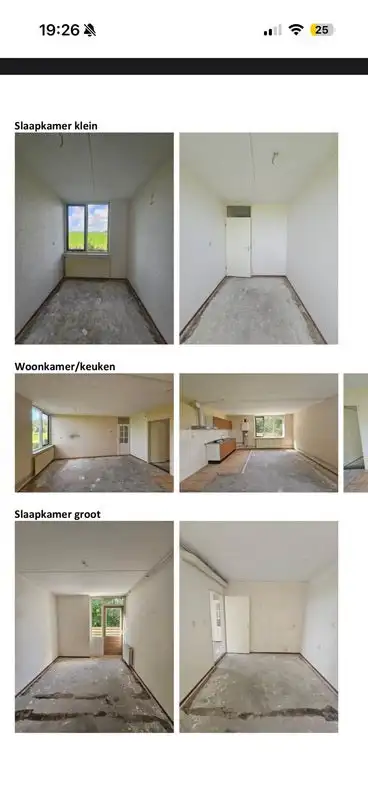
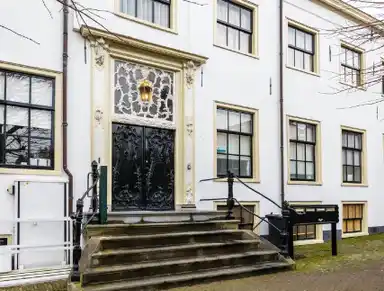
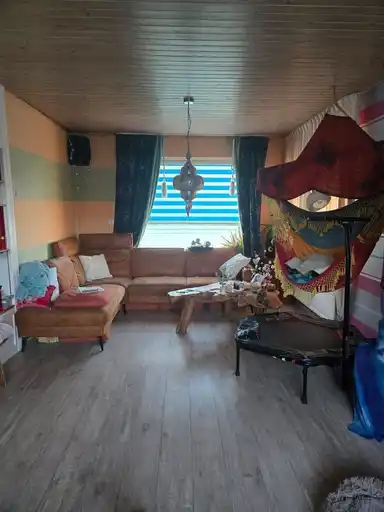
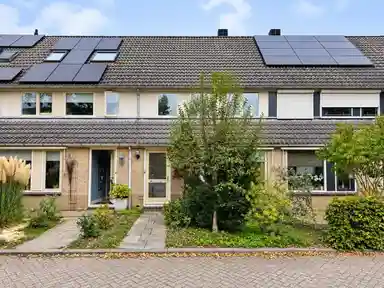
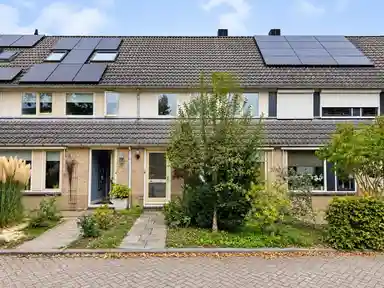
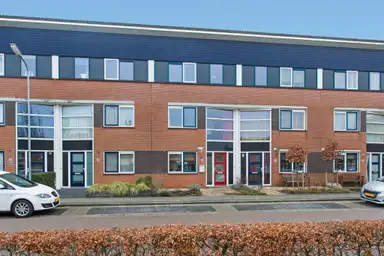
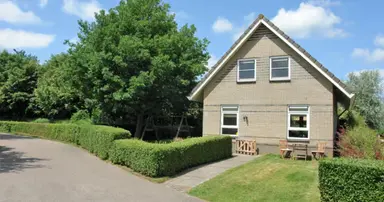
Is Enkhuizen still affordable?
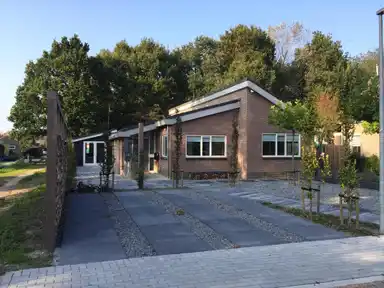
Enkhuizen sits at the eastern tip of Noord-Holland, where the Markermeer begins and the pace of daily life slows considerably compared to the Randstad. With around 18,500 inhabitants, it is genuinely small-town, and that shows directly in the rental market. Prices here run roughly 35% below those in Almere, which means renters who can manage the commute to larger employment centers often find space they simply could not afford closer in. The stock leans toward houses and apartments in low-rise blocks, many built in the 1960s–1980s expansion zones south and east of the historic kern.
For anyone browsing RentHunter, Enkhuizen sits in a niche between a weekend-escape town and a genuine residential base. The market is tight on volume, listings move quickly, and social-housing corporations (mainly Intermaris) control a substantial share of the stock. Private rental options exist but are limited, so the moment something new appears it tends to attract fast attention. That reality rewards renters who set up alerts and move on viewings within a day.
Rental stock: what Enkhuizen actually offers
- Apartments: the most common private-rental optionApartments in Enkhuizen are predominantly ground-floor or first-floor units in low-rise blocks from the postwar decades. Imagine settling into a flat near the Drommedaris tower, cycling through the old harbor gate each morning to pick up bread at the Westerstraat bakery. Sizes tend to be modest, often 50–80 m², and prices reflect the town's overall affordability relative to bigger Noord-Holland centers. Turnover is slow because tenants tend to stay once they settle, so patience is often required.
- Houses: family-sized rentals near the VijfhoekStandalone and semi-detached houses make up a real share of Enkhuizen's rental supply, especially in the quieter residential areas around the Vijfhoek quarter and the newer Kadijken expansion. These typically offer gardens and three or more bedrooms, which is practically impossible to find at comparable prices in Almere or Amsterdam. Rental houses here appeal primarily to families and couples looking for more floor space than an apartment provides. They are not always listed on mainstream platforms, so talking to local makelaars alongside a platform search is advisable.
- Studios and rooms: scarce but worth monitoringEnkhuizen is not a student town, so the room-and-studio segment is thin. There is no university or large vocational college driving a dedicated kamermarkt the way you see in Leiden or Groningen. Studios and single rooms do appear occasionally, often in converted older buildings near the Breedstraat or in the harbor quarter, but they are the exception rather than the rule. If your budget limits you to this category, it may also be worth looking at nearby Alkmaar or Purmerend, both of which have a broader supply in this segment.
Living in Enkhuizen: water, markets, and practical reality
The people who end up living in Enkhuizen tend to fit a few profiles: couples who left the Randstad pressure cooker and wanted a garden, older residents deeply rooted in the Noord-Holland fishing-town culture, and a smaller group of remote workers or part-time Amsterdam commuters who trade convenience for cost. There is no dominant young-professional scene, and nightlife is limited to a handful of brown cafés around the Westerstraat. That is not a drawback for the people who choose it.
The town's geography shapes everyday life in ways that renters quickly appreciate. The Markermeer is minutes from almost any address, and the Zuiderzeemuseum quarter to the north is a short cycle. The Saturday market on the Kaasmarkt draws locals from across West-Friesland, and the Edah-era infrastructure has been steadily modernized in the commercial center. Grocery options are solid for the population size, public green space is generous, and the local school catchment is manageable.
Noord-Holland identity, not Randstad pressure
Enkhuizen sits in the West-Friesland part of Noord-Holland, a sub-region with its own dialect, food traditions (think smoked eel from the former Zuiderzee fisheries), and a distinctly unhurried tempo. Renters who arrive from Amsterdam sometimes need a few weeks to adjust to a place where the butcher knows your name by week two and the harbor is genuinely quiet after eight in the evening. This is not a dormitory town that exists to serve a bigger neighbor. It has its own center of gravity, shaped by the old Dijk and the Zuiderhavengebied, where houseboats share the water with small sailing vessels.
Markermeer access from nearly every address
Imagine cycling from your apartment near the Boddenkamp to the Saturday market at the Kaasmarkt, stopping along the old harbor wall where fishing boats still moor in the Buitenhaven. The route takes under ten minutes regardless of which part of town you are in, because Enkhuizen is genuinely compact. The Markermeer dyke path runs directly along the eastern edge, offering a flat cycling route toward Hoorn that many residents use for commuting as well as leisure. In a town this size, proximity to water is not a premium feature reserved for one neighborhood, it is simply part of daily life.
Tip: check Intermaris listings directly:
A large part of Enkhuizen's rental market is controlled by Intermaris, the regional housing corporation serving West-Friesland. Social-housing listings from Intermaris will not appear on standard aggregator platforms. If you have a Dutch social housing registration (inschrijfduur matters here), register directly at their portal and keep your inschrijving active, years of registration are the primary selection criterion. Private rentals are what appear on aggregator platforms like RentHunter, but understanding both sides of the market gives you the full picture.
Commuting from Enkhuizen
Enkhuizen has a direct train connection to Amsterdam Centraal via Hoorn, which is the backbone of most commuting arrangements from this town. The station sits close to the center, and cycling to it from most residential areas takes under five minutes. For journeys south or west, you will typically change at Amsterdam or Hoorn. The trade-off is real: commuting adds time to your day, and the last trains back from Amsterdam run at a reasonable hour but not extremely late on weekdays. That shapes how residents structure their working days.
Amsterdam: ~51 minutes by train
The Enkhuizen–Amsterdam Centraal train runs via Hoorn and takes around 51 minutes. It is the primary reason renters in Enkhuizen can access Amsterdam employment without paying Amsterdam rents. Direct services run regularly during peak hours. Evening services thin out after 22:00, so early-morning starts or late-night work regularly in the city requires planning. Rental prices in Almere (the regional hub benchmark, averaging around €1,638/month) put Enkhuizen's 35% discount in sharp relief for anyone doing this calculation.
Utrecht and Den Haag: transfer-dependent journeys
Reaching Utrecht takes roughly 76 minutes and Den Haag around 93 minutes, both requiring a change at Amsterdam or another junction. Rotterdam sits at about 103 minutes. These are not impossible commutes but they are substantial, making Enkhuizen most practical for those whose primary work location is Amsterdam or who work remotely. For a broader regional perspective on the Noord-Holland rental landscape, comparing Enkhuizen with Alkmaar (around 40 minutes southwest by train) is useful: Alkmaar offers more rental volume and a larger job market within cycling distance of the station.
NS dal-uren and the OV-chipkaart rekensom:
If you work flexible hours, the NS dal-uren discount (off-peak travel before 06:30 and after 09:00 in the morning, and after 16:00 departures from Amsterdam back toward Enkhuizen) can reduce monthly train costs meaningfully. The Enkhuizen–Amsterdam return is not cheap at full price. A NS Business Card or an NS Flex subscription often pays off within two weeks of regular use. Load a sufficient balance on your OV-chipkaart before peak periods, top-up machines at Enkhuizen station are sometimes out of service.
Frequently asked questions about renting in Enkhuizen
How competitive is the private rental market in Enkhuizen?
Very competitive relative to the volume of listings. Enkhuizen is a small market: private rental listings are genuinely scarce, and when something new appears, multiple interested parties often contact the landlord within hours. There is no large student population inflating inquiry numbers, but the absolute supply is also thin. Setting up an alert on an aggregator is genuinely useful here, not just convenient. Response time matters more than in cities with abundant supply.
How do Enkhuizen rents compare to Almere and other nearby Noord-Holland towns?
Enkhuizen sits around 35% below Almere's average of roughly €1,638/month, making it one of the more affordable access points to the Noord-Holland region. It is comparable to or slightly below towns like Hoorn and Medemblik in the West-Friesland cluster. Purmerend to the southwest is a larger rental market; you can compare options at Purmerend if volume matters more to you than price savings. The affordability gap is real and persistent, driven by Enkhuizen's small size and distance from the main Randstad employment corridors.
Are short-term or furnished rentals available in Enkhuizen?
Short-term furnished rentals exist in Enkhuizen but are thin on the ground. The town has some holiday-use properties near the harbor that occasionally appear as medium-term rentals between tourist seasons, typically from September through April. These tend to be furnished but priced at a premium for the flexibility. If you need a short-term base while searching for a long-term rental, it can work, but you should not count on consistent availability. For a broader short-term market, looking at regional centers like Alkmaar gives more options.
What income requirements do Enkhuizen landlords typically ask for?
Private landlords in Enkhuizen follow roughly the same norms as elsewhere in the Netherlands: gross monthly income of three to four times the monthly rent is the standard benchmark. Because many properties here are managed by small private landlords rather than large institutional operators, there can be more room for individual conversation, especially if you can demonstrate stable employment or a guarantor. Self-employed renters should prepare recent tax returns (IB60 form or jaaropgave) along with current bank statements. The low volume of listings means landlords rarely struggle to find tenants, so presenting a complete file promptly is important.