Apartments, rooms and studios for rent in Het Hogeland
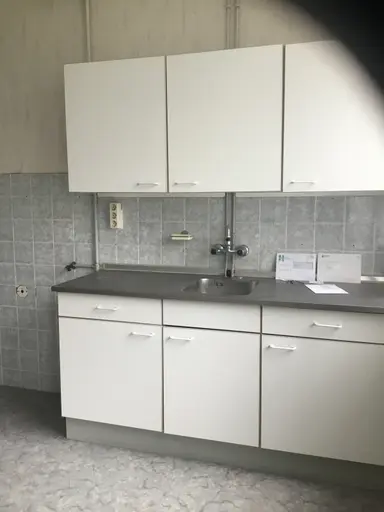
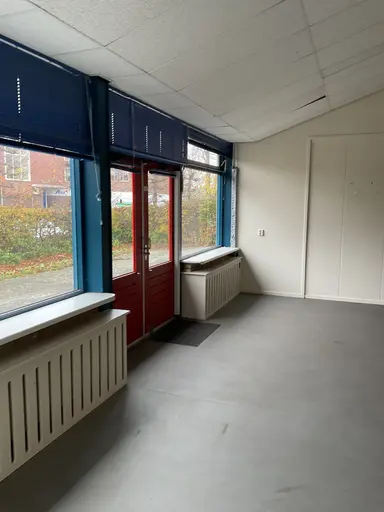

Stop refreshing, get daily matches
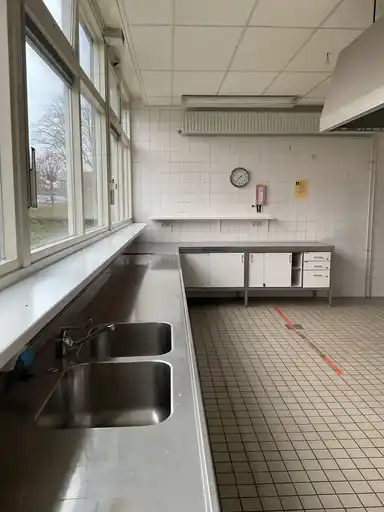
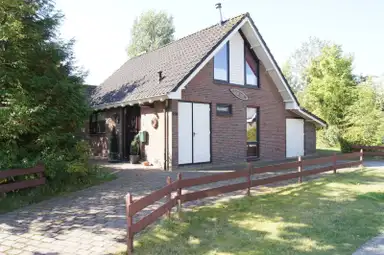
Stop refreshing, get daily matches

Is Het Hogeland still affordable?
Het Hogeland is the municipality that stretches across the clay polder landscape north of Groningen city, stitched together from former municipalities like Bedum, Winsum, Eemsmond and De Marne. The main centres, Winsum, Bedum, Uithuizen, Warffum, Baflo, each have their own character, but none of them is a city in the conventional sense. What you get instead is a genuinely rural rental market where terrace houses and semi-detached family homes dominate the stock, and where you can still find space for a price that feels almost anachronistic compared to what Groningen city now asks.
The renters who end up here are mostly people with a specific reason to be in the north: someone who grew up in the area and wants to stay close, a couple working in the agricultural or energy sector, or a family that has done the maths and realised that a proper house in Winsum costs less per month than a mid-sized apartment in the Groningen Indische Buurt. If you're browsing rentals from elsewhere, RentHunter gives you a clear picture of what's listed across the region right now.
Rental stock: houses first, apartments scarce
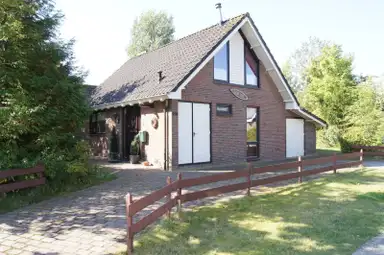
- Houses: the dominant rental type Terraced and semi-detached houses are what Het Hogeland does best. You'll find them along streets like Hoofdstraat in Bedum or Kerkstraat in Winsum, solid brick construction, usually three bedrooms, often with a garden and garage. These are genuine family homes, not compact urban lets. Expect to pay more than for a typical Groningen apartment, but you get significantly more floor area and outdoor space in return.
- Apartments: few, mostly in Winsum and Bedum Apartments do exist in Het Hogeland, but the supply is genuinely limited. Most of what appears are ground-floor or first-floor flats in small blocks near village centres, occasionally above shops on main streets. They suit singles or couples who don't need a garden. Availability is unpredictable, months can pass without a single new apartment listing in a specific village. If apartments are your priority, also keep an eye on Groningen and Eemsdelta, which have a broader and more consistent apartment supply.
- Farms and rural properties: a niche worth knowing One rental category you simply won't find in the city pages is the occasional boerderij or converted agricultural building. These appear rarely but do surface in Het Hogeland, think large floor area, lots of land, and a very specific lifestyle. They typically come unfurnished and require a car for daily errands without exception. If this kind of property interests you, checking listings regularly pays off more than in any urban market because these lets are not advertised on a predictable schedule. For reference on what nearby rural municipalities offer, Westerkwartier is the comparable municipality to the west with a similar rural character.
Living in Het Hogeland day to day
Het Hogeland is Groningen province at its most rural. The landscape is flat and wide-open, the villages are small, and life moves at a pace that is noticeably different from any university city. That is either a selling point or a dealbreaker depending on what you're after. The people who thrive here tend to be those who value space, quiet, and a strong sense of local community over urban convenience.
The region has a distinct Gronings identity. Local dialect, agricultural roots, and a certain no-nonsense directness are part of everyday life. Market days in Winsum or Uithuizen draw people from surrounding hamlets. The landscape itself, the wide clay fields, the wierden (the ancient raised mounds villages are built on), the Wadden coast to the north, is unlike anywhere else in the Netherlands.
Commuting: Groningen city in 20–35 minutes
The train connection is the practical backbone for anyone working or studying in Groningen. Winsum and Bedum both have train stations on the Groningen–Roodeschool line, putting the city centre at roughly 20–25 minutes by rail. Uithuizen is served by the same line a few stops further. Trains run at regular intervals, and the combination of a monthly OV-chipkaart and a bicycle at the station end makes the commute genuinely manageable year-round.
By car, the N46 and N361 are the main arteries. In normal conditions you're in Groningen in 25–35 minutes depending on your starting village. Rush-hour congestion is real on the southern approach roads, particularly around the Ringweg, but nothing like what you'd face commuting into Amsterdam or Utrecht.
Local provisions: what you get without a car trip
Bedum and Winsum both have supermarkets, a pharmacy, a GP surgery, and basic shops within walking distance of the main streets. Smaller kernen like Warffum, Baflo, or Kantens have considerably less, often just a local shop and a café. If you're considering a rental in one of the quieter villages, be honest with yourself about how often you're willing to drive for groceries, a dentist, or a hardware store.
The Waddenzee coast is within easy cycling distance from the northern villages. The Lauwersoog area and the ferry connections to Schiermonnikoog are roughly 30 kilometres away, and the polderroutes for cycling between villages are genuinely excellent. For anyone who runs, cycles, or simply wants open air, the physical environment is hard to beat.
Alert: check seismic zone rules before signing
Het Hogeland sits in the Groningen gas field area, which has experienced induced earthquakes since large-scale extraction began. Before renting any property here, check whether the address falls within the versterking (structural reinforcement) programme. Properties in the versterkingsgebied may be subject to inspections, renovation works, or in rare cases demolition. The nationaal coördinator groningen (NCG) database lets you look up any address. This is a genuine practical concern, not a hypothetical, and it's specific to this part of the Netherlands.
FAQ: renting in Het Hogeland
Is the rental market in Het Hogeland competitive like in Groningen city?
Not in the same way. Groningen city has a high-pressure rental market driven by students and young professionals, where listings disappear within days. Het Hogeland is slower: fewer listings, but also less frenzied competition for each one. Houses in particular sometimes stay available for a few weeks. That said, good-value family homes do attract multiple applicants quickly, so moving promptly still matters.
Are there rental properties with large gardens or agricultural land?
Yes, occasionally. Standard terraced houses in village centres typically have modest back gardens of 40–80 square metres. But in the more rural parts of the municipality you will sometimes find rental properties with large plots, occasionally a former farm with outbuildings and a substantial erf. These are rare listings and tend to come with higher rents or very specific landlord requirements (sometimes agricultural background is preferred). They do not appear on any predictable schedule.
Which villages in Het Hogeland have the most rental listings?
Bedum and Winsum consistently generate the most listings. Both have train stations, a range of shops, and the largest resident populations within the municipality. Uithuizen and Uithuizermeeden also produce listings more regularly than smaller villages. If you want the widest choice at any given moment, focus your search on these four. For the smaller kernen, Warffum, Baflo, Leens, listings appear but are genuinely infrequent, sometimes just a handful per year.
Do landlords in Het Hogeland accept expats or non-Dutch speakers?
In practice, Het Hogeland landlords are mostly private individuals or small local housing corporations, and they often prefer tenants who speak at least some Dutch. Unlike in Amsterdam or Groningen city, English-first communication is not the norm here. That said, the Groningen region has seen international workers arrive for roles in agriculture, energy, and logistics, and some landlords have experience with non-Dutch tenants as a result. Bringing someone who speaks Dutch to viewings helps considerably if your Dutch is limited.
How does renting in Het Hogeland compare to Eemsdelta?
Both are rural Groningen municipalities with comparable rental stock, mostly houses, few apartments. The key difference is geography and employment base. Eemsdelta sits closer to the Delfzijl–Emshaven industrial and port cluster, so it draws more tenants working in that sector. Het Hogeland is more oriented toward Groningen city commuters and people in the agricultural sector. Price levels tend to be similar across both municipalities, though specific listings vary. If you're flexible on location, tracking both broadens your options considerably.