Apartments, rooms and studios for rent in Bunschoten
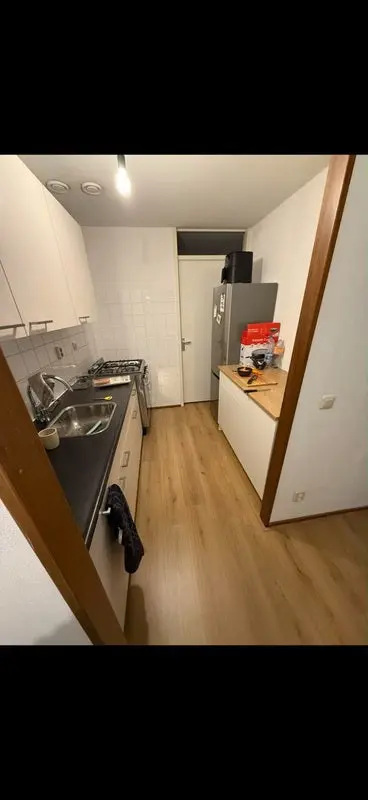
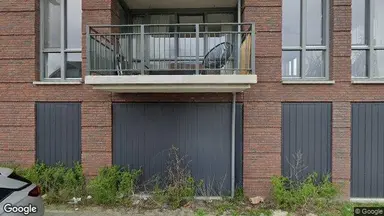

House, Bunschoten-spakenburg

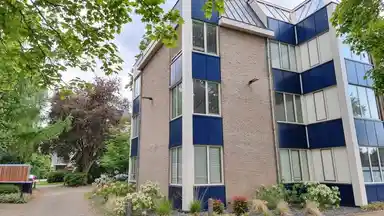
Apartment, Bunschoten-spakenburg

Apartment, Bunschoten-spakenburg

Apartment, Bunschoten-spakenburg
Nearby listings
Listings in neighboring areas that might interest you.
Within 5 km
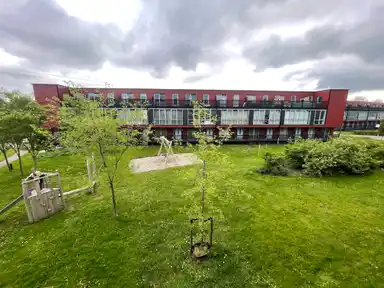


Bunschoten rentals: 14% below Amersfoort
Bunschoten sits on the southern shore of the Randmeren lakes, a compact Utrecht province town of around 21,000 residents where the fishing heritage of the old Spakenburg quarter still shapes daily life. The town attracts renters who have done the math: paying significantly less than in Amersfoort while staying within reach of the larger labour markets to the south and west. That calculation is increasingly appealing to young couples, families stepping off the Amsterdam treadmill, and remote workers who need quiet surroundings more than a central postcode.
The rental stock here is modest in volume but genuinely varied. You will find everything from compact apartments near the town centre to family houses on quieter residential streets. If you are comparing options across the Utrecht region, RentHunter aggregates listings across all platforms so you can see Bunschoten alongside neighbouring towns in one search.
Rental stock in Bunschoten: what to expect
- Apartments: mid-range and owner-managed Apartments in Bunschoten tend to sit in small residential blocks built from the 1970s onward, typically two or three rooms with balconies rather than open-plan layouts. Prices run noticeably below the Amersfoort average of around €1,947/month, the 14% gap reflecting both the smaller scale and lower land costs. Many are managed directly by private landlords rather than institutional investors, which means viewings can move fast but lease terms are sometimes more negotiable. Imagine picking up your groceries at the Albert Heijn on Schans and cycling back to your apartment in under five minutes. That is the pace of daily life here.
- Houses: family-sized on quieter streets Rental houses in Bunschoten are mostly terraced or semi-detached, concentrated in the post-war residential streets that fan out north and east of the old Spakenburg core. These are practical, spacious homes, often with front and back gardens, that make little sense to rent in Amsterdam but land at genuinely accessible price points here. Families relocating from Almere or the Flevoland corridor regularly end up here once they factor in space per euro. Availability is limited, so set up alerts and move quickly when something appears.
- Studios and smaller units: thin supply Compact studios and single-person rentals exist in Bunschoten but appear infrequently. The town's demographic leans toward couples and families, so landlords have generally built or converted for that market. Singles or recent graduates who cannot find what they need here may want to extend their search to Utrecht, where studio supply is considerably deeper, or check nearby towns along the A1 corridor. If a studio does come up in Bunschoten, it tends to move within days.
Living in Bunschoten: Spakenburg, lakes, and slow Sundays
Most renters in Bunschoten are not here by accident. They have actively traded city-centre convenience for space, quiet, and a noticeably lower monthly cost. The town is split between the modern commercial centre around the Markt in Bunschoten proper and the older Spakenburg harbour area, where the painted wooden fishing boats (botters) are still moored and traditional dress is worn without irony during the Spakenburgse Dagen festival each July.
Day-to-day, the town functions well. A covered market runs weekly, supermarkets are within cycling distance of any address, and the Randmeren shoreline offers flat-water recreation right on the town's edge. The social fabric leans conservative and community-oriented, something worth knowing before you sign a lease.
Spakenburg: the older, more characterful side of town
Imagine cycling from a rental house near the Oude Haven on a Saturday morning, past the botters bobbing at the quayside, to the weekly market on Westdijk. That is the rhythm Spakenburg offers: genuine, unhurried, and very Dutch in a way that is increasingly rare close to the Randstad. Rentals in this older quarter are limited, but they carry real character, narrow streets, modest gabled facades, and neighbours who have lived on the same block for decades. If you land one, hold onto it.
Modern residential Bunschoten: space over style
North and west of the Markt, the town shifts into quieter post-1970s housing estates: wide streets, front gardens, primary schools within walking distance, and very little nightlife noise. This is where most of the rental houses sit, and it suits families who need functioning logistics over urban buzz. The local primary schools draw from a tight community, and once you are in the neighbourhood WhatsApp groups, information about upcoming rental properties sometimes circulates before anything reaches a listing platform.
One thing to know before you sign
Bunschoten has a tight-knit social culture. Many landlords here prefer long-term, stable tenants and may informally ask about your situation. Come prepared with a recent employer's statement (werkgeversverklaring) and three months of bank statements. Having these ready before you contact a landlord signals reliability and can tip the decision in your favour when multiple applicants are in play.
Commuting from Bunschoten
Bunschoten has no railway station, which is the single most important transport fact for anyone considering renting here. Public transit depends on bus connections, typically to Amersfoort or Nijkerk, from where trains reach the broader network. Journey times are longer than the map distance suggests, so factor this into your decision if you commute daily to a major city. Those who cycle to a nearby park-and-ride or drive to the A1 or A28 often find car-based commuting more practical.
Utrecht (~57 min by public transit)
Utrecht is the primary employment hub for most Bunschoten renters, at around 57 minutes by public transit. The route typically involves a bus to Amersfoort Centraal followed by an Intercity. Those commuting daily will likely find the cost offset worthwhile given that Utrecht rents run substantially higher. A monthly OV-chipkaart with NS discount subscription can soften the fare impact for five-day commuters.
Amsterdam (~79 min by public transit)
At 79 minutes, Amsterdam is reachable but the commute is demanding for a five-day week. Renters who work in Amsterdam two or three days from home and the rest remotely find the balance workable. It is worth comparing Amstelveen as an intermediate option if Amsterdam is your daily destination: Amstelveen sits closer and still offers lower rents than the capital itself, though prices there are higher than Bunschoten.
Save on commuting costs with dal-uren
Because Bunschoten has no direct train service, most transit commuters will pass through Amersfoort Centraal. If your work schedule allows flexibility, NS dal-uren (off-peak hours) tickets offer up to 40% discount on train fares. Travelling before 06:30 or after 09:00 in the morning, and before 16:00 or after 18:30 in the evening, qualifies. For someone making the Utrecht or Amsterdam commute several times a week, this can add up to meaningful annual savings.
Frequently asked questions about renting in Bunschoten
Is Bunschoten actually cheaper to rent in than Amersfoort?
Yes, based on available rental data, Bunschoten runs around 14% below the Amersfoort average of approximately €1,947/month. That gap is consistent with what you would expect from a smaller town without a train station and with fewer institutional investors in the market. The trade-off is a thinner supply of listings and a longer commute to major employment centres.
How quickly do rental listings in Bunschoten disappear?
Very quickly, especially for houses. The total number of active listings in Bunschoten at any given time is small, and new properties attract immediate interest. Set up email or push notifications on rental platforms so you are alerted within hours of a new listing appearing. Waiting until the weekend to browse will often mean the best options are already gone.
Can I rent in Bunschoten without a Dutch employment contract?
It is harder here than in larger cities. Private landlords in Bunschoten, who make up a large share of the market, often set income requirements of two to three times the monthly rent and strongly prefer Dutch employment contracts or demonstrable stable income. Freelancers and international workers face extra scrutiny. Providing recent tax returns (jaaropgave) and a letter from an accountant confirming income stability can help bridge the gap. Some landlords may also request a guarantor.
Is Bunschoten suitable for families with children?
Genuinely yes. The town has several primary schools, a secondary school (Christelijke Scholengemeenschap Spieringshoek), and a tight community feel that many parents find reassuring. Children can cycle independently at young ages given the flat terrain and well-maintained cycle paths. The Randmeren shore is minutes away for after-school recreation. The main limitation is that higher education options require travel to Amersfoort or beyond.
What is the difference between renting in Bunschoten and nearby Nijkerk?
Nijkerk sits slightly further south with better direct bus and road access to Amersfoort and the A28. It also has a larger rental supply, giving more choice at any given moment. Bunschoten offers the Spakenburg waterfront character that Nijkerk lacks, and slightly lower average rents. The practical commuter question is whether the lakeside setting and marginal cost saving offset the slightly less convenient transit connections. Many renters end up trying both searches in parallel.