Houses for Rent in De ronde venen, Netherlands


Stop refreshing, get daily matches
Stop refreshing, get daily matches
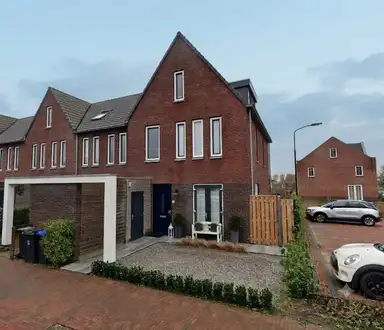
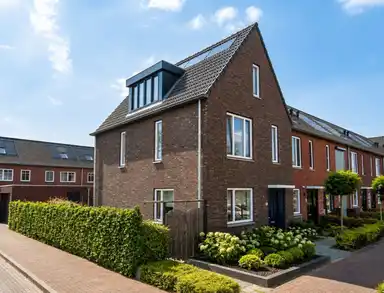
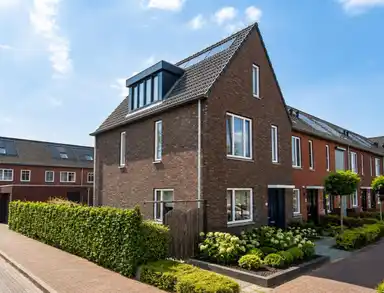
De Ronde Venen Houses: Space and Green at Utrecht's Edge
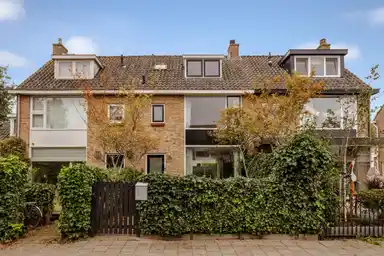
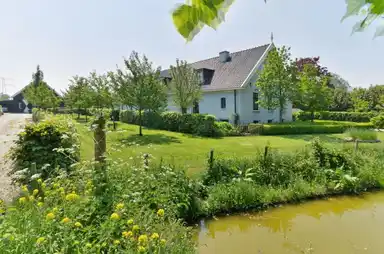
Renting a house in De Ronde Venen means something quite different from renting in a Dutch city center. The municipality spans a string of polder villages, including Mijdrecht, Vinkeveen, Wilnis, and Abcoude, each with its own character and largely made up of low-rise family homes with gardens. If you're looking for space, outdoor areas, and a quieter pace without giving up access to the Randstad, this is one of the more affordable corners of the Utrecht province worth taking seriously.
Based on listings tracked on RentHunter, the housing stock here skews heavily toward standalone houses and terraced family homes, a stark contrast to apartment-heavy markets in nearby Amsterdam or Utrecht city. Gardens, driveways, and storage space are standard features rather than premium extras. The trade-off is that public transit connections are limited compared to urban centers, making a car or bicycle genuinely useful for day-to-day life.
Families relocating from Amsterdam often discover De Ronde Venen as a practical alternative, where the same rental budget buys considerably more floor space and a real garden. Utrecht is reachable in around 69 minutes by public transit, and Amsterdam in roughly 75 minutes, so commuting is manageable for those working in either city a few days a week.
Why Rent a House in De Ronde Venen
De Ronde Venen occupies a distinctive slice of the Utrecht province, surrounded by open polder landscape, lakes, and waterways. For families and couples who have been priced out of Amsterdam or Utrecht, it offers a real change in lifestyle without a dramatic break from the Randstad job market.
Polder lakes and watersports on the doorstep
The Vinkeveense Plassen, a series of interconnected lakes south of Vinkeveen village, are one of the most underrated weekend destinations in the Utrecht province. Families with children find the beaches, sailing clubs, and swimming spots genuinely accessible from home rather than a day trip. In summer, the lakes draw visitors from across the Randstad, but residents can simply walk or cycle there. This kind of everyday access to open water is a real advantage for families renting a house here.
Utrecht province pricing vs. the Amsterdam fringe
House rents in De Ronde Venen sit notably below comparable properties in Amsterdam's suburbs or Amstelveen. For families seeking a house to rent, this gap in pricing is meaningful: the same monthly budget that rents a small apartment near Amsterdam often covers a full terraced house with garden and parking here. Schools in the municipality are well-regarded, and the villages are genuinely child-friendly with cycling infrastructure that connects them safely. If you want to compare options a step closer to Amsterdam, you can also browse houses for rent in Amstelveen for reference.
Weekly markets and village life across seven cores
De Ronde Venen is not one town but a federation of villages, with Mijdrecht as the main commercial center. Each village has its own rhythm: Vinkeveen is water-oriented and popular with boating families, while Abcoude has a more polished character thanks to its proximity to Amsterdam (it sits just inside the municipal border, accessible by train from Abcoude station). Mijdrecht holds a weekly market where local produce, flowers, and household goods are sold, giving the area a genuine village feel that residents tend to appreciate after years in dense urban settings.
Furnished houses near Amsterdam: check Amstelveen too:
If you need a furnished house quickly, especially for an expat assignment or short-term relocation, De Ronde Venen's furnished supply is limited. The nearby municipality of Amstelveen has a much larger furnished market aimed at international renters. Browse furnished houses in Amstelveen and compare before committing.
Village by Village: Where to Rent a House in De Ronde Venen
The municipality has no single center that dominates. Choosing a village to rent in is partly about lifestyle and partly about logistics. Here are the three villages that consistently see the most house rental activity.
Mijdrecht: commercial hub with family terraces
Mijdrecht is the de facto capital of the municipality and the best-serviced village for everyday needs. It has supermarkets, a health center, secondary schools, and regular bus connections toward Utrecht and Aalsmeer. The housing stock consists largely of post-war terraced and semi-detached houses on quiet residential streets, many with back gardens. Families with school-age children tend to settle here first because the infrastructure is established and amenities are walkable. The weekly market near the center adds a local rhythm that makes it feel like more than a dormitory village.
Vinkeveen: lakeside living for families who sail
Vinkeveen is the most distinctive village in the municipality because of its direct relationship with the Vinkeveense Plassen. Houses here often back onto water or are within a short walk of the lake beaches and marinas. The village attracts families who actively use the water, whether for sailing, SUP, or simply swimming on summer weekends. Rental supply is tighter here than in Mijdrecht, and prices reflect the premium for waterside access. Public transit is limited, so a car is practically essential. The primary school in Vinkeveen is well-regarded and the village has a strong community feel.
Abcoude: Amsterdam commuters in a historic village
Abcoude occupies a special position in the municipality: it has its own train station with direct NS services toward Amsterdam Centraal, making it by far the most convenient village for Amsterdam commuters. The village has a compact historic core with older architecture and is surrounded by the Abcoudermeer and polder meadows. Rental prices in Abcoude tend to sit at the higher end of the De Ronde Venen range because of the train access. It suits couples and families who want a genuine countryside setting but need a reliable daily train connection to Amsterdam. For context on what Amsterdam itself offers, you can browse houses for rent in Amsterdam.
Gardens face north or south: check orientation before signing:
In polder villages, houses on east-west streets often have gardens that face north, meaning minimal afternoon sun. This matters for families with young children who want usable outdoor space in summer. During viewings, always check which direction the garden faces and visit in the afternoon if possible. A south-facing garden in De Ronde Venen's flat landscape gets full sun from noon onward, which makes a real practical difference.
Commuting from De Ronde Venen
Public transit from De Ronde Venen is functional but requires realistic expectations. The municipality has no direct train station in most villages except Abcoude, so bus connections to regional train hubs are the main route. Car travel significantly cuts commute times to Utrecht and Amsterdam. The figures below are for public transit journeys only.
Utrecht (~69 min by transit, 53 km)
Utrecht is the provincial capital and the closest major employment center to De Ronde Venen. The roughly 69-minute transit journey involves a bus connection to a train hub, so the total time is longer than the 53 km distance might suggest. For Utrecht-based employees commuting two or three days a week, this is manageable; for daily commuters, a car or e-bike to the nearest bus stop is worth considering.
Amsterdam (~75 min by transit, 33 km)
Amsterdam is physically closer than Utrecht at 33 km, but takes slightly longer by transit at around 75 minutes due to bus-to-train transfer times. Residents of Abcoude have the best deal here: direct NS trains run to Amsterdam Centraal from Abcoude station, cutting the journey significantly. For those in Mijdrecht or Vinkeveen, the car is the more practical option for regular Amsterdam commutes.
Den Haag, Rotterdam and beyond: 89–96+ min
Den Haag is reachable in around 89 minutes and Rotterdam in roughly 96 minutes by public transit. These are feasible for occasional trips but impractical for daily commuting without a car. If your job is in Den Haag or Rotterdam, De Ronde Venen is best suited as a base for hybrid workers who are in those cities at most two days per week. Eindhoven (around 118 minutes) and Groningen (around 178 minutes) are effectively out of range for regular transit commuting.
Step-by-Step: How to Rent a House in De Ronde Venen
Search and compare across aggregators first
Start by browsing all rentals in De Ronde Venen to get a complete picture of what is currently listed. The village-by-village spread means listings are scattered, and comparing across platforms helps you spot price differences between, say, Abcoude and Mijdrecht for equivalent-sized houses. Set up alerts if possible, as houses in the lower price brackets move quickly. If you are open to apartments, also check apartments in De Ronde Venen for a fuller picture of the rental market.
Plan viewings efficiently across multiple villages
Because the municipality is spread across multiple villages, inefficient viewing trips waste a lot of time. Group viewings by area and do Mijdrecht, Wilnis, and Vinkeveen separately from Abcoude. If you are visiting without a car, check bus schedules in advance since connections between villages are infrequent. During the viewing, check the garden orientation, the condition of double-glazing (older Dutch houses can be drafty), and whether off-street parking is included. Many rental houses in the polder villages include a storage shed or garage, which is practical for bicycles and tools.
Prepare your documents before responding to listings
Landlords in De Ronde Venen, like across the Netherlands, typically require proof of income (last three salary slips or employer statement), a valid ID, and a reference from a previous landlord if applicable. For houses with gardens and garages, some landlords also ask for a pet declaration or a statement about intended use of outbuildings. Have everything in a single PDF ready before you start responding, because quick responses matter and a complete dossier shortens the process. Self-employed renters should prepare at least two years of tax returns (jaaropgaven).
Review the lease terms and deposit conditions carefully
Standard Dutch rental leases are either open-ended (onbepaalde tijd) or fixed-term (bepaalde tijd, often one or two years). For family houses, open-ended leases are more common and offer more security. The deposit is typically one or two months' rent. Before signing, check who is responsible for garden maintenance, which is sometimes explicitly the tenant's responsibility in houses with large plots. Also verify whether the house is rented with or without appliances (white goods) and whether the central heating installation has been recently serviced.
Register at the gemeente within five days of moving in
In the Netherlands, you are legally required to register your address at the municipality (gemeente) within five days of moving in. In De Ronde Venen, this is done at the Gemeentehuis in Mijdrecht. Registration affects your BSN (citizen service number), your tax filings, healthcare allowances, and school enrollment for children. Do not delay this step; failing to register on time can cause complications with your DigiD, health insurance, and bank. Bring your signed rental contract and ID to the appointment.
Frequently Asked Questions
Is De Ronde Venen a realistic base for Amsterdam commuters?
It depends on how often you commute. For hybrid workers who travel to Amsterdam two or three times per week, the roughly 75-minute transit journey (or shorter by car) is perfectly workable and the cost savings on rent can be substantial. For daily commuters who need to be in Amsterdam five days a week, it becomes tiring without a car. Abcoude is the standout village for Amsterdam commuters specifically, due to its direct NS train connection.
Do most rental houses in De Ronde Venen include a garden?
Yes, the vast majority of houses for rent in De Ronde Venen come with a garden, often both front and back. This is one of the key reasons families choose the area over apartment living in urban centers. Garden maintenance is typically the tenant's responsibility unless stated otherwise in the lease. In polder villages, most gardens are flat and accessible, though some houses near the Vinkeveense Plassen have water-facing plots with mooring possibilities.
Is De Ronde Venen expat-friendly for non-Dutch speakers?
De Ronde Venen is less internationalized than Amsterdam or Amstelveen, where large expat communities and international schools are well-established. In De Ronde Venen, most landlords, local services, and schools operate primarily in Dutch. International schools are not based in the municipality itself; the nearest options are in Amsterdam and Amstelveen. English is spoken widely enough to manage day-to-day life, but expats planning a longer stay will benefit from learning Dutch, especially for interactions with local institutions and neighbors.
Can I rent a house in De Ronde Venen without a Dutch bank account?
Most landlords in De Ronde Venen require rent payments via Dutch IBAN, and many also require a Dutch IBAN for the deposit transfer. If you are arriving from abroad, opening a Dutch bank account should be a priority within the first weeks after registration at the gemeente. Some digital banks (like Bunq or Revolut) can be opened before you have a BSN, which gives you a temporary solution for the deposit. Private landlords in smaller villages may be more flexible than large property management companies, but it is best not to count on it.
What is the typical rental price range for a house in De Ronde Venen?
Rental prices for houses in De Ronde Venen vary by village, house size, and condition. Smaller terraced houses in Mijdrecht and Wilnis typically start around €1,200–€1,500 per month. Larger semi-detached or detached family houses, particularly those with sizable gardens or near water in Vinkeveen, can range from €1,800 upward. Abcoude tends to price at a premium compared to the rest of the municipality due to its train link. These are indicative ranges; always check current listings for an accurate picture of the market.