Houses for Rent in Westerkwartier, Netherlands
Nearby listings
Listings in neighboring areas that might interest you.
Within 10 km

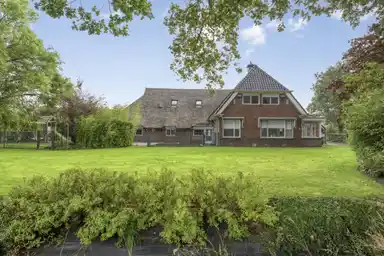
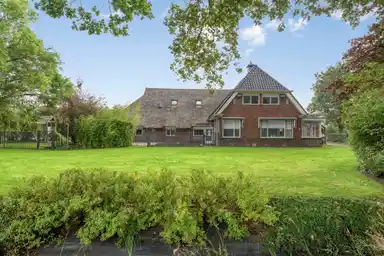
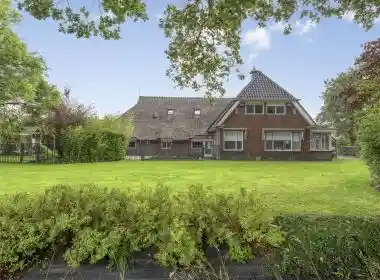
Houses in Westerkwartier: Space at Groningen Prices
Renting a house in Westerkwartier means something quite different from renting in Groningen city. This is a municipality of villages and open countryside in the western part of Groningen province, where detached and semi-detached family homes with proper gardens are the norm rather than the exception. For families and couples who want genuine living space, a driveway, and a backyard where children can actually play, the Westerkwartier housing market delivers what urban neighbourhoods in the province simply cannot.
Based on listings tracked on RentHunter, the rental house supply here leans heavily toward full family homes: think three or four bedrooms, sizeable gardens, and quiet residential streets. Rental prices are noticeably more accessible than in Groningen city, making the municipality attractive for those who commute into the city for work but want considerably more space for their money.
The municipality covers a broad stretch of countryside between Groningen city to the east and Drenthe to the south. Villages like Leek, Grootegast, Zuidhorn, and Marum each have their own character, infrastructure, and housing stock. Understanding which part of the Westerkwartier suits your lifestyle is the first real question any prospective renter here should ask.
Why Families Choose Westerkwartier Over Groningen City
The Westerkwartier is a largely agricultural municipality that merged in 2019, combining the former municipalities of Grootegast, Leek, Marum, and Zuidhorn. This merger brought together distinct communities, each with their own schools, shops, and community spirit. For renters, the result is a municipality where Groningse nuchterheid (no-nonsense practicality) is embedded in daily life.
Schools, green space, and a slower pace
Primary and secondary schools are spread across all the main villages, with basisscholen in even the smaller kernen. Children can often cycle to school independently on well-maintained paths, something urban parents in Groningen city frequently cite as a reason for moving out here. The Leekstermeer lake area, just east of Leek, gives families a proper outdoor destination on weekends, with sailing clubs, swimming spots, and walking trails through the surrounding polder landscape.
Local markets and Gronings identity
Leek, the largest village and the administrative heart of the municipality, has a weekly market on Tuesdays that draws residents from across the Westerkwartier. Zuidhorn has a compact but well-stocked centre with independent shops that have been there for decades. There is a distinct regional pride here: the Groningse dialect is still spoken in many households, festivals like Koningsdag are village events rather than city spectacles, and neighbours tend to actually know each other. For renters moving from the Randstad, this can feel like a genuine reset.
Houses with gardens: outdoor space as standard
One of the most practical differences between renting a house here versus in Groningen city is garden availability. The vast majority of rental houses in the Westerkwartier come with a front garden, back garden, or both. This matters enormously for families with young children or pets. If you have a dog or other animals, the open countryside setting and the prevalence of garden houses make this region far more suitable than a city apartment. You can also find pet-friendly houses in Groningen province through RentHunter if you want to compare options across the region. Parking is also almost never a problem, unlike in the city where parking costs can add meaningfully to monthly housing expenses.
Leek's weekly market runs every Tuesday morning:
If you end up in Leek, the Dinsdag markt on the Tolberterstraat area is a genuine local institution. Locals buy fresh vegetables, cheese, and flowers there, and it is a good way to meet neighbours when you first arrive. The social fabric in these villages is tight, and the market is one of the best entry points.
Neighbourhoods and Villages: Which Part to Rent In
Because Westerkwartier is not a single town but a collection of villages across a rural municipality, choosing WHERE to rent matters as much as choosing the house itself. Each main village has a distinct rental profile, commute time to Groningen, and community feel. Compare also houses for rent in Groningen if you want to weigh the urban alternative directly.
Leek: largest village, best amenities nearby
Leek is the commercial centre of the Westerkwartier and where most rental house supply is concentrated. The town has a supermarket, secondary schools, a sports centre, and good bus connections toward Groningen. Families who need amenities within cycling distance will find Leek the most practical base. Streets around the Tolberterstraat and Nieuweweg offer a mix of post-war terraced houses and 1980s semi-detached homes, most with decent back gardens. The drive to Groningen city centre takes roughly 25 minutes, and there is a bus line that runs fairly regularly during peak hours.
Zuidhorn: station village with Groningen on your doorstep
Zuidhorn has a train station on the Groningen–Leeuwarden line, which makes it the most commuter-friendly village in the entire municipality. The train to Groningen Central Station takes around 12 minutes, which is shorter than many bus journeys within the city itself. This accessibility means rental prices in Zuidhorn tend to be slightly higher than elsewhere in the Westerkwartier, but still considerably below comparable housing in Groningen city. Residential streets near the station, particularly around the centre and toward the Hoendiep canal, offer solid family homes with established gardens. The village has a quiet, settled character; families who have been here for generations coexist with newer arrivals who chose Zuidhorn specifically for the train connection.
Marum and Grootegast: rural depth at lower rents
Marum and Grootegast sit further west and north within the municipality and represent the most genuinely rural parts of the Westerkwartier. Houses here tend to be larger, often with substantial gardens or even adjacent farmland views, and rental prices are typically the lowest in the municipality. This comes with a trade-off: you are more car-dependent here, and commutes to Groningen run around 30 to 35 minutes by car. These villages suit renters who work remotely or have flexible hours, or families who want the most possible outdoor space and are willing to drive for it. The landscape around Marum, particularly toward the Faan and Nuis hamlets, is open Gronings agricultural land at its most uninterrupted. If you find listings here sparse, also check houses in Tynaarlo for a similar rural character on the Drenthe side of the border.
Zuidhorn's 12-minute train is the Westerkwartier's best-kept commuting secret:
If you work in Groningen city and want a house with a garden at below-city prices, Zuidhorn is worth targeting specifically. The Groningen–Leeuwarden intercity stops there, meaning the train is fast and reliable. Check timetables on ns.nl before committing to a specific street in Zuidhorn; frequency drops in the evening, so your working pattern matters.
How to Rent a House in Westerkwartier: Step by Step
Start your search across multiple platforms at once
Rental house supply in Westerkwartier is smaller than in Groningen city, so new listings get snapped up quickly. Use RentHunter to monitor listings across platforms in one place and set alerts so you hear about new houses as soon as they appear. If the current supply is thin, also browse apartments in Westerkwartier and houses in Groningen to keep your options open.
Visit in person and assess the village, not just the house
When viewing a rental house in Westerkwartier, walk or cycle the surrounding streets before committing. Check where the nearest supermarket and school are, especially if you have children. In smaller villages like Nuis or Faan, basic provisions may be a bike ride away. Also assess the garden carefully: size, orientation (south-facing backs are highly sought after in this climate), and condition of fencing all matter when you are renting with kids or pets.
Prepare your rental documents before you find the right house
Dutch landlords and rental agencies typically request the same core documents: a valid ID or passport, recent payslips (usually the last three months), an employment contract, and sometimes a landlord reference from your current or previous rental. If you are self-employed, prepare your last two years of tax assessments (belastingaanslag). Having these ready as PDFs means you can respond within hours of a viewing, which can make the difference in a municipality with limited rental supply.
Review the rental contract and check service costs
Dutch rental contracts are typically either fixed-term (tijdelijk contract, usually one or two years) or indefinite (contract voor onbepaalde tijd). For houses in the Westerkwartier, indefinite contracts are more common, which provides strong tenant protection under Dutch law. Always check what is included in the monthly rent: some contracts in rural areas include garden maintenance as a service cost, others do not. Utilities are typically separate. Confirm whether water, internet, and waste collection are bundled or billed individually.
Register at the gemeente within five days of moving in
Once you sign and collect the keys, you are legally required to register your new address in the Basisregistratie Personen (BRP) at the Gemeente Westerkwartier. The gemeente office is located in Leek. Registration is mandatory for everyone, including EU citizens, and unlocks your access to Dutch healthcare, the DigiD system, and local services. Bring your rental contract, passport or ID, and a copy of your birth certificate if you are registering for the first time in the Netherlands.
FAQ
How much does it cost to rent a house in Westerkwartier?
Rental house prices in Westerkwartier vary significantly by village and house type. In Zuidhorn, closer to Groningen and with the train connection, a family house typically rents for more than in Marum or Grootegast. Broadly speaking, three-bedroom family homes across the municipality are generally more affordable than equivalent properties in Groningen city, making the commuting trade-off worthwhile for many. Larger detached houses with extensive gardens in the more rural parts of the municipality can be found at the lower end of the Groningen provincial price range.
Is Westerkwartier a good place to rent for expats?
Westerkwartier is a predominantly Dutch-speaking rural municipality with relatively little expat infrastructure compared to Groningen city. Most communication with the gemeente, landlords, and local services will be in Dutch. That said, expats who speak some Dutch or who work for a Groningen-based employer and want more affordable family housing often find the municipality a practical choice. English is widely understood, especially among younger residents. Families with children should note that international schools are in Groningen city, so a reliable car or train connection (Zuidhorn) is essential.
Are furnished houses available for rent in Westerkwartier?
Furnished rental houses are relatively uncommon in rural municipalities like Westerkwartier. The market here is primarily aimed at families looking for a longer-term unfurnished home, so landlords rarely invest in furnishing properties. You are more likely to find a gemeubileerd huis in Groningen city than in the Westerkwartier villages. If a furnished house is a strict requirement, either broaden your search to Groningen city or be prepared to wait considerably longer for a suitable listing to appear in the municipality.
How competitive is the rental house market in Westerkwartier?
The rental house supply in Westerkwartier is smaller than in Groningen city, which means good listings in popular villages like Zuidhorn or Leek get multiple enquiries quickly. That said, the overall competition is still lower than in tight urban markets like Groningen city center or Amsterdam. If you are willing to live in a smaller or more remote village like Marum, you will face considerably less competition and potentially more negotiating room. Acting quickly and having documents ready is the best strategy, as hesitation of even a day or two can mean losing a house to another applicant.