Rooms for Rent in Berg en Dal
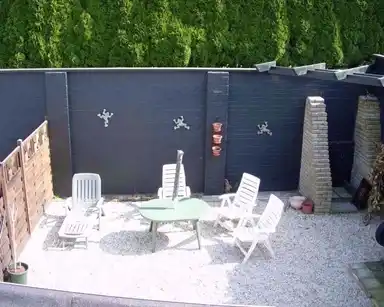

Nearby listings
Listings in neighboring areas that might interest you.
Within 5 km
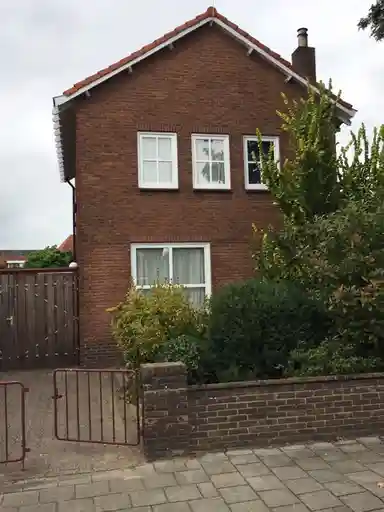
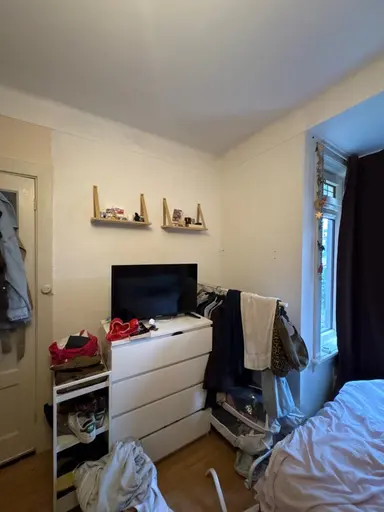
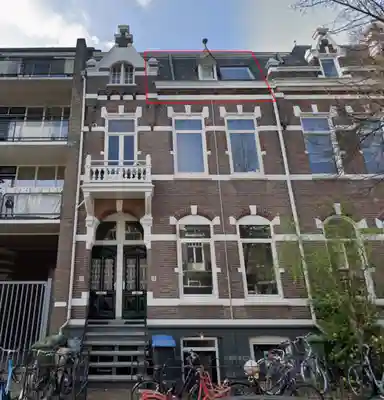
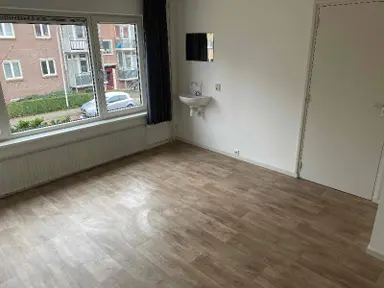
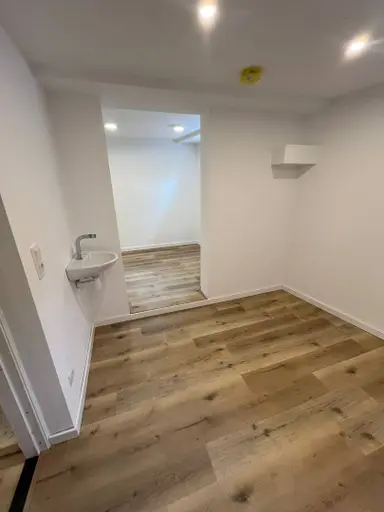

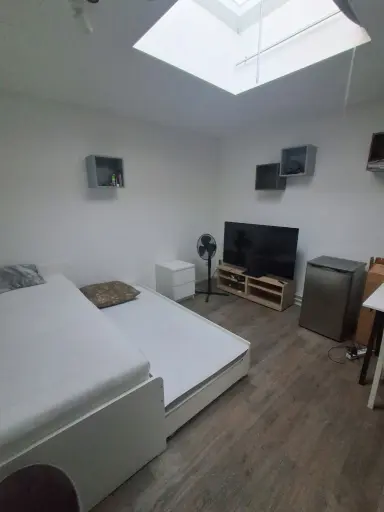
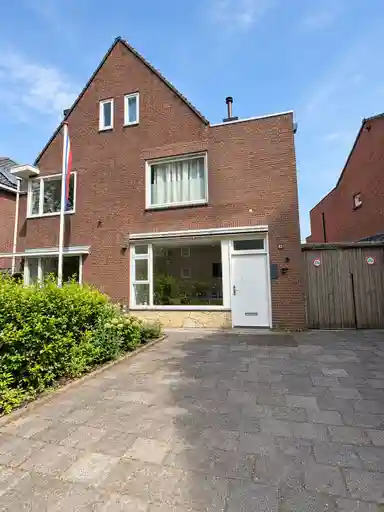
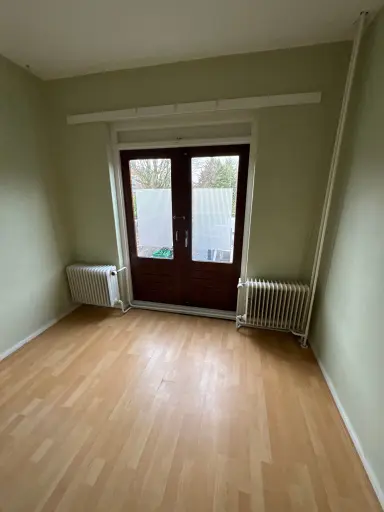
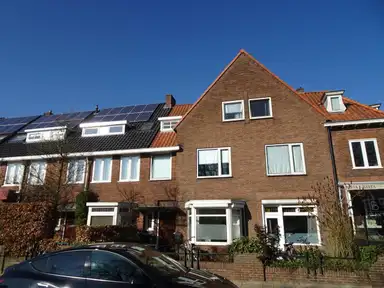
Rooms in Berg en Dal: €595/month above Arnhem prices
Renting a room in Berg en Dal is a different proposition from renting in a Dutch student city. This municipality of roughly 34,000 residents sits on the wooded hills southeast of Nijmegen, right on the German border in Gelderland province. The room market here is small and quiet: there is no large university campus pushing demand, no waves of international students competing for flatshares. What you find instead are rooms in residential settings, often in shared houses in greener, quieter surroundings than you would get in Nijmegen or Arnhem.
Be aware that rooms here run about 23% more expensive than in nearby Arnhem, averaging around €595/month. That premium reflects the area's relative affluence, the scarcity of purpose-built rental stock, and the appeal of the Rijk van Nijmegen landscape. If you're working in Nijmegen and want to live somewhere calmer, or if you're exploring rentals in Berg en Dal beyond just rooms, this market rewards patience and early action. Browse available options on RentHunter to track what comes up across all major platforms in one place.
Why rent a room in Berg en Dal over Arnhem
Paying a premium over Arnhem only makes sense if Berg en Dal genuinely delivers something different. Here is what justifies the higher price tag for room renters who know what they are looking for.
Groesbeek forest and Nijmegen hills on your doorstep
Berg en Dal sits in the only genuinely hilly part of the Netherlands, a rare topography for this country. The Reichswald and Groesbeek forests start almost immediately outside residential streets, offering trails, cycling paths, and open heathland within minutes on foot. For someone coming from a flat Dutch city, this landscape is a real change of pace.
The municipality includes several villages: Groesbeek, Millingen aan de Rijn (on the Rhine itself), Berg en Dal village, and Beek. Groesbeek is the largest and most practical for day-to-day living, with supermarkets and a weekly market. If outdoor space matters to you, no room in Arnhem city center gets you this close to this much nature.
Nijmegen 10 minutes away: student energy without the noise
Nijmegen is the dominant city in this corner of Gelderland, home to Radboud University and Radboud University Medical Center. By bus or bike, the center of Nijmegen is reachable from Groesbeek in roughly 10–15 minutes. That means you get access to the restaurants, bars, theaters, and cultural scene of one of the Netherlands' oldest cities, without paying Nijmegen rental prices or living in a busy urban neighborhood.
If you are a student or researcher at Radboud, Berg en Dal is genuinely worth considering as an alternative base. Check student rooms in Nijmegen for comparison, and weigh the commute against the quieter living environment Berg en Dal offers.
Gelderland border identity: Dutch-German cross-border lifestyle
Berg en Dal borders Germany directly, and this shapes daily life in practical ways. Supermarkets just across the border in Kleve or Kranenburg are popular for German grocery prices. The area has a relaxed, rural Gelderland character that is quite different from the Randstad hustle.
For internationals already working in Germany (Kleve, Emmerich, or even Düsseldorf corridor) while living in the Netherlands, Berg en Dal is one of the few Dutch municipalities where this cross-border commute is genuinely feasible. The mix of Dutch and German cultural influence gives the region a distinct edge character that long-term residents either love or find too quiet.
Tip: the Groesbeek Wednesday market is a local staple
Groesbeek's weekly Wednesday market on the Kerkplein is a practical local institution. Fresh produce, local vendors, and a relaxed pace that tells you immediately you are not in a city. New residents often discover it as their go-to for affordable groceries beyond the supermarkets.
Where rooms actually appear in Berg en Dal's villages
The municipality covers a spread-out area with several distinct villages. Knowing which settlement suits your needs saves a lot of time in a market where supply is always limited.
Groesbeek: most services, bus to Nijmegen center
Groesbeek is the commercial and administrative heart of the municipality, with a supermarket, pharmacy, GP practices, and the local Kerkplein square. Bus line 5 connects Groesbeek directly to Nijmegen city center and Nijmegen train station, making it the most practical base for anyone commuting without a car. Most rooms that appear in the Berg en Dal municipality tend to be in or around Groesbeek for this reason.
The housing stock is predominantly postwar residential, with semi-detached and terraced homes that get shared between young professionals or workers. Expect no historic charm but good daily practicality and immediate forest access to the east.
Berg en Dal village: hilltop setting, car-dependent daily life
The village of Berg en Dal itself sits on higher ground with sweeping views and a more secluded feel than Groesbeek. It is quieter, greener, and more residential. The Hotel-Restaurant Berg en Dal and the nearby Heilig Landstichting (an open-air museum of the Holy Land) are the area's best-known landmarks, drawing visitors and giving the immediate area an unusual character for the Netherlands.
For renters, the trade-off is real: without a car or a bicycle in good condition, daily logistics are harder here than in Groesbeek. Bus connections exist but are less frequent. Rooms here, if they appear, often come in larger family homes where one or two rooms are sublet. Ideal for someone valuing tranquillity and green surroundings above urban convenience.
Millingen aan de Rijn: Rhine riverside, very limited rental stock
Millingen aan de Rijn is the westernmost village of the municipality, sitting directly on the Rhine and close to Nijmegen's eastern edge. It has a distinct riverland character with flood plains, cycling routes along the dykes, and a slower pace of life than anything in Groesbeek. Rental stock here is extremely scarce, and rooms rarely come up.
If you do find a room in Millingen, it suits someone who wants maximum quiet and does not mind occasional car journeys for shopping or nightlife. The cycling path along the Rhine to Nijmegen is genuinely scenic and used by commuters in warmer months.
Tip: a bike matters more here than in most Dutch cities
The hilly terrain means cycling in Berg en Dal is more demanding than in flat cities like Arnhem or Nijmegen proper. However, e-bikes are extremely common here for exactly this reason. If you plan to cycle to Nijmegen regularly, factor in that the return journey uphill from the river valley takes noticeably longer than the outbound trip.
Commuting from Berg en Dal
Berg en Dal does not have its own train station. The nearest rail connection is Nijmegen station, reached by bus (line 5 from Groesbeek takes roughly 20–25 minutes to Nijmegen Centraal). All travel times below assume public transit from this connection point.
Eindhoven (~93 min by public transit)
Eindhoven is reachable in about 93 minutes by public transit, a route that runs via Nijmegen Centraal and typically requires a change. For occasional trips this is manageable, but for a daily commute it's a significant time investment.
Utrecht (~106 min by public transit)
Utrecht takes about 106 minutes by public transit, via Nijmegen Centraal with an intercity train connection. Utrecht is the country's central rail hub, so this connection is frequent and reliable. If you work in Utrecht and want to live somewhere green and affordable in Gelderland, the commute is long but the train is comfortable.
Amsterdam (~130 min) and Den Haag (~142 min): possible, not practical daily
Amsterdam sits about 130 minutes away by public transit, and Den Haag around 142 minutes. Rotterdam is even further at approximately 147 minutes. These are not realistic options for daily commuting from Berg en Dal. If your job is in one of these Randstad cities, you would be better served renting a room closer to your workplace, or considering rooms in Arnhem as a midpoint with better rail connections.
How to rent a room in Berg en Dal: step by step
- Search broadly and set up alerts immediately
The Berg en Dal room market is small, so set up search alerts on every platform you use. Because supply is limited, new listings go fast. Compare what is available across platforms using RentHunter and also search rooms in Nijmegen in parallel, since many renters who end up in Berg en Dal started their search from Nijmegen. - View in person, check transport logistics on the day
When viewing a room in Berg en Dal, treat the visit as a logistics test. Take the bus from Nijmegen at the time you would normally commute, and time the walk or cycle from the stop to the house. Check if there is covered bike storage (essential for Gelderland winters). Ask the landlord or current tenants how they handle grocery shopping, since the nearest supermarket may be a 10-minute bike ride away in Groesbeek. - Prepare your rental documents in a single folder
Dutch landlords expect prompt documentation. Prepare a digital folder with: a valid ID or passport, your last three payslips or an employer's letter, a recent bank statement, and a reference letter from a previous landlord if you have one. For international renters, a letter from your employer confirming your contract duration can significantly strengthen your application in a competitive small market like Berg en Dal. - Sign the rental contract and check key clauses
Before signing, verify: the notice period (typically one to three months), whether utilities are included in the rent, the deposit amount (usually one to two months' rent), and whether the contract is temporary or indefinite. In the Berg en Dal area, rooms in shared houses sometimes come with informal arrangements, so make sure you receive a written contract regardless of the setup. - Register at the gemeente within five days of moving in
In the Netherlands, you are legally required to register your address with the municipality (gemeente) within five days of moving in. For Berg en Dal, this is done at the Gemeentehuis in Groesbeek on Kerkplein. Registration is required to access healthcare, open a Dutch bank account, and receive government post. Book your appointment in advance online, same-day slots are rare.
FAQ: renting a room in Berg en Dal
How much does a room in Berg en Dal typically cost?
Rooms in Berg en Dal average around €595/month, which is roughly 23% above comparable rooms in Arnhem. This premium is driven by limited supply and the desirability of the green, hilly surroundings rather than by urban amenities. Furnished rooms, where they appear, can be priced higher than this figure. If this is outside your budget, rooms in Arnhem offer more options at lower price points.
Can I rent a room in Berg en Dal without a car?
Yes, but only if you are based in or near Groesbeek. Bus line 5 connects Groesbeek to Nijmegen station reliably. For the more outlying villages like Berg en Dal village or Beek, life without a car or e-bike becomes significantly harder. Before committing to a room, check the exact bus stop distance from the front door and the evening/weekend timetable, as rural services thin out quickly after 18:00.
Are furnished rooms available in Berg en Dal?
Furnished rooms do appear in the Berg en Dal area, typically in shared houses where existing tenants have equipped the common areas and where bedrooms may or may not come with basic furniture. These are particularly relevant for short-term renters or international newcomers who have not yet brought belongings. Since supply is limited across the municipality, do not restrict your search to furnished-only listings. If you need a furnished student room nearby, student rooms in Nijmegen will give you many more options.
Is Berg en Dal a good base for working at Radboud University or the hospital?
Radboud University and Radboudumc are in Nijmegen's Heyendaal district, roughly 8–10 km from Groesbeek. By bicycle this is a 25–35 minute ride; by bus via line 5 to Nijmegen station and then by local transport to Heyendaal it takes around 40–50 minutes door to door. For researchers, PhD students, or hospital staff who prefer nature over city living, Berg en Dal is a workable choice. The key question is your shift pattern: early morning or late evening shifts make the bus timetable a real constraint.