Apartments, rooms and studios for rent in Coevorden

Stop refreshing, get daily matches

Stop refreshing, get daily matches
Coevorden rentals: Drenthe affordability in numbers
Coevorden is the kind of place where a rental budget stretches further than almost anywhere else in the northeast Netherlands. Sitting in the heart of Drenthe, close to the German border, this town of around 35,000 people draws renters who have made a deliberate calculation: space and affordability over city density. You'll find nurses at the Scheper Hospital, cross-border workers commuting into Germany, and households priced out of Groningen looking for a slower pace without sacrificing a decent rail connection.
The rental stock here is modest in volume but honest in pricing. Listings tracked on RentHunter confirm what locals already know: Coevorden runs roughly 51% cheaper than Groningen on average, which translates into real money every single month. If you've been hunting in bigger cities and keep losing to overbidding, Coevorden deserves a serious look.
The rental stock: what Coevorden actually offers
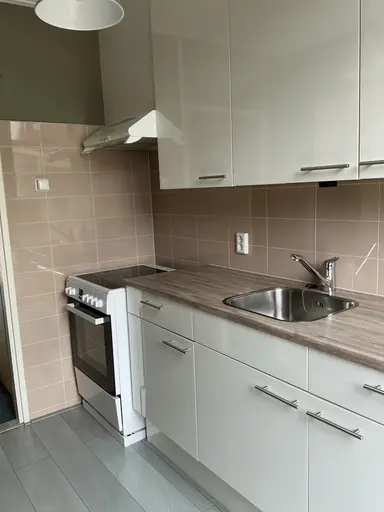
- Apartments: the practical mainstreamApartments are the backbone of Coevorden's rental listings. Imagine unlocking a flat near the Markt on a Tuesday evening, walking to the weekly Wednesday market within three minutes, and paying a rent well below what a comparable unit would cost in Groningen or Enschede. Most apartment stock sits in the center and along the Vecht river corridor, with sizes ranging from compact two-room units to spacious family flats. Prices are genuinely lower than the provincial average, reflecting Drenthe's broader affordability rather than any compromise on quality.
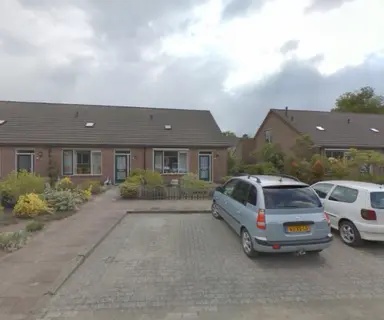
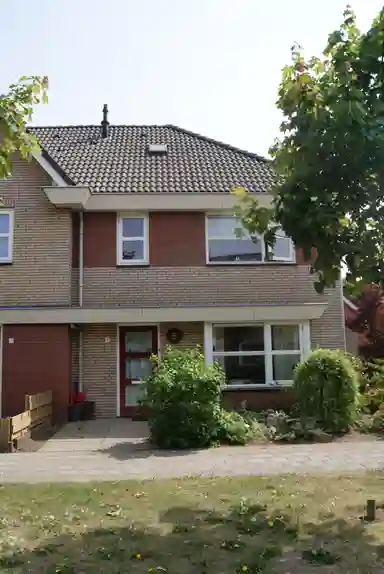
- Houses: family-scale rentals with gardenRental houses in Coevorden typically come with outdoor space, something that in Groningen or Amsterdam would add hundreds to the monthly bill. Imagine a Thursday afternoon: you finish work, cycle back along the Schutsluis to a three-bedroom terraced house in the Loonerstraat neighbourhood, and the kids have a garden. That scenario is realistic here at prices that would feel impossible in most Dutch cities. Supply is limited, so houses do move quickly, but competition is nothing like the frenzy in larger urban markets.
- Rooms and studios: a thin but real segmentRooms and studios exist in Coevorden, but the supply is thin compared to university towns. This segment suits single workers or someone doing a temporary placement at one of the industrial companies near the Europark business zone. Don't expect a deep pool, listings come and go quickly and the window to respond is short. If this is your target, set up alerts and be ready to act fast.
Living in Coevorden: Drenthe at its most practical
Coevorden is not a city that performs for outsiders. It's a working municipality that functions: a central square with a weekly market, a decent supermarket five minutes from most rental addresses, a hospital, and enough local employment to anchor a population of 35,000. The renter base is largely made up of working households and families, not students or young professionals chasing nightlife.
The surrounding Drenthe landscape is part of the deal. Veenpark, the cycling routes along the Vecht valley, and proximity to the Drentsche Aa nature reserve mean that outdoor space is accessible without a car. Drenthe culture values quiet self-sufficiency, and Coevorden reflects that. If you prefer your evenings low-key and your weekends outdoors, the trade-off is obvious.
Saturday market and the Markt square rhythm
Imagine finishing your Saturday morning cycle from an apartment near the Waterlinie museum to the Markt square, where the weekly market fills the cobblestones with local produce, cheese, and hardware stalls. This is the social centre of Coevorden life, not a tourist attraction but an actual weekly ritual for residents. The town centre is compact enough that most rental addresses sit within ten minutes of the Markt on foot, which makes running errands genuinely effortless. The Wednesday market adds a second mid-week opportunity for fresh produce.
Cross-border location, 51% below Groningen's average
Coevorden's position right on the Dutch-German border creates a specific renter profile: cross-border workers employed in Nordhorn, Lingen, or elsewhere in Emsland who need a Dutch base. The price gap with Groningen is striking at roughly 51%, and it's similarly dramatic compared to Enschede and Arnhem further south. For anyone whose employer or work site is within an hour of Coevorden, the savings calculation tips firmly in this town's favour.
Practical tip: register early at the municipality:
Once you sign a rental contract in Coevorden, register your address at the Gemeente Coevorden service desk as soon as possible. Many employers, healthcare providers, and benefit agencies require a valid BRP registration at your Coevorden address. Delays can hold up your DigiD, your zorgverzekering, and anything tied to your BSN. The desk is centrally located near the town hall on Kasteel 1, and appointments can be made online.
Commuting from Coevorden
Coevorden has a train station on the Zwolle–Emmen line, which gives direct access northward toward Groningen (via Emmen or Zwolle) and southward toward the Randstad. The frequency is regional, not urban, so commutes work best for people with fixed schedules rather than flexible ones. The town centre is compact and fully cyclable, so getting to the station from a central rental address takes five minutes by bike at most.
Groningen (~69 min by transit)
Groningen is the nearest large city, roughly 69 minutes by public transit across 80 km. The route typically involves a train connection via Emmen or Zwolle. For a daily commute it's on the long side, but for weekly or hybrid arrangements it's workable. The key trade-off is paying Coevorden rents (around 51% below Groningen's average) while accessing a city with significantly more employer choice, cultural life, and services.
Utrecht and Amsterdam (85–96 min, viable for hybrid workers)
Utrecht sits around 85 minutes away and Amsterdam around 96 minutes by public transit. These are not daily commute times for most people, but for someone working three days a week in the Randstad, a two-night stay arrangement combined with Coevorden-priced housing can make financial sense. Den Haag and Rotterdam are further at 117 and 136 minutes respectively, which puts them firmly in the occasional-trip category rather than a regular commute.
Dal-uren and OV-chipkaart: cut the commute cost:
If you commute from Coevorden to Groningen or Zwolle, check the NS dal-uren (off-peak hours) discount, which gives a 40% reduction on train fares outside the morning and evening rush periods. Trains from Coevorden station early in the morning or after 09:00 often fall within off-peak windows. Combined with a traject-abonnement (fixed-route subscription) if you do the same route regularly, the monthly transport bill drops considerably.
Frequently asked questions about renting in Coevorden
Is the Coevorden rental market competitive?
Coevorden's rental market is modest in size but not flooded with supply. The listing volume is limited compared to larger Drenthe towns, which means good properties do move quickly. That said, competition here is nothing like the overbidding culture in Groningen or the Randstad. Responding within 24 hours and having your documents ready (income proof, ID, employer letter) is usually enough to be taken seriously by a landlord.
How much cheaper is Coevorden compared to Groningen?
Based on listings tracked on RentHunter, Coevorden runs roughly 51% cheaper than Groningen on average, where the average rental sits around €1,687 per month. That gap is substantial and consistent across apartment, house, and studio categories. For a cross-border worker or someone who can work from home several days a week, the monthly saving can comfortably cover transport costs and still leave significant money ahead.
Are rental contracts in Coevorden typically fixed-term or open-ended?
In Coevorden, as across the Netherlands, landlords may offer either short-term contracts (tijdelijke huurcontracten, typically 6–24 months) or open-ended contracts (huurcontract voor onbepaalde tijd). Since the 2024 reforms to Dutch tenancy law, new unlimited short-term contracts are no longer permitted, so any contract that runs beyond 24 months generally transitions into an open-ended one with strong tenant protections. If you're offered a fixed-term contract, confirm in writing what happens at expiry before you sign.
Is Coevorden a good base for working in Germany?
Yes, with caveats. The Dutch-German border is less than 10 km from the town centre, and Nordhorn is reachable in about 25 minutes by car. For roles in the Emsland or Grafschaft Bentheim area, Coevorden can work well as a base. However, note that cross-border workers face specific tax and social insurance rules: you may be taxed in Germany on German-sourced income, and your Dutch healthcare and pension arrangements may need adjusting. Consulting a belastingadviseur experienced in Rijnmond/Emsland cases before signing a lease is worthwhile.