Houses for Rent in Soest, Netherlands

Stop refreshing, get daily matches
Stop refreshing, get daily matches
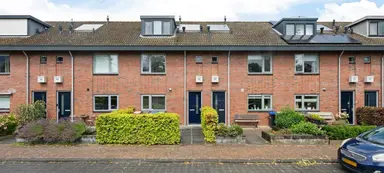
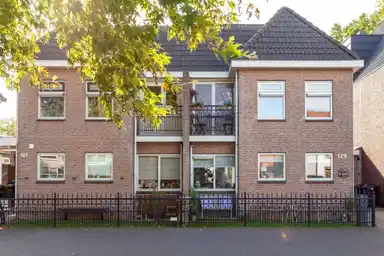
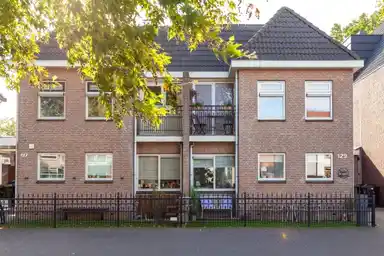
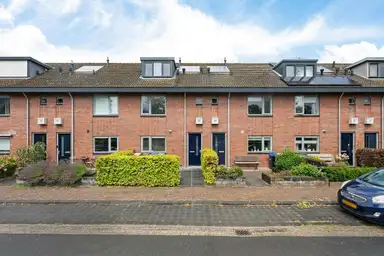
Soest houses: €2,537/month, mostly with gardens
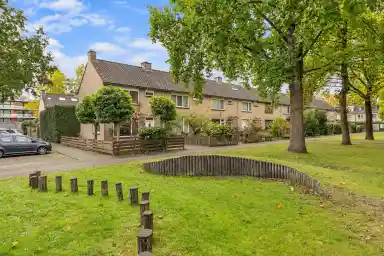
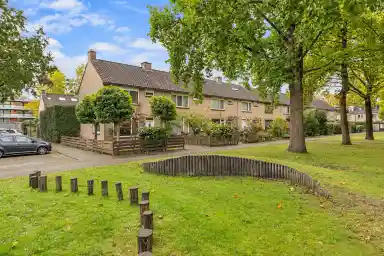
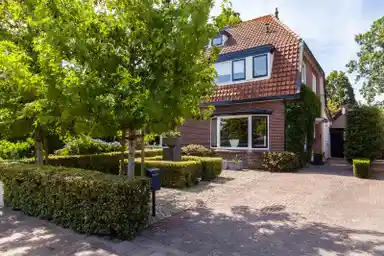
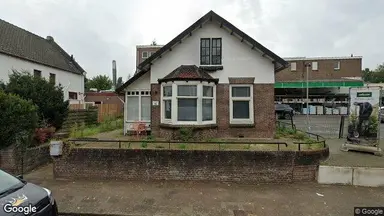
Renting a house in Soest means trading the density of nearby Amersfoort for space, greenery, and a quieter pace inside Utrecht province. Based on over 100 listings tracked in Soest on RentHunter, the average house rents for around €2,537/month, roughly 30% above the Amersfoort average of €1,947. In return, renters get substantially more house: an average of 144 m², and 68% of listings come with a private garden, a rate that reflects Soest's fundamentally suburban character.
What makes the Soest house market stand out is how much of it is move-in practical: 75% of listings allow municipality registration (essential for families settling here long-term), 42% include private parking, and 43% are offered furnished. The range is wide, from around €600/month for compact single-bedroom options up to €5,000/month for the largest detached family homes. Three-bedroom houses dominate supply at an average of €2,579/month, closely followed by four-bedroom homes at €2,558/month. Soest suits renters who prioritize space and liveability over urban buzz, with Utrecht reachable in around 21 minutes by public transit.
House types in Soest: furnished, garden, and short stays
The Soest house market is not uniform. Listings range from compact furnished rentals near the village core to large unfurnished family homes with private driveways deep in the leafy residential streets. Understanding the main sub-types helps you filter quickly and avoid surprises on viewing day.
Furnished houses: 43% of supply, suits expats and short stays
Just over two in five houses in Soest are offered furnished, which is notable for a suburban municipality of this size. These tend to command a price premium and are often targeted at professionals relocating from abroad, though only 7% of listings are explicitly expat-targeted. If you need a furnished house in Utrecht province, Soest is one of the more furnished-heavy options outside the city itself. Furnished rentals usually come on shorter lease terms, which suits assignees on fixed-term contracts.
Gardens (68%) and parking (42%): Soest's outdoor advantage
The outdoor figures for Soest houses are genuinely impressive by Dutch standards. 68% of house listings include a garden, a rate you would rarely find in a comparable Utrecht or Amsterdam suburb. Most are back gardens attached to semi-detached or terraced homes built in the 1960s–1980s, with enough room for a trampoline and a table. Private parking comes with 42% of listings, reflecting the car-friendly layout of Soest's residential streets. For families moving from an apartment, this combination of garden plus parking is often the decisive factor.
Short-term or long-term: know what you're signing:
Furnished houses in Soest often come with a 6–12 month lease that is hard to extend. If you need gemeente registration for yourself or your children's school enrollment, confirm this in writing before signing: 75% of Soest listings allow it, but furnished short-stay rentals are the most likely exception. Always ask explicitly.
Soest neighborhoods for house renters at a glance
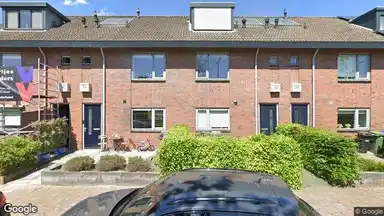
- Soest village center: easy amenities, terraced homesThe area around the center of Soest, near the Soesterberg road and the main shopping street, concentrates most of the smaller terraced family homes. Walking distance to supermarkets, the weekly market on Thursdays, and primary schools makes this a practical base. Houses here tend to be 1960s–1970s builds with modest back gardens and on-street parking rather than private driveways.
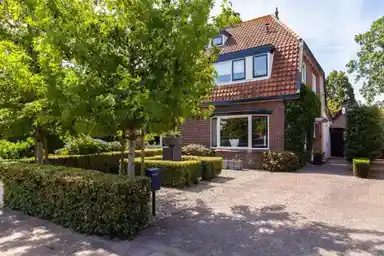
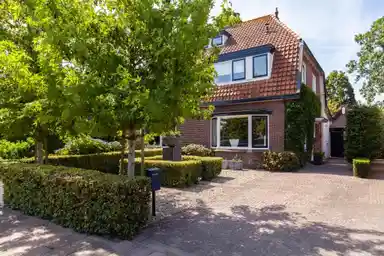
- Soestduinen: detached homes bordering the national parkSoestduinen sits on the edge of the Utrechtse Heuvelrug national park, and houses here reflect that premium location. Expect larger detached or semi-detached properties on generous plots, often with mature garden trees and significantly more privacy than the central terraces. This is the part of Soest where the highest rents cluster, typically from €3,000/month upward. It suits established professionals or families who use the forest trails for daily cycling or running.
- Soest-Zuid: post-war family suburb, primary schools within reachThe southern residential expansion of Soest, built mostly in the 1950s–1960s, offers a dense grid of terraced and semi-detached homes that remain among the most in-demand for families with young children. Several primary schools are scattered throughout, and the neighborhood feeds into the broader cycle infrastructure that connects Soest to Amersfoort. House sizes here are more moderate, typically 100–130 m², which translates to rents that tend to fall below the municipal average.
- Soesterberg: former air base area, spacious and car-dependentSoesterberg is the western sub-village of the municipality, known locally for the former Dutch Air Force base whose terrain has been partially redeveloped into residential plots. Houses here tend to be newer, sometimes dating from the 2000s–2010s, and often come with garages and larger plots. Public transit connections are thinner here, so a car is practical rather than optional. The nearby Nationaal Militair Museum is a landmark the kids will appreciate.
Pricing by bedroom count and what the market actually costs
The bedroom breakdown reveals a relatively flat pricing curve in Soest, which reflects the suburban composition of the stock. One-bedroom houses average €1,830/month (12 listings tracked), rising to €2,424/month for two bedrooms and €2,579/month for three bedrooms. Four-bedroom homes average €2,558/month, essentially the same as three-bedroom, which suggests the extra room often comes in older stock where the premium has compressed. Five-bedroom houses push the average to €2,825/month.
The average deposit sits at 1.45 months of rent, so budget roughly one additional month on top of your first rent payment when calculating your move-in costs. The wide range, €600–€5,000/month, reflects both the diversity of housing types and the presence of outlier luxury properties near the national park. For comparison, houses in Utrecht and houses in Almere offer alternative price points if Soest's average stretches your budget.
Practically speaking: for gemeente registration, bring a valid ID, proof of income (typically 3x the monthly rent, net), and a bank statement. Landlords in suburban municipalities like Soest often also want a copy of your employment contract. If you are self-employed, prepare the last two years of tax returns. Starting with a checklist prepared before your first viewing saves time and signals seriousness to competing renters.
Commuting from Soest
Soest is not directly on a major intercity rail line, which shapes the commuting profile. The nearest train station is Soest or Soestduinen (on the Baarn–Amersfoort branch), connecting you toward Utrecht in around 21 minutes and Amsterdam in roughly 44 minutes by public transit. For most working days, this is comfortable if you are not peak-hour sensitive.
Rotterdamand Den Haag are accessible in around 60 and 66 minutes respectively, which is within a realistic commute window for a family house renter who values space over location. Eindhoven takes approximately 81 minutes, making it a stretch for a daily commute. The car-friendly design of Soest's roads, combined with 42% of houses having private parking, means many residents combine a short drive to the train station with a rail leg into the city. The A28 motorway is close by for car commuters heading toward Utrecht or Amersfoort directly.
FAQ: renting a house in Soest
Why is renting a house in Soest 30% more expensive than Amersfoort?
Several factors drive the premium. Soest has a lower density of rental supply, meaning competition pushes prices up. The proximity to the Utrechtse Heuvelrug national park adds environmental desirability that landlords price in. Houses are also larger on average (144 m²) and more frequently detached or semi-detached than the typical Amersfoort rental house. If the Soest average of €2,537/month is above budget, searching in Amersfoort via RentHunter for nearby alternatives is a practical next step.
How easy is it to find a house with a garden in Soest?
Relatively easy compared to Dutch urban markets. 68% of house listings in Soest include a garden, which means garden access is the norm rather than an upgrade. Most are back gardens of modest size, attached to terraced or semi-detached homes. Larger gardens are more common in Soestduinen and the peripheral residential streets near the forest. If a south-facing garden or a specific garden size is critical, mention it early in your search and bring it up explicitly at viewings.
Is parking included with most rental houses in Soest?
42% of house listings in Soest include private parking (a driveway, garage, or designated spot), which is notably higher than in urban Dutch centers. The remaining 58% rely on public on-street parking, which in most Soest residential streets is free and generally available. Paid parking zones are limited to the core commercial area. If you have more than one car, it is worth confirming explicitly at viewing whether street parking is realistic for your household, particularly in the more densely built Soest-Zuid streets.
Are there pet-friendly houses to rent in Soest?
17% of house listings in Soest are explicitly advertised as pet-friendly, which is a limited but not negligible share. In practice, the suburban character of Soest, with its gardens and quiet residential streets, means many landlords are open to pets on request even when not stated in the listing. A well-behaved dog or cat is often negotiable. Always raise the topic before signing and confirm it in writing in the tenancy agreement. The forest areas around Soestduinen make Soest genuinely practical for dog owners.